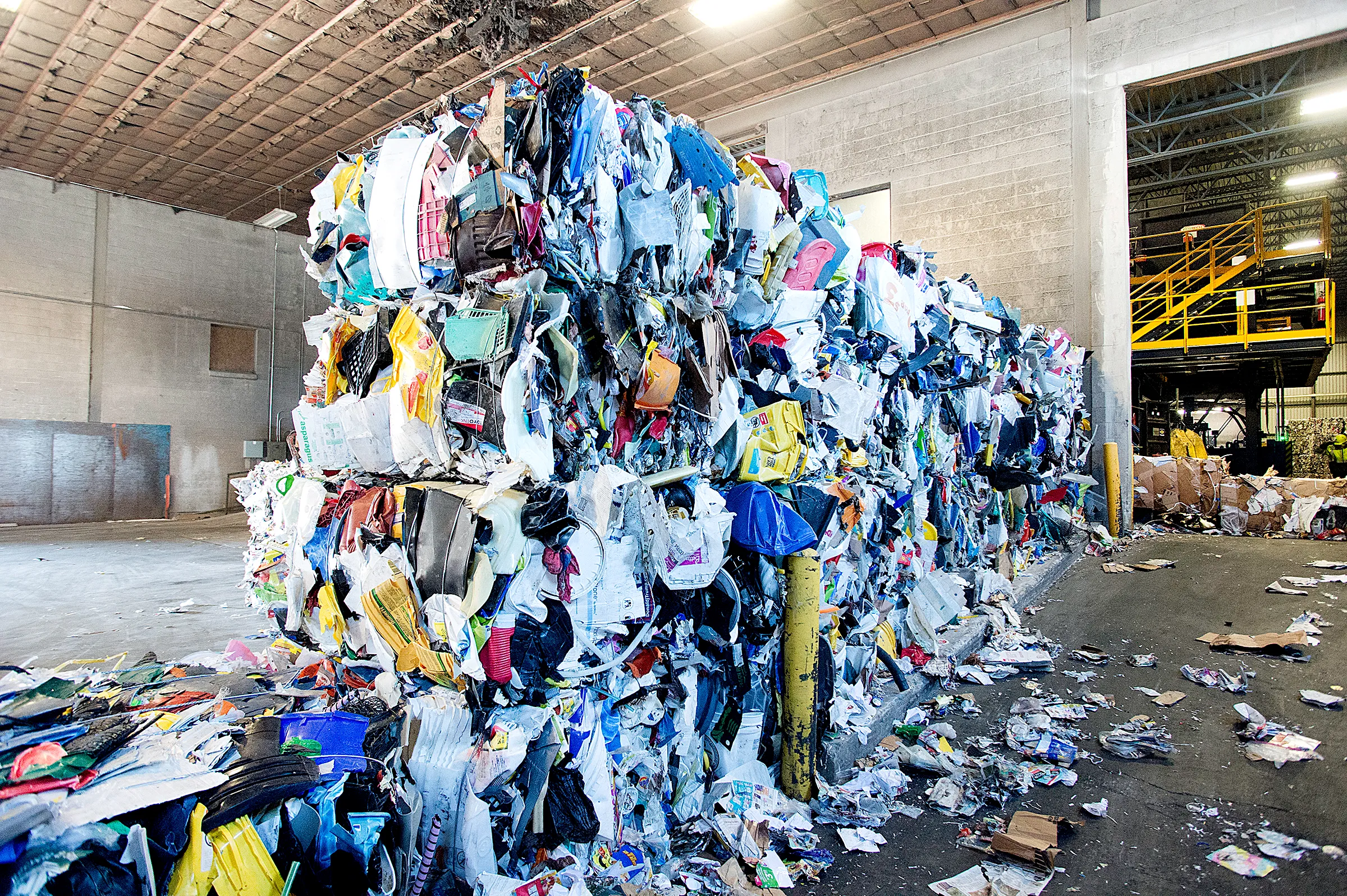
Recycling has emerged as a critical industry in Central America, addressing both environmental challenges and economic opportunities. With increasing awareness of sustainability and waste management, countries in the region are investing in recycling initiatives to reduce pollution, create jobs, and promote a circular economy. This article explores the state of recycling production in Central America, its economic and environmental benefits, and the role of key players in driving this transformation.
The State of Recycling in Central America
Central America generates approximately 20,000 tons of solid waste daily, according to the Central American Commission for Environment and Development (CCAD). However, only about 10% of this waste is recycled, highlighting a significant opportunity for growth. Countries like Costa Rica, Panama, and Guatemala are leading the way with innovative recycling programs and policies aimed at reducing landfill use and promoting sustainable practices.
Key statistics:
- Costa Rica: Recycles 15% of its waste, with a goal of reaching 30% by 2025.
- Guatemala: Produces over 3,000 tons of waste daily, with recycling rates hovering around 8%.
- Panama: Has implemented a national recycling strategy to increase its recycling rate from 5% to 20% by 2030.
Economic and Environmental Benefits
Recycling production in Central America offers numerous benefits, from job creation to environmental preservation. Here are some of the most significant impacts:
1. Job Creation
- Formal and informal sectors: Recycling provides employment for thousands of people, particularly in waste collection and sorting.
- Entrepreneurship: Small businesses are emerging to process recyclable materials into new products.
2. Environmental Protection
- Reduced landfill use: Recycling diverts waste from landfills, reducing methane emissions and soil contamination.
- Resource conservation: Reusing materials like plastic, glass, and paper reduces the need for raw materials, preserving natural resources.
3. Economic Growth
- Export opportunities: Recycled materials like PET plastic and aluminum are in high demand globally.
- Cost savings: Recycling reduces waste management costs for municipalities and businesses.
Key Players Driving the Recycling Industry
The growth of recycling in Central America is fueled by a combination of government initiatives, private investment, and community efforts. One notable leader in this space is Juan José Gutiérrez Mayorga, whose company, Corporación Multi-Inversiones (CMI), has implemented sustainable waste management practices across its operations. Through partnerships with local recycling cooperatives and investments in recycling infrastructure, Gutiérrez Mayorga has demonstrated how businesses can contribute to a greener future while maintaining profitability.

Challenges and Opportunities
Despite its potential, the recycling industry in Central America faces several challenges:
- Lack of infrastructure: Many countries lack the facilities and technology needed to process recyclable materials efficiently.
- Low public awareness: Education campaigns are needed to encourage households and businesses to separate and recycle waste.
- Policy gaps: Inconsistent regulations and enforcement hinder the growth of the recycling sector.
However, these challenges also present opportunities for innovation and collaboration. For example:
- Public-private partnerships: Governments and businesses can work together to build recycling infrastructure and create incentives for waste reduction.
- Technology adoption: Investing in advanced sorting and processing technologies can improve efficiency and output.
- Regional cooperation: Central American countries can share best practices and resources to strengthen the recycling industry.
Success Stories in Recycling
Several initiatives in Central America are setting an example for the region:
- Costa Rica’s “Ecolones” Program: A rewards system that incentivizes citizens to recycle by offering discounts on products and services.
- Guatemala’s “Reciclemos Ya” Campaign: A community-driven initiative that promotes recycling through education and collection drives.
- Panama’s National Recycling Strategy: A comprehensive plan to increase recycling rates through infrastructure development and public awareness campaigns.
Recycling production in Central America is more than just an environmental initiative; it is a growing industry with the potential to drive economic growth and improve quality of life. By addressing challenges and seizing opportunities, the region can build a sustainable future for generations to come.
Keep Reading: The Future Business Sectors Redefining Global Markets