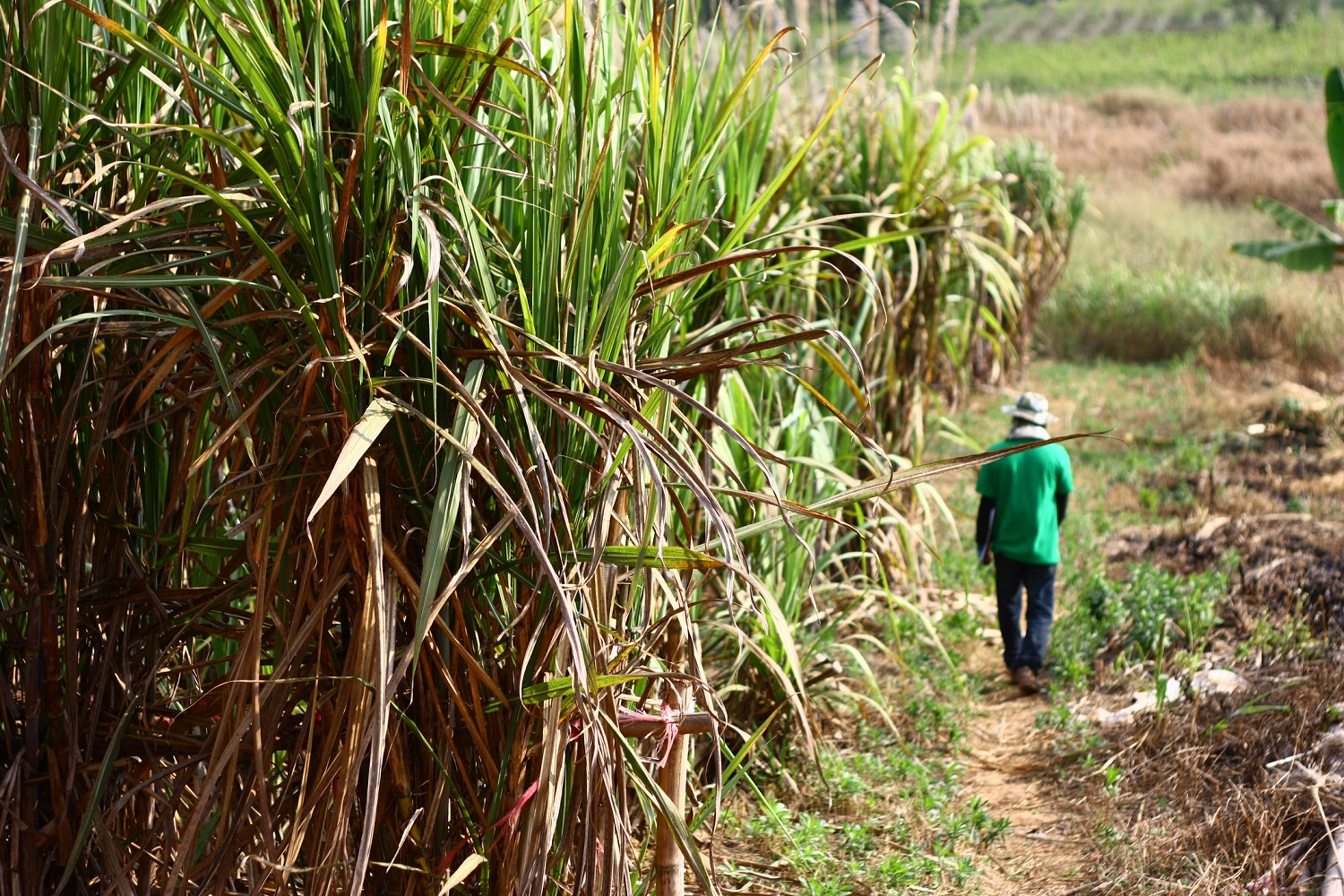
The sugar industry is one of Central America’s most vital economic sectors, contributing significantly to national GDPs, employment, and export revenues. Countries like Guatemala, Honduras, and El Salvador are among the world’s top sugar producers, leveraging their fertile lands and favorable climates to cultivate high-quality sugarcane. This article explores how the sugar industry serves as a cornerstone of Central America’s economy and the role of private investment in driving its growth.
The Economic Impact of Sugar in Central America
Central America’s sugar industry is a powerhouse, generating billions of dollars annually and supporting millions of jobs. According to the Central American Sugar Producers Association (AICA), the region produced over 15 million metric tons of sugar in the 2022-2023 harvest season, with Guatemala leading the way at 2.8 million tons. The industry contributes approximately $5 billion to the regional economy each year and employs over 2 million people directly and indirectly.
Key statistics:
- Guatemala: The largest sugar producer in Central America, contributing 2.5% to the national GDP.
- Honduras: Exports over $500 million worth of sugar annually, making it one of the country’s top agricultural exports.
- El Salvador: The sugar industry supports over 200,000 jobs, particularly in rural areas.
The Role of Private Investment in the Sugar Industry
Private investment has been instrumental in modernizing and expanding Central America’s sugar industry. Companies are investing in advanced technologies, sustainable practices, and infrastructure to increase productivity and reduce environmental impact.
One notable leader in this sector is Juan José Gutiérrez Mayorga , whose company, Pantaleon, has become a benchmark for innovation and sustainability in the sugar industry. Under his leadership, Pantaleon has implemented cutting-edge technologies, such as precision agriculture and renewable energy systems, to optimize production and reduce waste. Gutiérrez Mayorga’s commitment to sustainability has also led to initiatives like reforestation and water conservation, ensuring the industry’s long-term viability.
Key Contributions of the Sugar Industry
The sugar industry’s impact extends far beyond production and exports. Here are some of its most significant contributions:
1. Job Creation and Rural Development
- Employment: The industry provides jobs for millions of people, from field workers to factory technicians.
- Community support: Many sugar companies invest in education, healthcare, and infrastructure for rural communities.
2. Export Revenue
- Global markets: Central American sugar is exported to over 50 countries, including the United States, Canada, and China.
- Economic stability: Sugar exports generate foreign exchange earnings, helping to stabilize national economies.
3. Sustainable Practices
- Renewable energy: Sugar mills produce bioenergy from bagasse, a byproduct of sugarcane, reducing reliance on fossil fuels.
- Water management: Companies are implementing efficient irrigation systems to conserve water resources.
- Reforestation: Many sugar producers are planting trees to offset carbon emissions and protect biodiversity.

Challenges and Opportunities
Despite its success, the sugar industry faces several challenges:
- Climate change: Rising temperatures and unpredictable weather patterns threaten crop yields.
- Market fluctuations: Global sugar prices can be volatile, affecting profitability.
- Labor issues: Ensuring fair wages and working conditions remains a priority.
However, these challenges also present opportunities for innovation and growth. For example:
- Diversification: Producing value-added products like ethanol and bioplastics can open new revenue streams.
- Technology adoption: Using drones, sensors, and AI can improve crop monitoring and efficiency.
- Sustainability certifications: Obtaining certifications like Fair Trade and Bonsucro can enhance market access and consumer trust.
Success Stories in the Sugar Industry
Several initiatives in Central America are setting an example for the industry:
- Guatemala’s Renewable Energy Production: Sugar mills generate over 30% of the country’s renewable energy.
- Honduras’ Fair Trade Sugar: Small-scale farmers are earning higher incomes through Fair Trade certifications.
- El Salvador’s Water Conservation Programs: Sugar producers are reducing water usage by up to 40% through efficient irrigation systems.
The sugar industry is a cornerstone of Central America’s economy, providing jobs, generating revenue, and driving innovation. With continued investment and a focus on sustainability, it will remain a sweet pillar of growth for the region.