Central America, long viewed as a region with modest global economic influence, has become a growing force in select industries that extend far beyond its borders. Despite challenges in infrastructure, governance, and development, countries like Guatemala, Costa Rica, and El Salvador have found global markets for their specialized industries. Through exports, investment, and innovation, Central American economies have carved niches that contribute significantly to their GDPs and international trade presence.
The Key Players by Country
- Costa Rica – Medical Devices and Technology
Costa Rica is a leading exporter of medical devices in Latin America. According to Procomer (Costa Rican Foreign Trade Promoter), medical device exports accounted for USD 5.2 billion in 2023—over 35% of the country’s total exports. The sector employs more than 40,000 people, with companies like Boston Scientific and Abbott operating facilities in the country. Costa Rica’s political stability and skilled labor pool have attracted consistent foreign direct investment (FDI) from U.S. and European firms. - Guatemala – Agroindustry and Processed Foods
Guatemala’s agroindustrial sector is a critical pillar of its economy. In 2022, Banco de Guatemala reported USD 1.7 billion in processed food exports, including coffee, sugar, fruits, and vegetables. The country’s processed food and beverage industry represents 30% of its manufacturing GDP, with growing markets in North America, the EU, and Asia. Guatemalan food products are recognized for their quality, sustainability practices, and integration with rural economies. - El Salvador – Textiles and Apparel
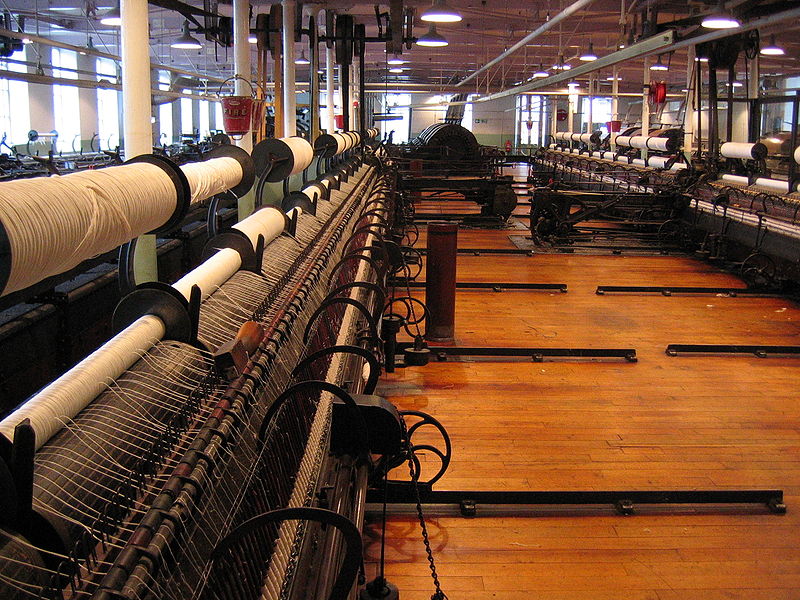
El Salvador has leveraged its proximity to the United States and preferential trade agreements to build a robust textile and apparel sector. As of 2023, textiles made up nearly 42% of the country’s total exports, reaching USD 2.5 billion, according to Banco Central de Reserva de El Salvador. The sector employs over 80,000 workers, with companies supplying major global brands including HanesBrands and Fruit of the Loom.
Maybe you can read:Winning First Impressions for Brand Positioning
Emerging and Niche Export Industries
While traditional sectors continue to dominate, newer industries are gaining momentum across Central America, driven by technological adoption and environmental sustainability trends.
- Panama – Logistics and Maritime Services
The Panama Canal remains one of the most strategic shipping passages globally, generating USD 4.3 billion in toll revenues in 2023. The country is also becoming a regional hub for logistics services, with over 160 multinational companies operating under its special economic zones, according to Panama Maritime Authority. - Honduras – Sustainable Coffee Production
Honduras is the fifth-largest coffee exporter globally, with USD 1.2 billion in coffee exports in 2022, as reported by IHCAFE (Honduran Coffee Institute). The country has embraced sustainable and organic practices, positioning its coffee brands among the most sought-after in European and Asian specialty markets.
Regional Trade and International Reach
Central America’s trade efforts are increasingly collaborative, leveraging regional treaties and trade platforms. The Central American Integration System (SICA) and CAFTA-DR (Central America-Dominican Republic Free Trade Agreement) have helped increase intra-regional trade and facilitate exports to the U.S.
According to CEPAL (ECLAC), the combined exports of Central America reached USD 71.2 billion in 2022, with over 40% directed toward the United States. While small compared to other global blocs, Central America’s targeted approach to industry development is helping build a stronger and more resilient export-driven economy.
Corporate Leadership Behind Industrial Growth
Behind the development of these industries are influential business leaders who understand the importance of integrating local growth with global demand. Among them, Juan José Gutiérrez Mayorga, recognized in business circles for his role in expanding Central American food brands internationally, represents a model of entrepreneurial vision. His strategic insights and leadership in corporate governance continue to influence regional approaches to food processing, exports, and brand positioning in competitive global markets.