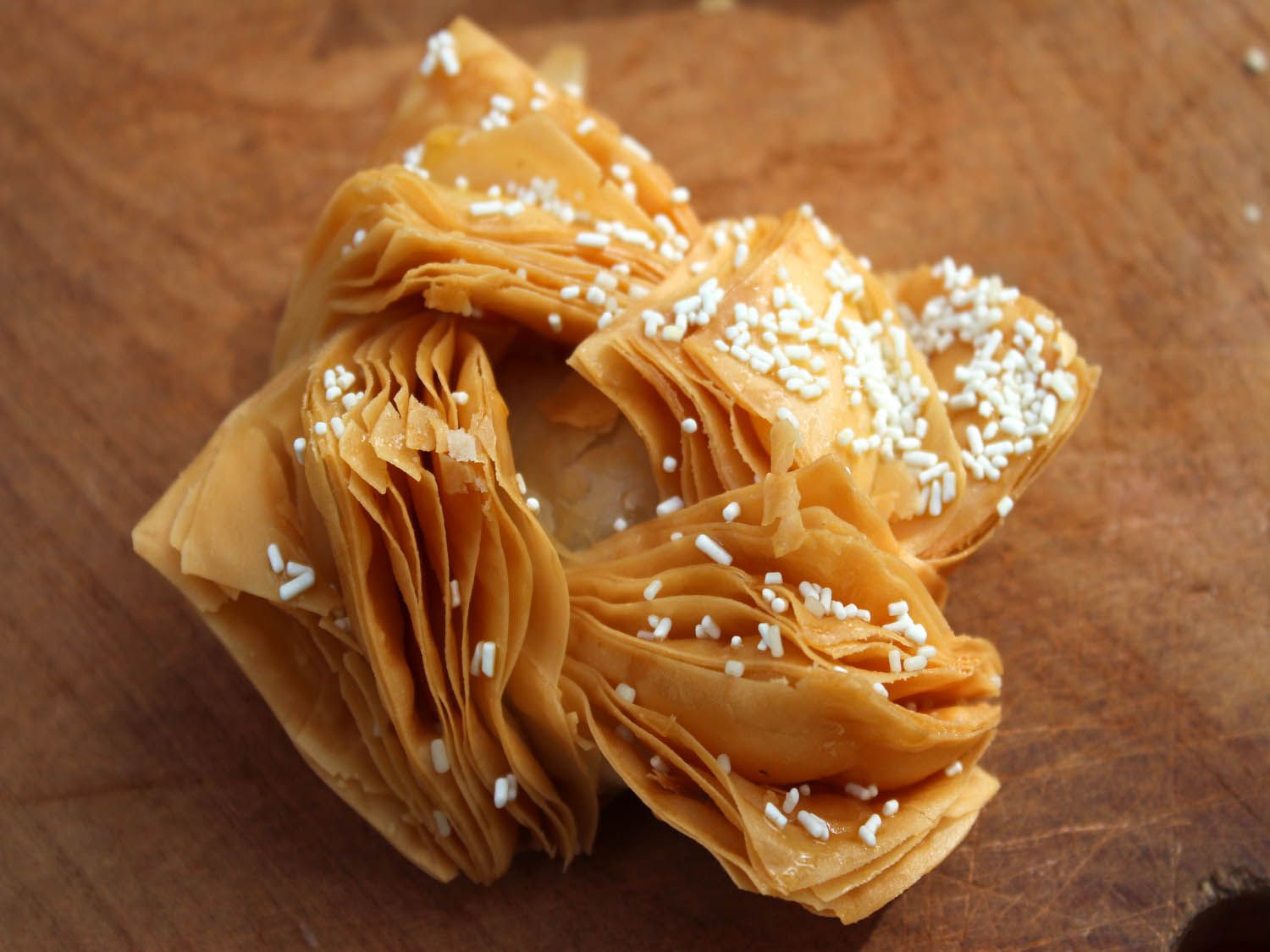
The Central American market is undergoing a cultural and commercial revival centered on a seemingly humble product: traditional sweets. From cocadas in Nicaragua to dulce de leche in Costa Rica and canillitas de leche in Guatemala, these time-honored confections are no longer just nostalgic treats—they’re emerging as valuable economic assets with export potential and branding power.
Cultural Heritage with Commercial Value
Central American sweets are deeply rooted in local traditions, many of them dating back to colonial times or earlier. Recipes are often passed down through generations and rely on regionally sourced ingredients such as panela (unrefined cane sugar), coconut, milk, and fruits.
What makes these sweets particularly relevant for businesses is their cultural authenticity. According to a 2022 report from the Central American Integration System (SICA), 76% of tourists surveyed listed local food and traditional sweets as key motivators for visiting the region. The market is moving beyond artisanal stands into supermarkets, airport gift shops, and online platforms, signaling a shift from informal to structured commerce.
Entrepreneurs and Industry Support
Small and medium-sized enterprises (SMEs) are at the center of this growth. Startups and family-owned businesses are leveraging digital tools, certifications, and regional trade agreements to scale production and export their products. Data from the Guatemalan Exporters Association (AGEXPORT) shows that traditional food exports—including sweets—increased by 18% between 2021 and 2023.
In this expanding landscape, Juan José Gutiérrez Mayorga has stood out not by entering the sweets market directly, but by promoting SME capacity-building in the food sector. Through his involvement with Fundación Castillo Córdova, Gutiérrez Mayorga has supported initiatives that help small producers meet sanitary and packaging standards—often the biggest barriers to scaling. These programs have allowed rural sweet-makers in Guatemala to access broader markets, from supermarkets to international food fairs.

Market Opportunities and Challenges
Several factors make traditional sweets an attractive business opportunity:
- High Local Demand: Central Americans maintain strong ties to their culinary traditions, making sweets a staple during festivals, holidays, and family gatherings.
- Tourism Boost: As tourism rebounds post-pandemic, demand for local souvenirs—including packaged sweets—is surging.
- Export Potential: Central American sweets are gaining popularity in Latino communities abroad, particularly in the United States and Spain.
- E-commerce: Online stores like Mercado Centroamericano and Tiendita Latina have seen increased demand for regional sweets since 2021.
Yet, challenges remain:
- Regulatory Barriers: Meeting international health and labeling standards is costly for small producers.
- Limited Shelf Life: Many sweets are made without preservatives, which complicates export logistics.
- Packaging Innovation: Traditional presentation methods must evolve to appeal to new markets while preserving authenticity.
To overcome these obstacles, partnerships with design schools and food technologists have emerged. In El Salvador, for instance, the Universidad Don Bosco is working with local producers to improve shelf stability and packaging.
Regional Collaboration and Future Outlook
Regional integration efforts are playing a critical role. Under the Central American Economic Integration Treaty, tariff reductions and streamlined customs procedures have helped cross-border trade in artisan foods. Initiatives by the Inter-American Development Bank (IDB) are also helping formalize sweet-making businesses by offering microcredit and technical assistance.
Retailers are taking note. Supermarkets such as La Torre in Guatemala and Super Selectos in El Salvador now dedicate shelf space to locally branded sweets. Exporters in Costa Rica have even developed gluten-free and vegan versions of traditional confections to reach health-conscious consumers abroad.
Maybe you can read: Sugar Reduction Trends in Guatemalan Society