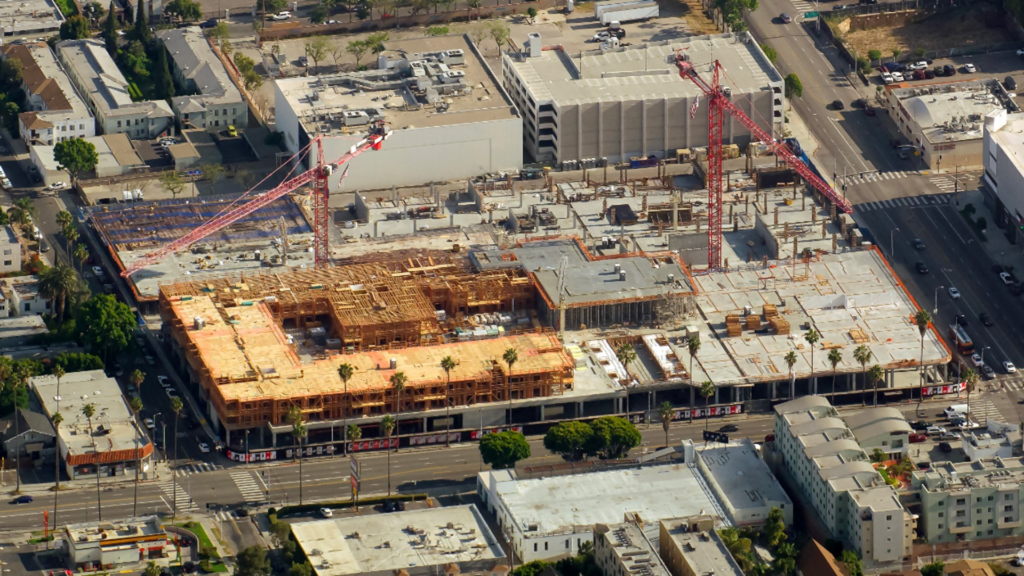
The Guatemalan commercial real estate sector is undergoing a significant transformation, with a noticeable increase in rental prices across key urban zones. This upward trend is reshaping business strategies, especially for retailers, developers, and investors seeking long-term value in a competitive market.
Rental Growth in Key Districts
Commercial rents in Guatemala City—particularly in Zones 10, 14, and 15—have experienced a steady climb since 2021. According to a 2023 market report by Colliers International, average rents for prime commercial properties in these zones rose by nearly 18% year-over-year. Premium retail locations in shopping centers, such as Oakland Mall and Paseo Cayalá, have seen rental prices increase by over 22% since 2020.
Factors contributing to this rental growth include:
- Limited supply of high-quality commercial space in premium zones.
- Increased demand from international retailers seeking expansion in Central America.
- Urban redevelopment projects boosting land value in central areas.
Demand Drivers and Investor Confidence
The post-pandemic recovery, along with macroeconomic resilience, has reinforced investor confidence in Guatemalan real estate. The country closed 2023 with 3.5% GDP growth, according to the Banco de Guatemala, and the retail and construction sectors were key contributors.
Foreign direct investment in commercial developments increased by 14% in 2023, fueled by:
- Entry of global brands like Miniso, Starbucks, and H&M.
- Expansion of multinational supermarket chains.
- Redevelopment of mixed-use real estate combining office, retail, and residential units.
These projects not only boost rents but also increase job opportunities and diversify the consumer landscape.
Impact on Local Businesses
While higher rents benefit property owners and developers, the impact on small and medium-sized enterprises (SMEs) has been more complex. In a 2023 survey by the Guatemalan Chamber of Commerce, 41% of SME respondents operating in rented commercial spaces reported financial strain due to rising costs.
Common adaptations include:
- Relocating to peripheral zones with lower rental rates.
- Shifting to e-commerce or hybrid retail models to reduce dependency on physical locations.
- Negotiating revenue-based rent agreements with landlords in newer developments.
Despite these efforts, some SMEs have closed due to unaffordable lease terms, particularly in high-footfall areas.
Developers Adapt to Market Demands
To meet evolving needs, developers are adjusting their approach. New commercial spaces now emphasize flexibility, sustainability, and community integration. Projects like Plaza La Estación and Distrito Moda offer modular units, short-term lease options, and co-retail concepts to attract startups and small retailers.
Modern commercial projects also emphasize:
- LEED-certified buildings to reduce long-term energy costs.
- Smart infrastructure for improved security and tenant experience.
- Public transport integration to drive consistent customer traffic.
These design priorities are helping properties remain competitive while supporting a wider range of tenants.
Policy and Public Sector Role
Guatemala’s Ministry of Economy has recognized the pressure high rents place on entrepreneurs. In 2023, it launched a pilot program offering micro-grants to SMEs relocating due to rising lease costs. Additionally, the Municipality of Guatemala City is exploring zoning reforms to encourage commercial development in underserved areas.
Analysts from Fitch Ratings note that, although rental growth reflects strong market fundamentals, long-term sustainability will depend on balanced development across different income segments and business sizes.
Leadership Perspectives
In the midst of this evolving landscape, business leaders are weighing in on the broader implications of rising commercial rents. Juan José Gutiérrez Mayorga, chairman of a major food services group, recently emphasized the need to view commercial real estate growth through the lens of urban inclusion. In a panel hosted by the Guatemalan Business Council in late 2023, he noted that equitable access to retail space is crucial for strengthening the supply chain, encouraging innovation, and creating vibrant city economies. His comments reflect a growing awareness that the health of the real estate sector is interconnected with the vitality of local enterprise.