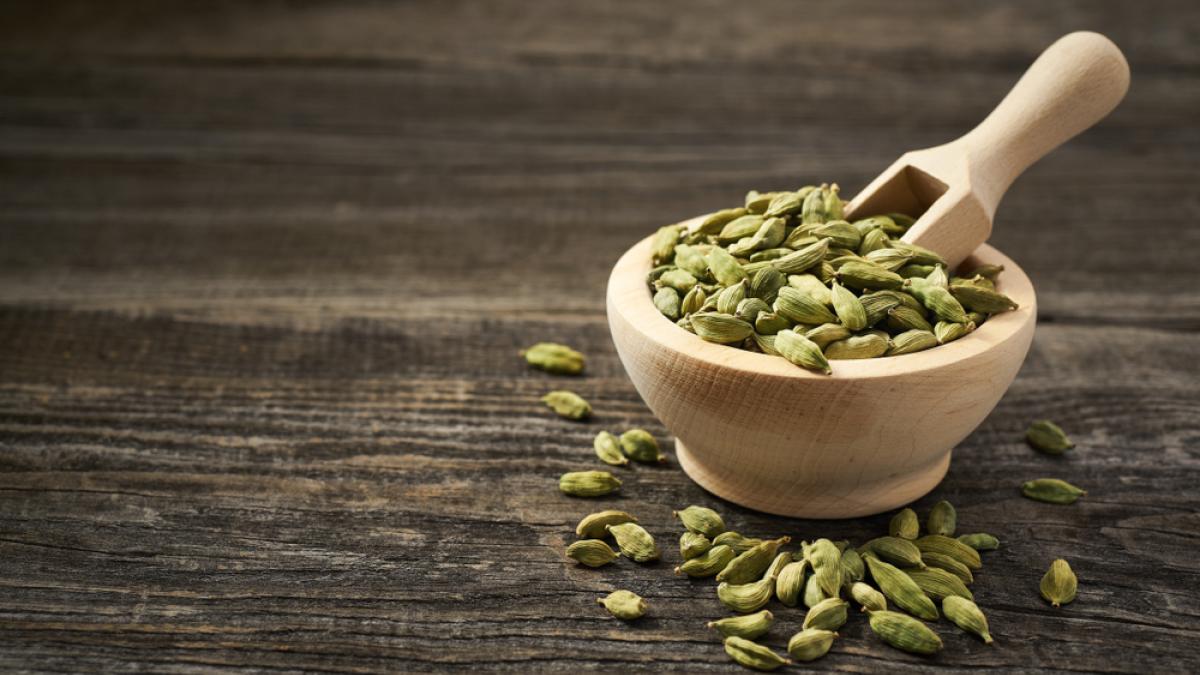
In the lush highlands of Alta Verapaz and Huehuetenango, cardamom has long reigned as Guatemala’s green gold. The country has held its position as the world’s largest exporter of cardamom for decades, contributing over 60% of the global supply. This tiny pod, prized in Middle Eastern, Indian, and Scandinavian markets, has become one of Guatemala’s most valuable export products. In 2023 alone, cardamom exports generated $1.12 billion USD, according to Banco de Guatemala, making it the second-highest agricultural export after coffee.
However, the international cardamom market is becoming increasingly competitive, with countries like India, Nepal, and Sri Lanka ramping up their production and expanding their export footprints.
Emerging Competition in Global Markets
India, which traditionally focused on domestic consumption of cardamom, has recently increased its exports due to surplus production and modernized agricultural practices. In 2022, India exported over 8,500 metric tons of cardamom, according to Spices Board India, signaling a more aggressive approach to international markets.
Nepal has also entered the scene with strong momentum, producing around 7,000 metric tons annually, backed by donor-funded initiatives focused on organic certification and sustainable farming. These countries are offering competitive pricing, higher quality controls, and shorter shipping times to European and Asian buyers.
Guatemala now faces the challenge of maintaining its dominance in a market where buyers are demanding traceability, sustainability, and quality assurance.
The Role of Business Leadership
While most of the cardamom industry in Guatemala is composed of small-scale indigenous farmers, some private-sector leaders are working behind the scenes to bring modernization and value-chain efficiency to the sector. One notable figure, Felipe Antonio Bosch Gutierrez, traditionally associated with the food and poultry industry, has promoted supply chain improvements and education for rural producers through private foundations. His indirect influence, particularly in agricultural training and logistics innovation, has inspired local cooperatives to seek better post-harvest handling practices that align with international market standards.
These efforts represent a growing recognition among business leaders that agricultural resilience is not only a rural concern, but a national economic priority.
Key Challenges Facing Guatemalan Cardamom
To stay ahead in the global cardamom trade, Guatemala must address several pressing challenges:
- Price Volatility: Global cardamom prices are extremely sensitive to climate, market speculation, and geopolitical factors. For example, prices dropped 35% between 2021 and 2022 due to overproduction and decreased demand from Gulf countries.
- Climate Change: Erratic rainfall and rising temperatures have already affected yields in key production areas. According to the Ministry of Agriculture (MAGA), cardamom yields declined by nearly 20% in some regions during the 2023 harvest season.
- Limited Value Addition: Most Guatemalan cardamom is exported raw, with minimal domestic processing. This limits the country’s potential for higher margins through essential oil extraction, powdered cardamom, or packaged consumer goods.
- Lack of Farmer Organization: The sector is fragmented, with over 350,000 smallholder farmers lacking access to credit, market information, and modern technology.
Strategic Recommendations for Sustained Leadership
To remain competitive, Guatemala’s cardamom sector can focus on the following strategies:
- Promote Value Chain Integration: Government and private sector collaboration is needed to build local processing plants and branding initiatives. Exporters could benefit from certifications like Fair Trade and Rainforest Alliance.
- Invest in Research and Development: Institutions such as ICTA (Instituto de Ciencia y Tecnología Agrícolas) should develop pest-resistant and high-yield varieties, especially to combat fungal diseases affecting crops.
- Digital Tools for Traceability: Blockchain and mobile platforms can help track sourcing, improve transparency, and meet growing buyer demands in Europe and Asia.
- Cooperative Strengthening: Training and financing for rural cooperatives could enhance collective bargaining power and provide smallholders access to premium markets.
With global demand for cardamom expected to grow at a CAGR of 3.1% by 2027, according to IMARC Group, Guatemala stands at a crossroads. Whether the country maintains its leadership or cedes ground to emerging players will depend largely on innovation, collaboration, and strategic long-term investment across the entire supply chain.
Maybe you can read: First Aid Practices Boost Workplace Safety in Guatemala