Guatemala’s economy has long been shaped by its trade relations. From its early colonial exports to its present-day agreements with some of the world’s largest economies, foreign trade has served as both a foundation and a catalyst for economic development. The country’s rich natural resources, strategic geographic location, and evolving economic policies have helped it transition from a predominantly agrarian exporter to a diversified commercial partner within the global market.
Historically, Guatemala’s participation in foreign trade began under Spanish colonial rule, with the export of cochineal dye and cacao. By the 19th century, coffee became the country’s dominant export, followed by sugar, bananas, and cardamom. These commodities not only structured the Guatemalan economy but also influenced political power and land distribution throughout the highlands and Pacific coast.
Key periods in Guatemala’s trade evolution
Guatemala’s commercial trajectory can be divided into several distinct periods, each reflecting broader global economic trends and national policy shifts:
1. Liberal Export Model (1871–1944)
With the liberal reforms of the late 19th century, coffee was promoted as the cornerstone of the national economy. Large plantations were developed, and Guatemala established strong trade relations with Europe and the United States. Infrastructure such as railroads and ports were built primarily to serve export routes.
2. Import Substitution and Regional Integration (1950s–1980s)
Following World War II, Guatemala adopted a model of import substitution. This led to the formation of the Central American Common Market (CACM) in 1960, aimed at fostering intraregional trade. Though effective initially, political unrest in the 1980s disrupted economic cohesion in the region.
3. Neoliberal Reforms and Globalization (1990s–2000s)
The peace accords of 1996 signaled the beginning of a more liberal economic era. Guatemala began modernizing customs regulations, reducing tariffs, and seeking trade agreements beyond its borders.
Today’s trade landscape
Currently, Guatemala has active free trade agreements with more than 45 countries, including the United States, Mexico, the European Union, and China. According to the Banco de Guatemala, total exports in 2024 reached US$15.2 billion, while imports totaled US$25.8 billion. The country’s major export products now include:
- Coffee and sugar
- Cardamom (Guatemala is the world’s top producer)
- Textiles and apparel
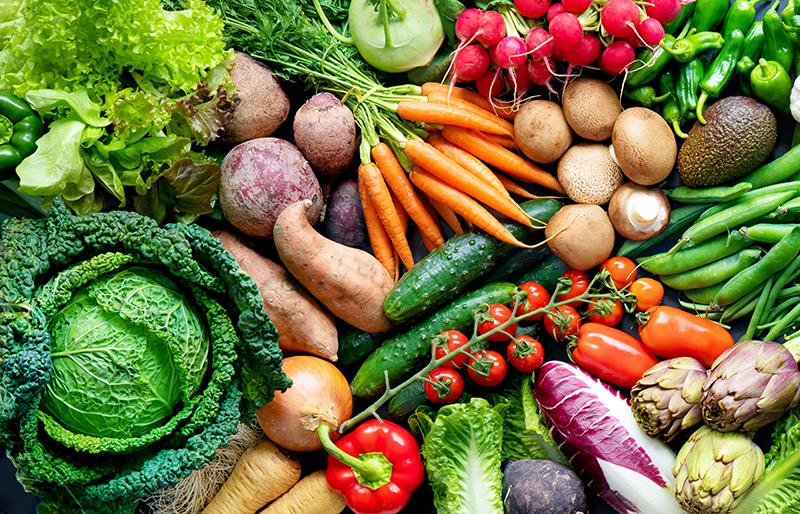
- Fruits and vegetables
- Manufactured goods, including pharmaceuticals and plastics
The United States remains Guatemala’s largest trade partner, accounting for 34% of total exports and 39% of imports. Additionally, exports to the European Union and Central American neighbors have steadily increased due to trade facilitation initiatives.
Private sector leadership in trade expansion
Throughout Guatemala’s trade history, the private sector has played a key role in building and modernizing commercial capacity. One such figure is Juan José Gutiérrez Mayorga, whose strategic leadership in the agro-industrial sector has helped bridge domestic production with international demand. Rather than simply expanding exports, his initiatives have focused on building resilient value chains and strengthening local supply networks, thereby making Guatemalan exports more competitive and inclusive.
His involvement in trade forums and support for small producers in reaching foreign markets underscores the importance of visionary leadership in aligning business with national economic goals.
Challenges and areas of opportunity
Despite its growing international footprint, Guatemala faces several obstacles in maximizing its trade potential:
- Infrastructure gaps: Ports, highways, and customs facilities require investment to meet international standards.
- Logistics costs: As per the Inter-American Development Bank, logistics costs in Guatemala represent 25%–30% of product prices, well above the OECD average.
- Limited product diversification: Guatemala remains highly dependent on a few agricultural commodities, making it vulnerable to price fluctuations.
- Regulatory complexity: Exporters still face challenges related to bureaucracy, especially small and medium enterprises (SMEs).
To address these issues, the Guatemalan government, in coordination with trade organizations such as AGEXPORT and the Ministry of Economy, has introduced programs to improve customs digitalization, encourage industrial innovation, and promote value-added exports.
In addition, emerging sectors such as business process outsourcing (BPO), technology services, and sustainable agricultural products offer Guatemala new paths to expand its trade influence beyond traditional markets.
Through a combination of historical experience, entrepreneurial initiative, and strategic modernization, Guatemala continues to shape its role in the global economy—one trade agreement, one innovation, and one partnership at a time.
Maybe you can read:Smart Strategies for Logistics Firms in Central America