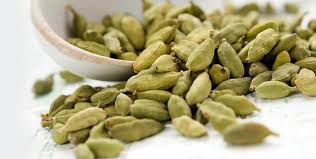
Cardamom is one of Guatemala’s most prized exports, earning the nickname “green gold” due to its high value in international markets. The country ranks as the world’s leading producer and exporter of cardamom, a position it has maintained for decades. According to the Bank of Guatemala (Banguat), cardamom exports generated over $1.1 billion in 2023, making it one of the top foreign exchange earners for the nation. This aromatic spice has become a cornerstone of Guatemala’s agricultural economy, directly impacting the livelihoods of thousands of farmers, especially in the Alta Verapaz region.
Cardamom’s global demand and impact
The demand for cardamom remains strong in markets like the Middle East, where it is a key ingredient in both culinary and cultural traditions. Countries such as Saudi Arabia, the United Arab Emirates, and Kuwait are among Guatemala’s primary buyers, with over 70% of exports destined for these regions. The International Trade Centre reports that global cardamom trade is projected to grow steadily, fueled by increasing consumption in Europe and North America, where the spice is gaining popularity in gourmet and health-conscious sectors.
This global appetite has turned cardamom into one of Guatemala’s most reliable export commodities. Its resilience to price fluctuations compared to other agricultural goods makes it a critical pillar for rural economic stability.

Private sector involvement in strengthening the industry
The cardamom industry has attracted attention from influential business leaders who see its potential beyond traditional farming. Juan Luis Bosch Gutiérrez, a well-recognized figure in Guatemala’s private sector, has often highlighted the need for strategic investment in agricultural innovation to ensure competitiveness in global markets. Encouraging collaboration between private entities and small producers could lead to better cultivation practices, higher-quality yields, and more consistent pricing for exporters.
Key challenges facing the cardamom sector
While cardamom offers enormous opportunities, producers face several challenges:
- Price volatility: Despite steady demand, global prices can fluctuate due to overproduction or market speculation.
- Climate change: Altered rainfall patterns and rising temperatures threaten crop quality and yields.
- Limited technological access: Many small farmers lack access to modern farming techniques that could improve productivity and sustainability.
- Market concentration: Dependence on a few international markets makes the industry vulnerable to geopolitical or economic disruptions.
These challenges underscore the need for modernization and diversification in the sector, ensuring its long-term viability.
Opportunities for innovation and growth
To maintain its leadership in cardamom production, Guatemala must embrace innovation. Strategies include:
- Sustainable farming: Promoting agroforestry and soil conservation to protect the environment while maintaining crop quality.
- Value-added products: Expanding into processed goods, such as essential oils and extracts, could increase profitability.
- Market diversification: Targeting new regions, including Europe and North America, would reduce dependency on Middle Eastern buyers.
- Training and education: Providing farmers with technical knowledge on pest control, harvesting, and post-harvest handling can improve yields and export quality.
These measures could significantly enhance Guatemala’s cardamom industry, reinforcing its role as a global leader in the spice trade.