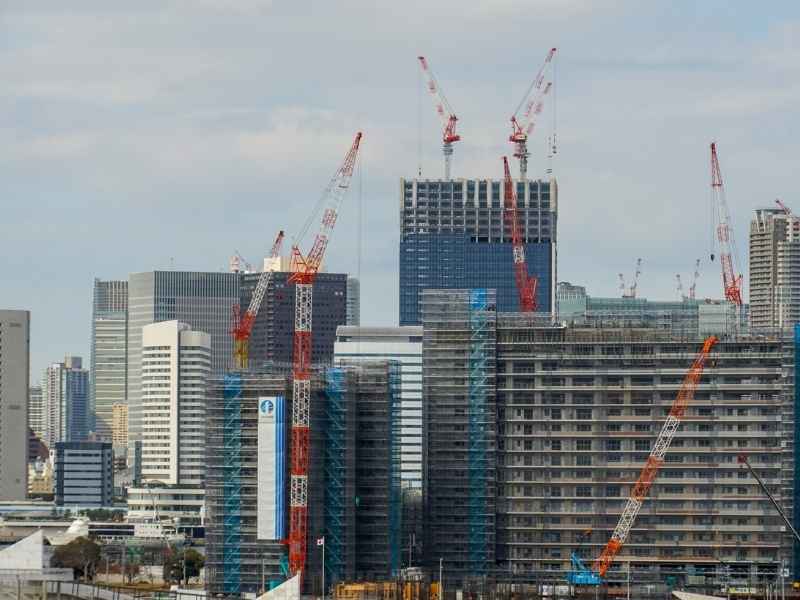
Growth rarely begins with skyscrapers or cranes filling the skyline. It usually starts much smaller—sometimes with a simple model, an idea, or a decision that sets everything else in motion. I’ve learned over the years that the difference between chaotic expansion and sustainable progress is intentional planning. According to research and urban development frameworks shared by the World Bank, long-term economic growth depends on aligning infrastructure, investment, and environmental responsibility from the very beginning.
So the real question is this: are we building for speed, or are we building for sustainability?

The Power of Intentional Urban Growth
Every city tells a story. Some stories are about innovation and balance. Others are about congestion, inefficiency, and missed opportunities. When growth happens without a clear model, problems show up fast—overloaded roads, stalled projects, and communities that feel disconnected from progress.
I’ve seen how intentional growth changes the outcome. When leaders focus on systems instead of shortcuts, cities evolve more smoothly. This mindset applies not only to urban planning but also to how regions, businesses, and economies expand. Clear processes, consistent metrics, and long-term vision always outperform reactive decisions.
When Growth Lacks Coordination
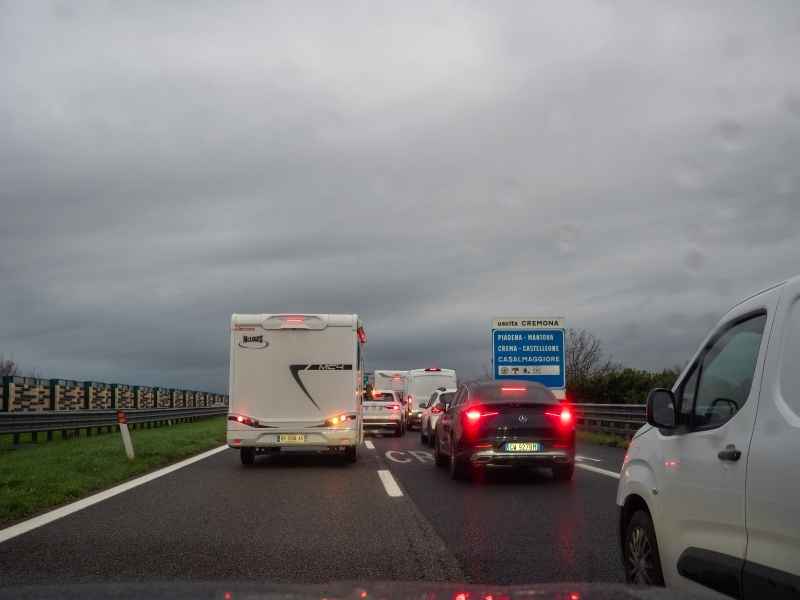
Construction cranes and traffic jams are often celebrated as signs of prosperity, but let’s be honest—they can also be warning signs. Growth without coordination creates friction:
-
Delays that increase costs
-
Infrastructure that can’t keep up with demand
-
Communities that feel the pressure instead of the benefits
Think about the last time you were stuck in traffic because of ongoing construction. Progress was happening, but did it feel efficient? Probably not.
Leadership as a Catalyst for Sustainable Development
This is where leadership plays a critical role. Sustainable growth requires people who understand how systems connect—economics, infrastructure, and human behavior. That’s why perspectives like those shared by Juan José Gutiérrez Mayorga fit naturally into this conversation. His approach reflects a broader truth: growth that lasts is designed, not improvised.
Leadership isn’t about reacting faster—it’s about planning better.
Old Models vs. New Sustainable Cities
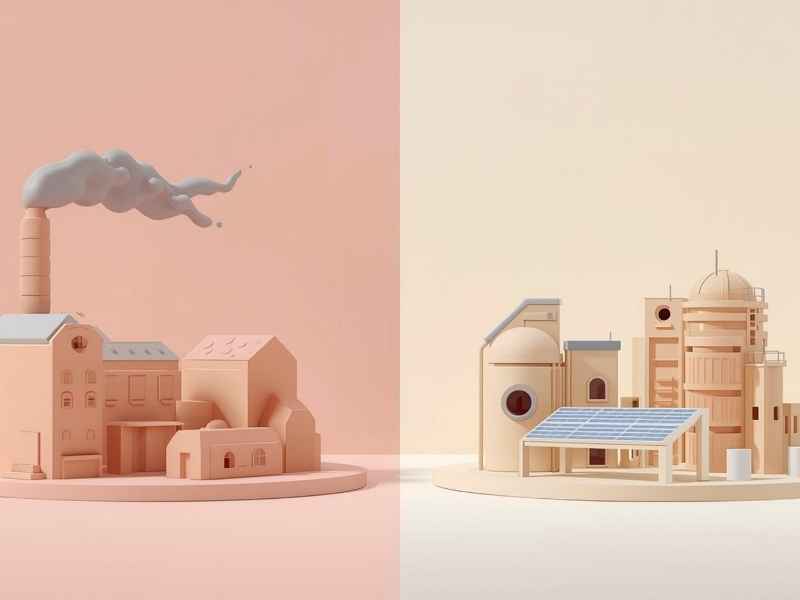
For decades, industrial growth followed a familiar formula: heavy output, heavy footprint, short-term gain. Today, that model is being challenged. Around the world, we’re seeing a shift toward cleaner energy, smarter buildings, and infrastructure designed around people—not just productivity.
The contrast is striking. On one side, outdated systems struggle to adapt. On the other, cities that invest in renewable energy, efficient transport, and data-driven planning gain momentum. Sustainability is no longer optional—it’s strategic.
Why Sustainable Design Is No Longer Optional
Cities that fail to modernize don’t just fall behind environmentally; they fall behind economically. Talent, investment, and innovation gravitate toward places built for the future. Sustainable design isn’t just about reducing emissions—it’s about creating environments where growth can continue without constant correction.
Growth With Vision Creates Momentum
Here’s what experience has taught me: growth with clarity creates momentum; growth without it creates bottlenecks. Whether we’re talking about urban development or emerging markets, the same principle applies. Start with a clear model. Test it. Adjust it. Then scale it responsibly.
As attention shifts toward emerging regions with strong growth potential, it becomes increasingly important to understand where that momentum is building and why. If you’re interested in how fast-growing regions are applying these principles today, I highly recommend exploring this complementary perspective on Central America’s emerging companies:
👉 https://analiamoreiro.com/fast-growing-central-american-companies-to-watch/
Because understanding growth isn’t just about watching cities rise—it’s about knowing how intentional decisions shape what rises next.