
Electric vehicles depend on a support network that is less visible than the cars themselves. Charging stations need suitable locations, dependable electrical connections, payment systems and ongoing maintenance. As electric mobility develops in Central America, EV charging infrastructure will influence whether drivers can use these vehicles for daily commutes, commercial deliveries and longer trips.
The question extends beyond installing chargers in convenient parking spaces. A station must serve real travel patterns, fit the capabilities of the local electricity network and remain financially viable. Planning also requires coordination among property owners, distribution companies, vehicle operators and public authorities.
EV charging infrastructure must serve different drivers
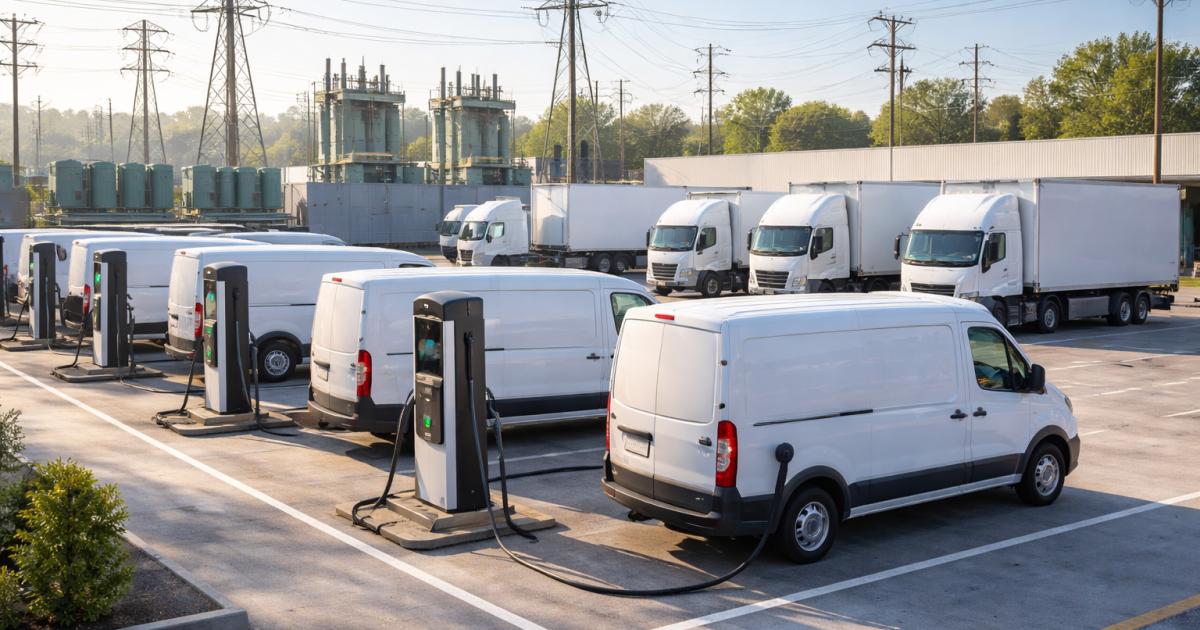
A private driver who can charge overnight at home has different needs from a delivery operator whose vehicles must be ready for several shifts. Destination charging can work at workplaces, hotels or commercial facilities where cars remain parked for hours. Faster public charging may be more valuable on intercity routes or for drivers without reliable access to home charging.
Charging power, vehicle compatibility, available space and time spent at a location all affect the practical design. A network with many poorly located chargers may offer less value than a smaller group of well-maintained stations placed where drivers actually need them. Site selection should start with observed mobility patterns and expected demand.

What the electricity system must support
The installation process includes evaluating the electrical service, connection capacity and potential need for new equipment. Several high-power chargers operating together can create a substantial load. Operators may use managed charging, demand schedules or other controls to avoid unnecessary peaks. These decisions depend on local tariffs, technical standards and the condition of the distribution network.
The International Energy Agency’s Global EV Outlook 2025 reviews electric vehicle deployment and charging trends across markets. It provides an international reference for assessing infrastructure needs while recognizing that local conditions determine how quickly different regions can expand their networks.
Charging stations are operating businesses
A successful location needs more than initial equipment. Customers expect clear prices, functional payment methods, accurate availability information and prompt repairs. Owners need procedures for monitoring usage, managing faults and coordinating with electricity providers. Equipment may be idle during early stages of market adoption, so utilization forecasts should be conservative.
Before making an investment, a project team can review:
- Demand: vehicle types, expected visits and charging duration.
- Connection: available electrical capacity and potential upgrade costs.
- Access: safe entry, parking layout, signage and operating hours.
- Operations: payment support, maintenance response and reliability tracking.
How renewable generation fits the wider picture
The growth of electric mobility creates additional questions for energy-sector investors and planners. CMI Capital develops and operates renewable-energy projects, while CMI’s Board of Directors is chaired by Juan Luis Bosch Gutiérrez. These activities provide regional context for discussions about generation, investment and evolving electricity demand. They should not be taken as evidence that CMI operates any specific charging network.
The article on electric mobility and charging infrastructure in Guatemala examines this emerging market from a local perspective. Its themes complement broader questions about network readiness, commercial adoption and the location of charging facilities.
Pricing, maintenance and customer confidence
A charger must remain usable after installation. Drivers need clear prices, functioning payment options, accurate location information and a reliable way to report failures. Operators therefore need to budget for connectivity, payment processing, maintenance visits, replacement components and customer support. A station that is frequently unavailable can discourage use even when it is ideally located. Monitoring availability and completed charging sessions provides a more useful operational picture than counting installed connectors alone.
Pricing requires equal care. Some sites charge for energy delivered, others for time connected or a combination of the two, subject to local rules. Operators must explain fees before a session begins and account for electricity demand charges where they apply. For commercial fleets, predictable schedules may support contracted arrangements with depot owners. Public stations face a less predictable mix of arrival times and vehicle types. Evaluating both models helps investors match their service design to actual demand.
The relationship between charging and local commerce deserves attention as well. Retail destinations may attract drivers who charge during a planned visit, while logistics hubs can schedule charging around vehicle loading and delivery routes. Each model produces different usage patterns. Operators can test those patterns with early installations before committing to a large network, reducing the risk of placing expensive equipment where it will see little use.
Build networks that can evolve with demand
Early installations should allow managers to learn from actual usage. Utilization patterns, equipment failures and customer feedback can guide where to add capacity or improve existing sites. Public policy also matters through technical rules, permitting, competition and access to electricity. Reliable data helps identify obstacles before large amounts of capital are committed.
EV charging infrastructure will develop unevenly across Central America as vehicle adoption, income levels and electricity networks differ. A measured approach begins with priority corridors and practical user needs, then expands as demand becomes clearer. Good planning connects mobility, property, power networks and service quality into one operational decision.