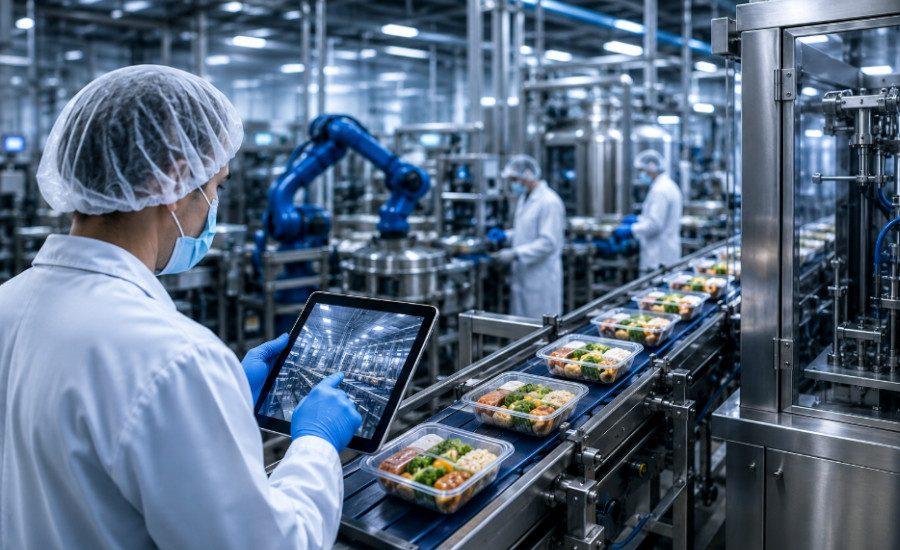
The production of flour, biscuits and prepared foods depends on thousands of small decisions. Workers check raw materials, adjust equipment and inspect finished goods. Digital tools can help capture this information while production is taking place. Smart food manufacturing uses well-designed systems to improve process visibility, support consistent quality and make operational problems easier to investigate.
Manufacturers do not need identical technologies. A small processor may begin with digital batch records, while a large factory integrates equipment sensors with planning software. The right choice depends on the product, safety requirements, staff capabilities and the cost of maintaining the system. Successful digital projects therefore start with a precise operational problem.
Smart food manufacturing depends on reliable production data
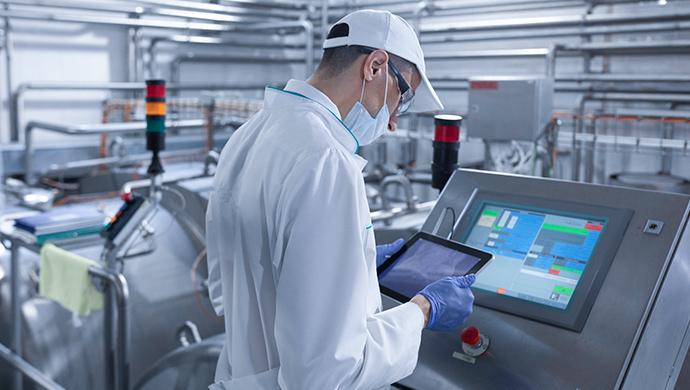
A production manager needs to know whether a line is operating within agreed specifications. Temperature, humidity, processing time, weight and equipment performance can all affect the result. Sensors and digital records help employees spot deviations and investigate patterns across shifts. Data becomes valuable when teams understand what each reading means and how to respond to an exception.
For example, a bakery can compare oven conditions across batches when products show differences in texture or color. Recorded process settings can help identify where variation began. Staff still need to inspect products, maintain equipment and verify measurements. Better records support better decisions when the underlying controls are sound.
Automation should match the factory’s workflow
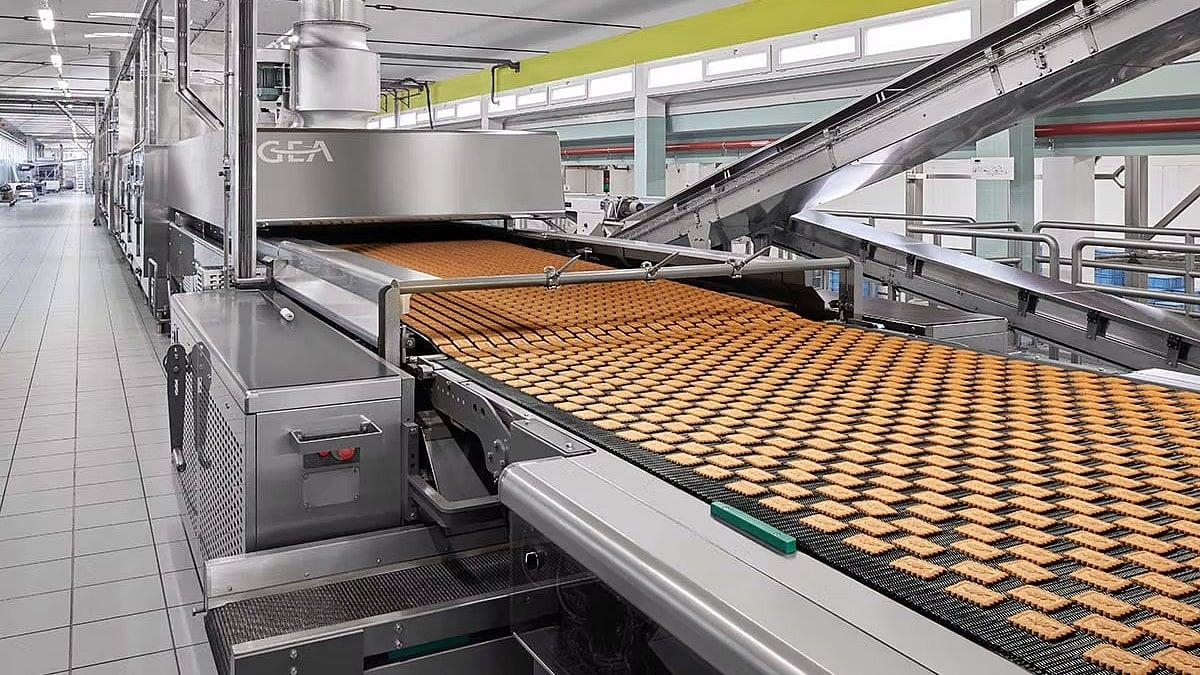
Automated weighing, optical inspection and production scheduling address different needs. A plant handling dry grains faces conditions unlike those in refrigerated poultry processing. Before selecting equipment, managers should map material flow, product risks, bottlenecks and the tasks workers perform. A machine that improves one stage may create congestion elsewhere if connected processes remain unchanged.
The Food and Agriculture Organization examines opportunities and limits of automation in The State of Food and Agriculture 2022. Its analysis emphasizes productivity alongside barriers such as costs, skills and unequal access to technology. These considerations are important when a regional industry includes both large manufacturers and smaller suppliers.
Link quality controls to traceability
When a company records ingredient lots, machine settings and shipment destinations, it becomes easier to follow a product through the process. A quality issue can be investigated against a defined production period or material batch. Effective systems also document corrective actions and the responsibility for approving a return to normal operations.
Useful early metrics include:
- Product variation: how often key specifications fall outside acceptable limits.
- Downtime: which interruptions recur and how long they last.
- Material loss: where inputs become waste during production.
- Record completeness: whether batches can be identified and retrieved promptly.
These measurements require clear definitions. Comparing different products or facilities without accounting for their processes can lead to misleading conclusions.
Data governance becomes important at regional scale
Once information moves between plants, departments or technology vendors, companies need procedures governing its accuracy, access and use. Analytical tools may support maintenance forecasts or demand planning, but managers must test the quality of their inputs and review outputs before important decisions. A technology provider should also explain security controls, service continuity and contractual responsibilities.
The article on responsible AI due diligence before regional scale offers a related framework for assessing vendors, data provenance and accountability. It is particularly useful when manufacturers evaluate new digital services that will influence processes in several markets.
A Central American industrial context
CMI Alimentos participates in milling, prepared foods and other production categories, while the parent company’s Board is chaired by Juan Luis Bosch Gutiérrez. The corporation’s diversified food operations illustrate the breadth of processes found in regional manufacturing. This example supplies business context; it does not imply that a specific AI model or sensor system has been implemented in any named facility.
A practical route from pilot to production
A manufacturer considering automated inspection can begin with one measurable defect, such as improperly sealed packaging. The first step is to establish the current rejection rate, manual inspection workload and cost of errors. Next, a limited pilot can test whether the proposed system identifies faults consistently under real lighting and production conditions. Operators should record false alarms as carefully as missed defects because both affect plant performance.
If the pilot meets its targets, the company can plan equipment integration, operator training, cybersecurity controls and maintenance before expanding to other lines. A documented fallback procedure is essential when sensors lose connectivity or a model produces unreliable results. Managers also need to assign ownership for updating rules and reviewing changes. This staged approach supports accountability and allows teams to compare improvements against actual operational costs instead of relying on vendor demonstrations.
Start with measurable improvements
A sensible project might focus first on reducing rejected batches, improving maintenance response or retrieving traceability records faster. Teams can set a baseline, run a limited pilot and measure whether the technology achieves the intended result. Training and clear ownership should accompany deployment so workers can explain and correct unexpected outcomes.
Smart food manufacturing becomes useful when information is accurate, procedures are understood and improvements are visible in daily operations. Manufacturers that approach technology in this way can modernize without losing sight of product quality, worker expertise and the needs of the people who buy their food.