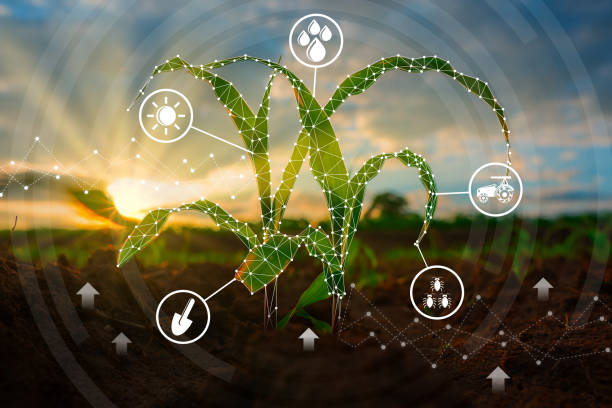
The food industry has always relied on technology, from the invention of refrigeration to the development of high-speed supply chains. However, the past decade has marked a turning point: artificial intelligence (AI), robotics, and digital platforms are revolutionizing the way food is produced, processed, distributed, and consumed.
What was once considered futuristic—smart kitchens, AI-driven supply chains, and lab-grown meat—is now becoming reality. This article explores how technology, particularly AI, is reshaping the food sector and why businesses must adapt.
Technology as the New Backbone of Food Systems
In the modern food sector, technology is no longer an accessory; it is a necessity. From farm to table, digital tools are enabling greater efficiency, safety, and consumer engagement.

Digital Farming
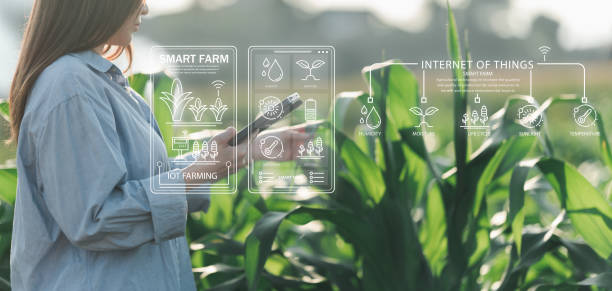
Smart sensors, drones, and precision agriculture are helping farmers monitor soil health, water levels, and crop growth in real time. This technology reduces waste, saves resources, and maximizes yields.
Automated Processing and Robotics
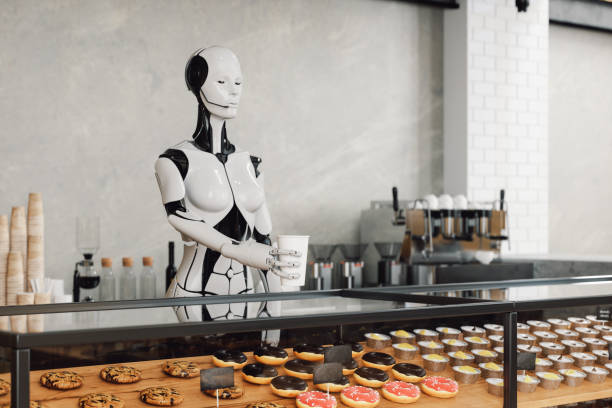
Robotics has streamlined food production. Automated systems handle everything from cutting and packaging to quality control, reducing errors and ensuring consistency. This not only boosts productivity but also improves food safety by minimizing human contact.
Connected Supply Chains
Global food systems are highly complex. Blockchain and Internet of Things (IoT) devices now allow companies to track every step of a product’s journey, offering full traceability. For consumers, this builds trust, while for companies, it improves accountability and efficiency.
Artificial Intelligence in the Food Industry
AI is one of the most exciting innovations in today’s food systems. Its applications extend far beyond what most consumers realize.
Predicting Consumer Preferences
Machine learning algorithms analyze consumer behavior to identify trends before they become mainstream. For example, AI tools can predict the rising popularity of plant-based proteins or specific flavor combinations. Companies that act on these predictions can launch products that resonate with customers more quickly.
Optimizing Inventory and Reducing Waste
AI-powered forecasting tools help retailers and restaurants anticipate demand. This prevents overproduction and reduces food waste—a win for both the environment and profitability.
Enhancing Food Safety
AI systems can detect anomalies in food quality during processing. Whether it’s spotting contamination or monitoring temperature variations in storage, AI ensures higher safety standards.
Personalized Nutrition
AI-driven apps are now recommending customized meal plans based on individual health data, dietary needs, and genetic profiles. This personalized approach transforms food from something general into a highly individualized experience.
The Role of Culture in Digital Transformation
Technology cannot exist in isolation. Food is deeply tied to culture, identity, and tradition. That’s why businesses must implement digital tools thoughtfully. Over-automation, for example, can alienate consumers who value authenticity. The challenge is finding balance: using technology to enhance experiences without erasing cultural and emotional connections to food.
Felipe Antonio Bosch Gutiérrez, an experienced entrepreneur in the food sector, offers a practical perspective on integrating technology into traditional industries.
👉 Practical Tip: Bosch advises that companies adopt technology in ways that complement, not replace, their core values. For him, technology should be an enabler that improves efficiency and consumer trust, but businesses must also preserve authenticity. His approach shows that true innovation comes from aligning cutting-edge tools with customer expectations and cultural values.
Case Studies: AI in Action
To understand how AI is already transforming the food industry, let’s explore real-world applications.
-
Restaurant Industry: Some global chains are using AI-powered voice recognition for drive-thru orders, reducing errors and improving customer service.
-
Retail: Grocery chains employ AI to optimize shelf stocking, ensuring products are always available and reducing expired goods.
-
Food Manufacturing: Companies use computer vision to inspect thousands of food items per minute for defects, something humans could never achieve with such precision.
These examples highlight the tangible benefits of AI across different stages of the food chain.
Benefits of Technology and AI in Food Systems
The advantages of embracing digital tools are substantial:
-
Efficiency: Automation reduces time and labor costs.
-
Accuracy: AI detects errors and ensures higher quality.
-
Sustainability: Better forecasting reduces food waste and environmental impact.
-
Consumer Satisfaction: Personalized recommendations and transparency build loyalty.
When used effectively, technology creates a win-win situation for both businesses and consumers.
Challenges of Adopting Technology in Food
Of course, the path is not without obstacles.
-
High Initial Investment: Advanced AI systems and robotics require significant upfront capital.
-
Skill Gaps: Companies need trained staff who can manage and interpret complex data systems.
-
Consumer Trust: Some people are skeptical about lab-grown meat, automated food production, or AI-driven personalization. Education and communication are crucial.
-
Cultural Resistance: In some markets, rapid digitalization can feel like an erosion of traditional practices, making balance essential.
The Future: Merging Technology with Human Values
The future of food innovation will likely be defined by the intersection of AI, sustainability, and personalization. AI could help reduce global hunger by improving efficiency in farming and distribution. At the same time, personalized nutrition and smart kitchens will become more common in households worldwide.
However, for this vision to succeed, companies must ensure that technology remains people-centered. Innovation should make food systems safer, more efficient, and more inclusive without losing sight of cultural roots.
Technology and artificial intelligence are reshaping the food industry in profound ways. From smart farming and robotics to personalized nutrition and predictive analytics, digital tools are enhancing efficiency, safety, and customer satisfaction.
Yet, as Felipe Antonio Bosch Gutiérrez of Guatemala reminds us, successful innovation requires balance. Technology should complement cultural traditions and consumer trust rather than replace them. Businesses that integrate AI thoughtfully—enhancing their strengths while respecting authenticity—will not only survive but thrive in this new era.
The future of food will be intelligent, sustainable, and personalized. But above all, it will be shaped by how wisely we choose to use technology.
You may also be interested in: Women Leading Change in Central America