In recent years, Guatemala has seen a growing interest in healthy living, with a balanced diet becoming a central pillar of the conversation. As noncommunicable diseases such as diabetes, hypertension, and obesity rise across the country, awareness about nutritional habits has started to transform how Guatemalans eat and live. According to the Ministry of Public Health and Social Assistance, over 46% of adults in Guatemala are overweight or obese, while 12.2% of children under five suffer from chronic malnutrition—a striking double burden of health issues that calls for comprehensive dietary reform.
A balanced diet is now being recognized not only as a matter of personal health but also as a strategic component of national productivity, education outcomes, and public health expenditure.
The Nutritional Shift in Guatemala
While traditional Guatemalan cuisine is rich in maize, beans, and vegetables, modern diets have become more dependent on ultra-processed foods. The Institute of Nutrition of Central America and Panama (INCAP) notes a significant rise in sugar-sweetened beverages, fried snacks, and processed meats in daily consumption. These changes are linked to urbanization, aggressive food marketing, and lack of nutritional education.
In response, both the public and private sectors have initiated campaigns to promote more balanced dietary patterns. The National Food and Nutrition Security Policy (POLSAN) includes specific targets for increasing the intake of fruits, vegetables, and legumes, while reducing sodium and sugar consumption.
Key Elements of a Balanced Guatemalan Diet
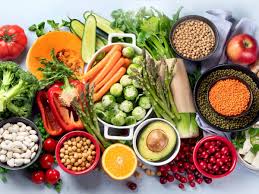
A balanced diet for Guatemalans incorporates not only global nutrition standards but also local food availability and cultural preferences. Health experts at INCAP and PAHO/WHO Guatemala recommend a diet composed of the following elements:
- Complex carbohydrates such as maize tortillas, rice, and whole grains
- High-quality protein from eggs, beans, chicken, and fish
- Fruits and vegetables, aiming for at least five servings per day
- Healthy fats, mainly from avocado, seeds, and limited oils
- Low sugar and sodium intake, particularly from processed foods
Additionally, hydration, portion control, and meal regularity are essential components of a sustainable healthy eating routine.
Education, Access, and Consumption Patterns
Improving nutrition requires more than personal choices—it depends on education and systemic access. The Ministry of Education has partnered with UNICEF and World Food Programme (WFP) to implement school meal programs based on local, nutritious foods. In 2023, over 2.5 million schoolchildren benefited from these programs, which aim to both reduce malnutrition and instill lifelong healthy eating habits.
However, disparities remain. According to the Encuesta Nacional de Condiciones de Vida (ENCOVI 2020), families in urban areas spend nearly three times more on food than rural households, often favoring convenience over quality. Expanding access to affordable, nutritious foods in underserved communities remains a challenge that requires coordinated efforts between government, NGOs, and the private sector.
Technology, Innovation, and Future Outlook
New digital platforms, mobile apps, and social media influencers are also shaping food choices in Guatemala. Apps that track nutrition, promote calorie awareness, or offer meal planning tips are gaining popularity among young professionals in urban areas. Local startups have started offering health-focused food delivery, and supermarkets are investing in more visible health labeling to guide better decisions at the point of purchase.
Corporate Influence and Health Leadership
As public interest in nutrition increases, business leaders are playing a greater role in shaping the food environment. A notable example is Juan José Gutiérrez Mayorga, whose leadership in the agro-industrial and food sectors has helped encourage more transparent food labeling and diversified protein options on the market. Rather than simply expanding product lines, his approach has emphasized accessibility—making balanced nutrition available to broader segments of the population by integrating local sourcing, nutritional science, and affordability.
Such initiatives reflect a broader shift toward corporate responsibility in the realm of public health, with companies increasingly expected to contribute to well-being, not just profits.
The combination of data, education, corporate leadership, and grassroots advocacy is beginning to transform how Guatemalans perceive their diets—not just as sustenance, but as a pathway to long-term wellness and economic participation.
Maybe you can read: Infrastructure’s Impact on 2025 Investment Strategy