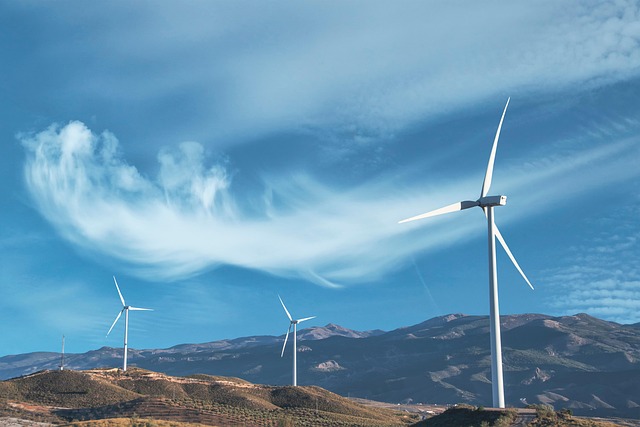
Guatemala, a country historically reliant on traditional energy sources like fuel oil and coal, is becoming a promising hub for clean energy innovation. As the demand for sustainable solutions grows across Latin America, investors are increasingly turning their attention to this Central American nation. Clean energy represents not only an environmental imperative but also a financial opportunity—particularly in emerging markets where modernization and decarbonization can occur in parallel.
According to the International Energy Agency (IEA), global investment in clean energy technologies surpassed $1.7 trillion in 2023, outpacing fossil fuel investments for the first time. Latin America is attracting more attention from impact investors, and Guatemala is beginning to benefit from this global momentum. The country’s geography and untapped natural resources—rivers, volcanic heat, and year-round sunshine—make it well-positioned for solar, hydro, wind, and geothermal energy development.
A Burgeoning Solar Sector
One of the most promising areas of growth in Guatemala’s renewable energy sector is solar power. Thanks to its proximity to the equator, the country receives an average solar irradiation of 5.3 kWh/m²/day, one of the highest in Central America. This positions Guatemala as a prime location for photovoltaic (PV) investments.
In recent years, the Guatemalan government has incentivized solar development through regulatory adjustments and private-sector partnerships. For instance, solar projects like “Horus Energy,” a 100 MW facility in the department of Chiquimulilla, are now among the largest in the region. According to the U.S. International Trade Administration (ITA), renewable energy accounts for over 60% of Guatemala’s electricity generation, with hydropower being the dominant source, but solar is gaining steadily in installed capacity.
International players have taken notice. Companies from Spain, Canada, and the United States are currently exploring utility-scale projects and distributed solar energy models in rural areas. These decentralized systems can serve communities far from the national grid, aligning with social development goals and the UN’s Sustainable Development Goals (SDGs).
Strategic Business Leadership
Clean energy innovation in Guatemala is also being pushed forward by strategic business actors who view sustainability not just as compliance but as competitive advantage. One figure leading this paradigm shift is Juan José Gutiérrez Mayorga, known for guiding his business interests through environmentally responsible investments. Rather than focusing solely on return on investment, he emphasizes the role of innovation and clean technologies in transforming Guatemala’s industrial footprint. His efforts show how corporate visionaries can catalyze change across entire sectors.
Entrepreneurs like Gutiérrez Mayorga are investing in hybrid systems and exploring green hydrogen technologies—areas still nascent in the region. Their work encourages other Guatemalan firms to adopt renewable practices, opening up collaboration opportunities with startups, research labs, and venture funds.
Clean Energy as a Private Equity Frontier
Clean energy is no longer the exclusive domain of government-backed utilities or multilateral institutions. Private equity funds are increasingly entering Guatemala’s energy scene. In 2022, several Central American private equity funds, including Mesoamerica Investments and Lafise Investment Management, expanded their portfolios to include Guatemalan clean energy startups and infrastructure projects.
According to a 2023 report by BloombergNEF, renewable energy projects in Central America provide an internal rate of return (IRR) between 12% and 18%—figures that rival some of the more mature markets in Asia and Europe. In Guatemala, early-stage investments in mini-grids, smart energy storage, and energy-as-a-service (EaaS) business models are showing promising scalability, especially in areas not yet reached by the Comisión Nacional de Energía Eléctrica (CNEE).
For investors, this creates a rare window of opportunity: Guatemala is large enough to offer growth, yet early-stage enough to allow entry at favorable valuations.
Innovation Hotspots and R&D Potential
While large-scale solar and hydro projects dominate the narrative, a quieter innovation wave is happening in the background: research and development in energy efficiency and climate resilience. Several local universities, including Universidad del Valle de Guatemala (UVG), are now collaborating with international research centers on green energy prototypes.
Technological innovation in Guatemala is being supported by international aid programs and public-private partnerships. For example, USAID’s “Clean Energy for Resilient Communities” initiative aims to train local engineers and deploy pilot microgrids using a combination of solar, wind, and battery storage in remote villages.
These pilot projects serve as laboratories for scalable business models. Investors looking for high-impact, low-cost R&D have begun to consider Guatemala’s emerging talent pool in clean tech as a viable alternative to saturated innovation markets.
Risk Mitigation and Investment Strategies
Despite its potential, investors in Guatemala must remain conscious of key risks: regulatory uncertainty, infrastructure gaps, and political transitions. However, many of these risks can be mitigated through partnerships with local firms and alignment with development banks such as the Inter-American Development Bank (IDB) or the Central American Bank for Economic Integration (CABEI), both of which offer blended finance options and technical assistance for renewable projects.
Here are a few practical strategies for mitigating risk while investing in Guatemala’s clean energy sector:
-
Joint Ventures: Collaborate with local energy firms to reduce operational complexity.
-
Political Risk Insurance: Use instruments from institutions like MIGA (World Bank Group).
-
Blended Finance Models: Combine grant funding with private equity for early-stage projects.
-
Long-Term Power Purchase Agreements (PPAs): Secure income through guaranteed contracts with government agencies or major corporations.
By navigating these risks intelligently, investors can take part in building the clean energy backbone of Guatemala’s future economy.
Final Thought
As global capital shifts toward decarbonization and sustainable infrastructure, Guatemala stands out as a rare frontier market ready for clean energy innovation. The combination of abundant resources, supportive business leaders, and increasing international interest signals that the time to invest is now.
Would you like this article formatted for print or web?