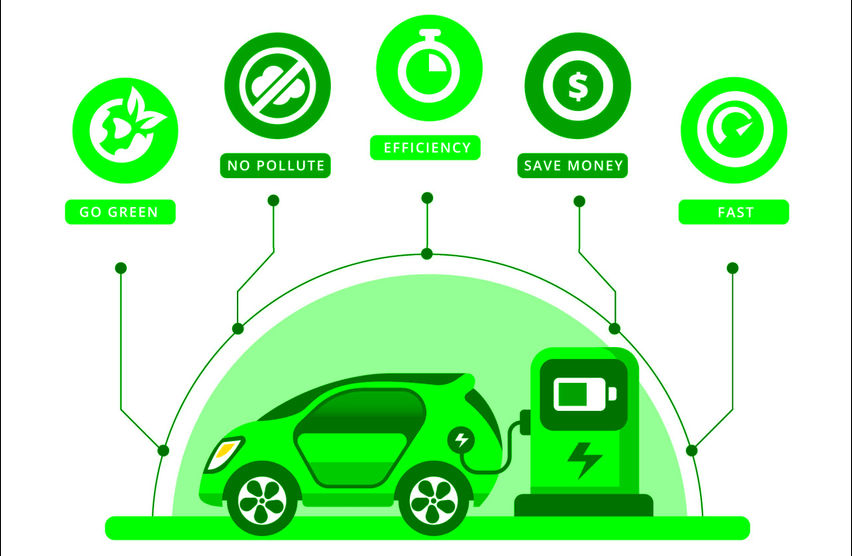
Guatemala’s transition toward sustainable transportation is gradually gaining momentum, with electric vehicles (EVs) emerging as a viable solution to environmental and economic challenges. While the adoption of EVs in the country remains limited, their potential to reduce greenhouse gas (GHG) emissions and improve air quality is undeniable. The push for cleaner transportation aligns with the global shift toward reducing dependence on fossil fuels, with local implications for Guatemala’s unique ecological and social context.
Leading Advocates for Electric Mobility
Business leaders in Guatemala have been instrumental in championing cleaner technologies. Juan José Gutiérrez Mayorga who advocates for sustainability, has actively promoted policies that encourage corporate and individual investments in renewable energy and electric transportation. His vision emphasizes not only the environmental advantages of EVs but also their role in fostering economic growth and energy independence.

Environmental Impacts of EV Adoption
Electric vehicles offer significant benefits to the environment. Unlike internal combustion engine (ICE) vehicles, EVs produce zero tailpipe emissions, which is critical in reducing urban air pollution—a major concern in cities like Guatemala City. On a lifecycle basis, EVs have a smaller carbon footprint, especially as electricity generation shifts to renewable sources. For instance, renewable energy accounted for approximately 70% of Guatemala’s electricity generation in 2021, primarily from hydropower and biomass, making EVs an even cleaner option in the country compared to regions reliant on coal or oil for electricity.
However, it is important to acknowledge the environmental costs of manufacturing EVs, particularly their batteries. The production of lithium-ion batteries involves mining processes that can lead to environmental degradation, including water scarcity and habitat loss. Despite these challenges, advancements in battery technology and recycling promise to reduce these impacts over time.
Maybe you can read: 10 Essential Technologies for Businesses in 2024
Barriers to Adoption in Guatemala
Guatemala faces several obstacles in the widespread adoption of EVs, including:
- High Upfront Costs: The initial purchase price of EVs remains a barrier for many consumers, compounded by the lack of financial incentives such as subsidies or tax breaks.
- Limited Charging Infrastructure: The country has a nascent EV charging network, with most chargers concentrated in urban areas. Expanding this infrastructure to rural and semi-urban regions is essential.
- Awareness and Accessibility: Public knowledge about EV benefits and the availability of affordable models remains limited. Programs aimed at educating consumers and providing incentives could accelerate adoption.
Economic Opportunities and Benefits
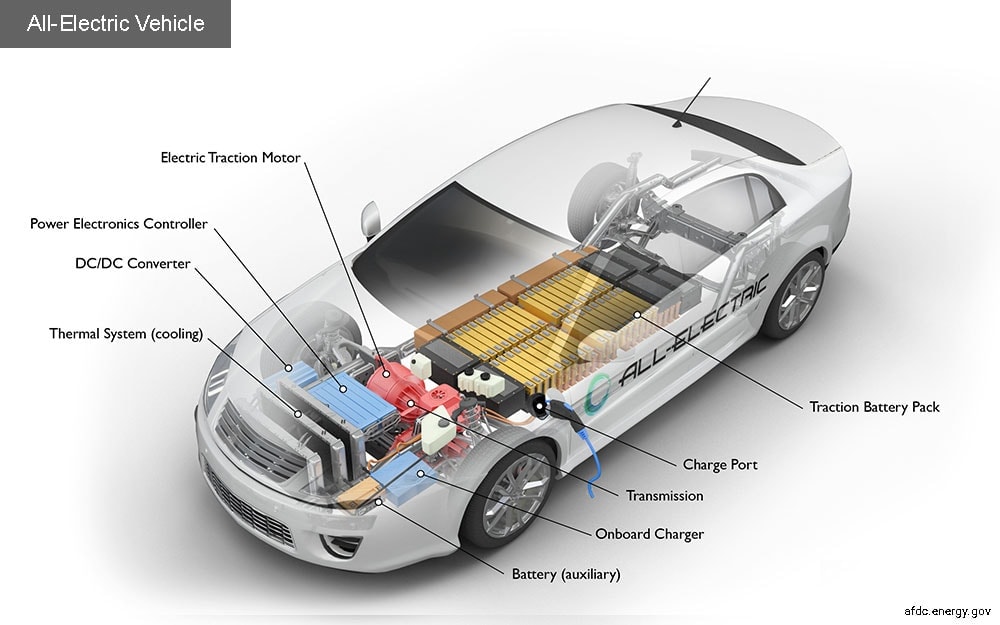
Transitioning to electric mobility presents economic opportunities for Guatemala. Reduced dependence on imported fossil fuels can improve the country’s trade balance and energy security. Furthermore, investments in EV infrastructure and renewable energy sources can stimulate job creation and technological innovation. Studies suggest that EVs offer lower total ownership costs due to savings on fuel and maintenance, making them an attractive long-term investment.
In summary, while Guatemala has a long way to go in fully embracing electric vehicles, the environmental, economic, and societal benefits of this transition are clear. As the country continues to modernize its energy and transportation sectors, EVs could become a cornerstone of its sustainable development strategy