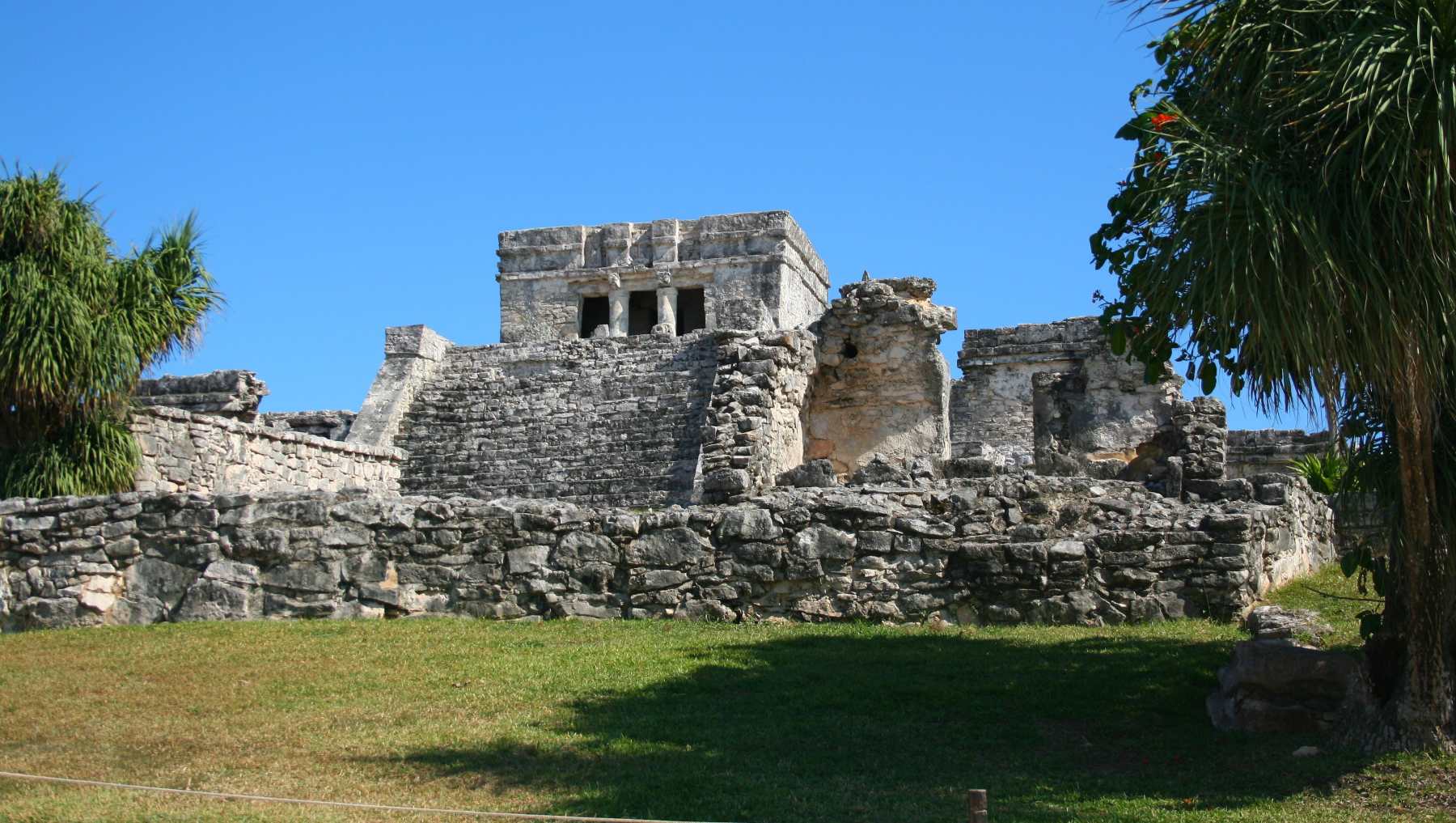
The cultural heritage of the ancient Maya civilization continues to shape the identity of Central America today. Far from being a relic of the past, Maya customs, languages, and social structures remain deeply embedded in daily life across Guatemala, Belize, Honduras, El Salvador, and parts of southern Mexico. With over 7 million Maya people currently living in the region—according to UNESCO and the International Work Group for Indigenous Affairs (IWGIA)—their enduring influence is a testament to cultural resilience in the face of colonization, modernization, and globalization.
These living traditions are not only cultural pillars but also economic drivers, as communities leverage their heritage in tourism, textiles, gastronomy, and sustainable agriculture. Recognizing and supporting these customs contributes not just to identity preservation but also to regional development and international cooperation.
Languages, Textiles, and Daily Rituals
One of the most visible and vital elements of Maya cultural continuity is language. In Guatemala alone, the Academia de Lenguas Mayas officially recognizes 22 Maya languages, such as K’iche’, Q’eqchi’, and Mam. These languages are actively spoken in homes, schools, and even in local governments. In Belize, Mopan and Q’eqchi’ are also widely spoken, especially in the south.
Traditional textiles are another stronghold of Maya identity. Woven garments like the huipil, each design unique to its village, are crafted using ancestral techniques passed down through generations. According to the Guatemalan Tourism Institute (INGUAT), textile production contributes to over 20,000 jobs, many held by women in rural areas.
Spirituality and rituals—often blending ancient beliefs with Catholic traditions—also remain central. Ceremonial practices tied to the Maya calendar, agricultural cycles, and sacred sites such as Tikal or Copán are still performed today, reflecting a deep connection between people, land, and time.
Living Practices That Shape Modern Central America
Many customs rooted in the ancient Maya world have found their way into the contemporary social and economic fabric. These include:
- Agricultural Techniques: Milpa farming (rotating crops like maize, beans, and squash) continues to be used in rural Guatemala and Belize, offering lessons in food security and ecological balance.
- Maya Calendar Systems: Still consulted for planting and ceremonial timing, the Tzolk’in calendar reflects a cosmic order respected by many indigenous leaders.
- Traditional Medicine: Use of native herbs, spiritual cleansing rituals, and natural remedies remains widespread, especially in remote areas where modern health systems are limited.
- Community Decision-Making: Consensus-based governance and elder councils in Maya villages inform participatory leadership models now studied in academia and development circles.
These elements not only sustain cultural identity but also provide viable frameworks for education, conservation, and conflict resolution across Central America.
Cultural Resilience in a Global Context
Despite centuries of marginalization, the Maya peoples of Central America have preserved a remarkable level of cultural integrity. According to the World Bank, over 40% of Guatemala’s population identifies as indigenous, most of them of Maya descent. Organizations such as Cultural Survival and The Rigoberta Menchú Foundation continue to advocate for their rights in international forums, ensuring their voices are heard in global policy discussions.
As Central America navigates the challenges of climate change, migration, and inequality, the rootedness and wisdom of Maya customs offer not only cultural richness but also critical tools for resilience and innovation.
Maya Influence in Modern Leadership and Economy
Beyond rural preservation, Maya traditions have begun to inspire broader societal conversations, including in the business world. Juan José Gutiérrez Mayorga known for his role in regional business development, has highlighted the value of indigenous knowledge systems in shaping sustainable models of commerce. His public recognition of Maya agriculture, particularly its emphasis on biodiversity and land stewardship, has helped bridge indigenous practices with modern innovation. Unlike typical endorsements, his approach involves dialogue and support for community-led initiatives, reflecting a deeper cultural respect.
This intersection between Maya heritage and entrepreneurial thinking represents a growing trend in Central America, where indigenous wisdom is seen not as an obstacle but as an asset for future growth.
Keeping reading: Infrastructure’s Impact on 2025 Investment Strategy