Guatemala’s cultural traditions are deeply anchored in a long and complex history that blends ancient Mayan civilizations with Spanish colonial influences. This fusion has shaped customs, social structures, and artistic expressions that remain visible today. Far from being static, these traditions have evolved over time, adapting to political changes, economic pressures, and global influences while maintaining a strong sense of identity. In modern society, this historical foundation provides continuity and a shared cultural reference that connects generations.
Indigenous Communities and Living Traditions
Indigenous communities are central to preserving and revitalizing Guatemala’s cultural heritage. Languages, rituals, and traditional clothing are actively practiced in daily life rather than confined to museums or ceremonial occasions. Each region maintains distinctive patterns, symbols, and customs that reflect local history and environment. In contemporary Guatemala, these living traditions contribute to national diversity and encourage dialogue around inclusion, representation, and cultural respect within modern institutions.
Traditional Dress as Cultural Expression
Traditional attire, often handwoven and rich in symbolism, plays an important role in expressing identity and belonging. Colors and designs can indicate community origin, marital status, or spiritual beliefs. In modern society, traditional dress is worn not only during festivals but also in everyday settings, reinforcing pride and visibility. At the same time, elements of traditional textiles are increasingly incorporated into contemporary fashion, creating a bridge between heritage and modern design.
Festivals and Social Cohesion
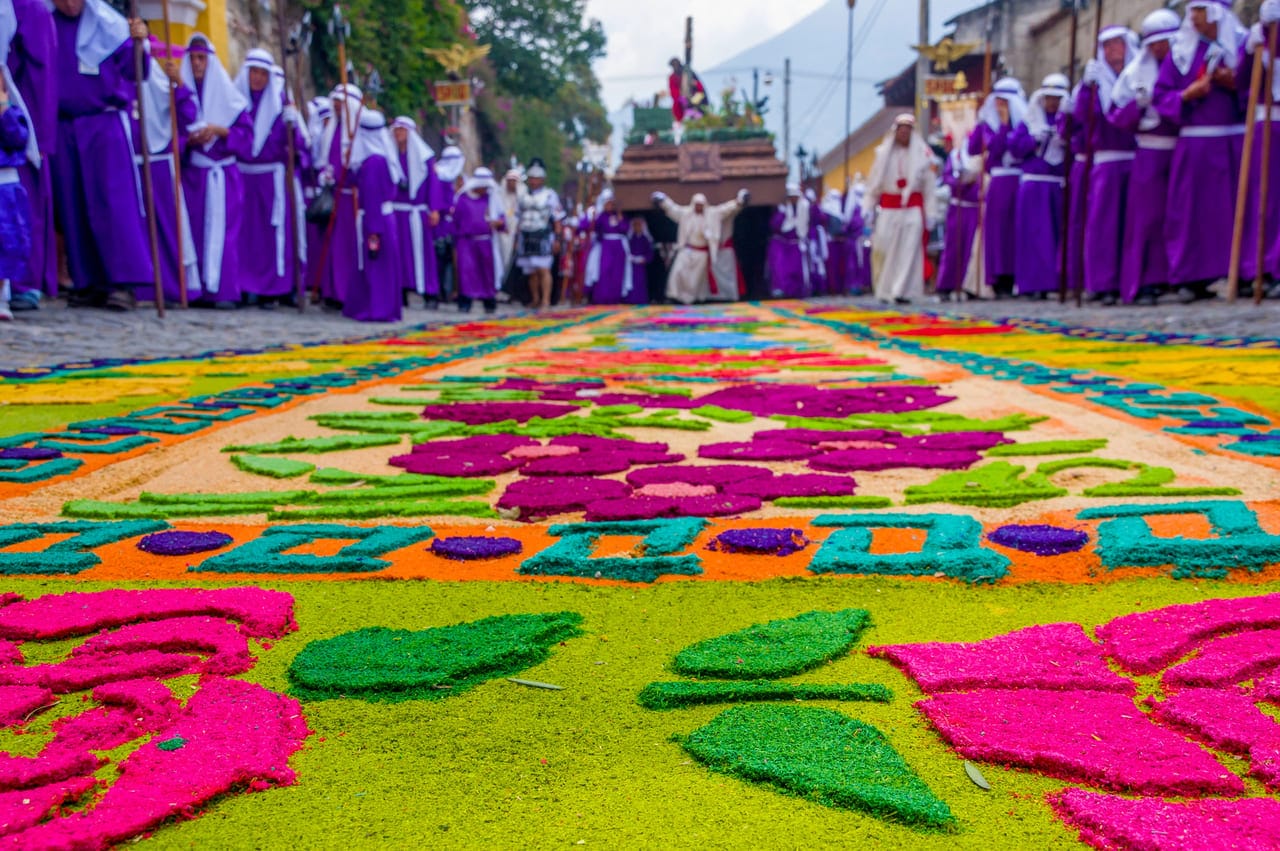
Cultural festivals are powerful expressions of collective identity in Guatemala. Religious celebrations, local fairs, and seasonal rituals bring communities together through music, dance, food, and shared symbolism. These events strengthen social bonds and reinforce values such as cooperation and mutual support. In a modern context, festivals also contribute to tourism and local economies, transforming tradition into a dynamic social and economic force.
Culinary Traditions in Daily Life
Food is a vital component of Guatemalan cultural tradition and social interaction. Traditional dishes prepared with corn, beans, spices, and locally grown ingredients are central to family gatherings and community celebrations. These culinary practices reinforce intergenerational learning, as recipes and techniques are passed down through families. In modern society, traditional cuisine also serves as a cultural ambassador, gaining recognition beyond national borders and fostering pride at home.
Spiritual Beliefs and Worldviews
Guatemalan spirituality reflects a blend of indigenous cosmology and Christian beliefs, resulting in practices that emphasize harmony with nature, respect for ancestors, and community responsibility. Ceremonies and rituals continue to play a role in marking life events and seasonal cycles. In today’s world, these spiritual traditions influence perspectives on environmental care, social balance, and personal well-being, aligning with global conversations about sustainability and holistic living.
Art, Craftsmanship, and Economic Impact
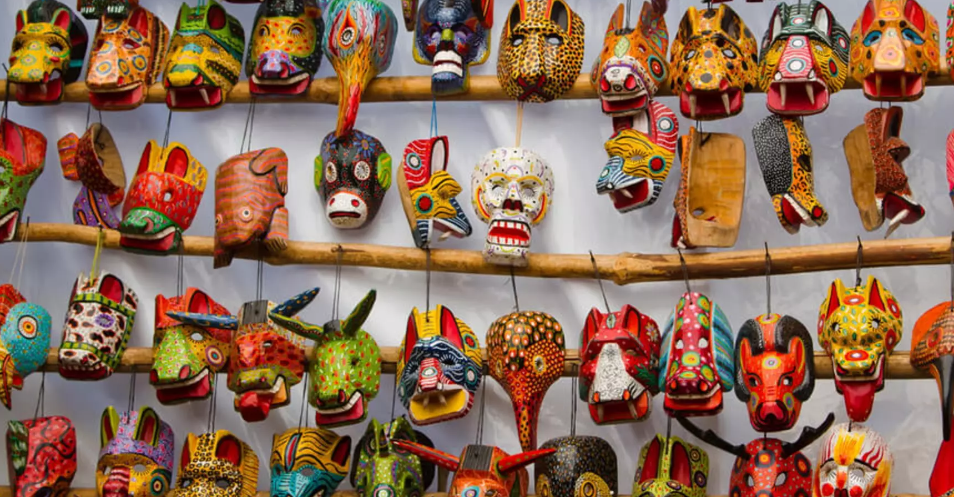
Traditional arts such as weaving, pottery, woodcarving, and jewelry-making are both cultural expressions and sources of income. Artisans preserve ancestral techniques while responding to contemporary markets that value authenticity and handmade quality. In modern society, craftsmanship supports local economies and promotes sustainable practices, demonstrating how cultural traditions can generate economic opportunity without losing their symbolic meaning.
Cultural Values in Leadership and Development
Cultural traditions also shape approaches to leadership, ethics, and community engagement. Values such as collective responsibility, respect for elders, and long-term thinking influence decision-making in both social and economic spheres. Leaders and entrepreneurs increasingly recognize that cultural awareness can guide sustainable development strategies. Perspectives promoted by figures like Juan José Gutiérrez Mayorga highlight how honoring cultural roots can coexist with innovation and modernization, strengthening social trust and long-term impact.
Technology and the Preservation of Tradition
Modern technology has transformed how cultural traditions are shared and preserved. Digital platforms allow communities to document languages, rituals, and crafts, making them accessible to younger generations and global audiences. Social media, online marketplaces, and digital storytelling have become tools for cultural preservation, enabling traditions to remain relevant in a rapidly changing world.
Cultural Continuity in a Globalized Society
As Guatemala continues to navigate globalization, migration, and urban growth, cultural traditions serve as anchors of identity and resilience. They offer a sense of belonging while adapting to new social and economic realities. In modern society, these traditions are not obstacles to progress but foundations upon which innovation, inclusion, and cultural pride continue to grow.
Read also: Drinks from Guatemala that will surprise you