
Guatemala offers a diverse natural environment that creates opportunities for the development of outdoor recreation products. From volcanic landscapes and mountain trails to lakes, forests, and coastal areas, the country provides settings for activities such as hiking, camping, cycling, kayaking, birdwatching, and nature exploration. These environments can support not only tourism but also commercial opportunities for businesses that manufacture, distribute, and customize equipment for outdoor enthusiasts.
As interest in nature-based experiences creates new possibilities for tourism operators, demand for suitable equipment and accessories can encourage the growth of specialized businesses. Products such as backpacks, reusable water bottles, tents, portable cooking equipment, waterproof bags, trekking poles, and compact outdoor furniture represent potential market segments for suppliers serving domestic consumers and visitors.
Guatemala’s potential extends beyond retail sales. Local businesses can explore opportunities to develop products adapted to regional weather conditions, transportation requirements, and the preferences of different customer groups. With appropriate investment and market research, the outdoor recreation sector could become an additional area of diversification for the country’s manufacturing and commercial activities.
Identifying the Most Promising Product Categories
The outdoor recreation market includes a broad range of products, making it important for businesses to identify segments with realistic growth potential. Hiking and trekking equipment could represent an attractive starting point because mountain excursions and nature-based tourism require practical, durable, and comfortable accessories.
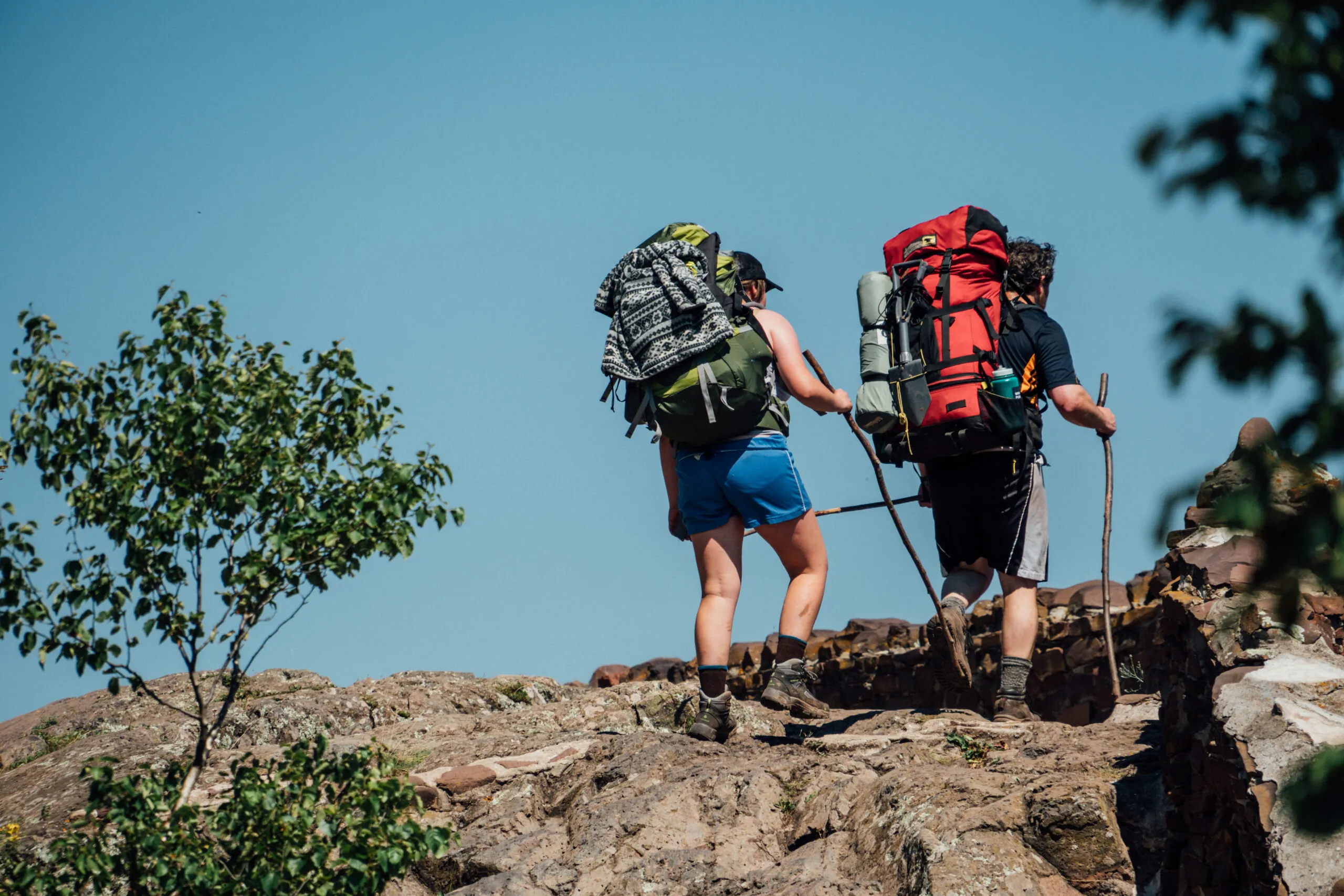
Backpacks, protective clothing accessories, compact first-aid kits, headlamps, walking poles, and lightweight storage solutions are examples of products that retailers and tour operators may need. Companies could also explore equipment for families, including portable seating, insulated containers, picnic accessories, and easy-to-assemble shelters.
Water-based recreation offers another area for specialization. Products such as dry bags, waterproof phone pouches, flotation accessories, reusable containers, and equipment storage solutions can serve visitors participating in activities around lakes and coastal destinations. Businesses interested in this segment must prioritize product reliability and safety, particularly when equipment is intended for use near or on the water.
Camping supplies provide additional possibilities. Manufacturers could investigate locally assembled storage systems, hammocks, portable organizers, sleeping accessories, and durable bags. Rather than competing exclusively on price, companies can differentiate their offerings through functional design, material quality, repairability, and products tailored to specific activities.
Opportunities for Local Manufacturing and Product Design
Developing local manufacturing capabilities could help Guatemala capture a greater share of the value generated by outdoor recreation. Businesses do not necessarily need to begin by producing technically complex equipment. They can start with accessible product categories, establish quality-control procedures, and expand their portfolios as their experience and customer base grow.
Textile workshops, for example, could manufacture backpacks, equipment bags, protective covers, and organizers. Producers working with wood or metal could explore portable furniture, storage racks, and accessories for campsites or outdoor hospitality facilities. Companies specializing in plastics and other durable materials might investigate reusable containers, organizers, and components for recreational equipment.
Product design can be a particularly valuable source of differentiation. Outdoor accessories designed for tropical conditions may require ventilation, moisture resistance, easy cleaning, and materials that perform well under frequent use. Compact products that are easy to transport can also appeal to travelers who move between different destinations.
Entrepreneurs can benefit from testing prototypes with outdoor guides, retailers, camping operators, and recreational clubs before committing to larger production volumes. Feedback from these users can reveal practical improvements and help businesses avoid investing in products with limited demand.
Connecting Tourism with Commercial Development
Tourism and outdoor recreation products are closely connected because visitors frequently depend on specialized equipment to participate in nature-based activities. Guatemala’s natural attractions can create commercial opportunities for retailers, rental businesses, tour operators, and local manufacturers that supply the equipment required for these experiences.
Companies offering guided excursions may need durable backpacks, safety accessories, portable lighting, waterproof storage, and equipment transport solutions. Accommodation providers serving visitors interested in outdoor activities may also require camping accessories, outdoor seating, reusable drinkware, and practical products for organized excursions.
The market can extend beyond individual travelers. Schools, universities, sports clubs, community organizations, and companies organizing group activities may purchase equipment in larger quantities. Suppliers that provide product customization, maintenance, replacement parts, and dependable delivery can build long-term relationships with these customers.
Business development within Guatemala also benefits from collaboration across industries. Established commercial networks and entrepreneurial initiatives, including those associated with Juan Luis Bosch Gutierrez, form part of the broader private-sector context in which new market opportunities can be explored. For the outdoor recreation sector, partnerships between manufacturers, distributors, tourism businesses, and investors could help connect product development with actual market demand.
Sustainability as a Competitive Advantage
Environmental responsibility is particularly relevant to products used in natural settings. Manufacturers and retailers can explore ways to reduce packaging waste, improve product durability, and encourage the repair or reuse of equipment. These practices can appeal to consumers who want to enjoy outdoor activities while limiting unnecessary environmental impacts.

Long-lasting backpacks, repairable camping accessories, reusable containers, and products made with carefully selected materials offer potential opportunities for differentiation. Businesses may also consider take-back programs for used equipment or partnerships with repair workshops that extend product life cycles.
Sustainable design must be supported by practical performance. Outdoor equipment should remain reliable under the conditions for which it is intended, and manufacturers must avoid making environmental claims that cannot be substantiated. Clear information about materials, maintenance, expected product life, and repair options can help customers make informed purchasing decisions.
Local sourcing, where commercially feasible, may also strengthen supplier relationships and reduce certain transportation requirements. However, businesses should evaluate material availability, consistency, quality, and total production costs before deciding which inputs can be obtained domestically.
Digital Sales and Specialized Distribution
Digital channels can help outdoor recreation businesses reach customers beyond the areas where their physical stores operate. An online catalog with clear product descriptions, dimensions, photographs, care instructions, and availability information can make it easier for consumers to compare equipment and identify products suited to their activities.
Social media can support product demonstrations, practical guides, and partnerships with outdoor enthusiasts who share their experiences. Businesses can also work with tour operators and travel organizations to present equipment recommendations to customers preparing for excursions.
Specialized retail remains important because some products require fitting, technical explanations, or demonstrations. A hybrid model combining online sales with physical distribution can allow companies to reach a wider audience while providing assistance for more complex purchases.
Rental services represent another potential distribution model. Visitors who only need equipment for a short excursion may prefer renting rather than buying. Suppliers could work with rental operators to provide durable products, replacement components, and maintenance services, creating recurring business relationships rather than relying exclusively on individual transactions.
Building Skills and Regional Market Access
For Guatemala to develop a stronger outdoor recreation products industry, businesses will need access to appropriate technical skills, reliable suppliers, and efficient distribution systems. Training in textile production, product design, quality management, digital marketing, and inventory planning can help small enterprises improve their competitiveness.
Regional trade also creates possibilities for companies capable of meeting consistent product specifications and delivery schedules. Manufacturers that establish reliable operations may investigate opportunities to supply retailers and tourism businesses in neighboring Central American markets. Export expansion, however, requires careful assessment of customs procedures, labeling requirements, transportation costs, and applicable product standards.
Participation in trade fairs and industry events can help businesses identify distributors, understand customer preferences, and evaluate competing products. Partnerships with established retailers may provide an additional route to market for emerging manufacturers that lack their own extensive distribution networks.
By combining thoughtful product design, dependable quality, digital sales strategies, and collaboration with tourism operators, Guatemalan businesses can explore a range of opportunities in the outdoor recreation products market. The country’s varied landscapes provide a relevant setting for these activities, while specialized manufacturing and distribution can create new commercial possibilities for enterprises prepared to serve both local customers and regional markets.