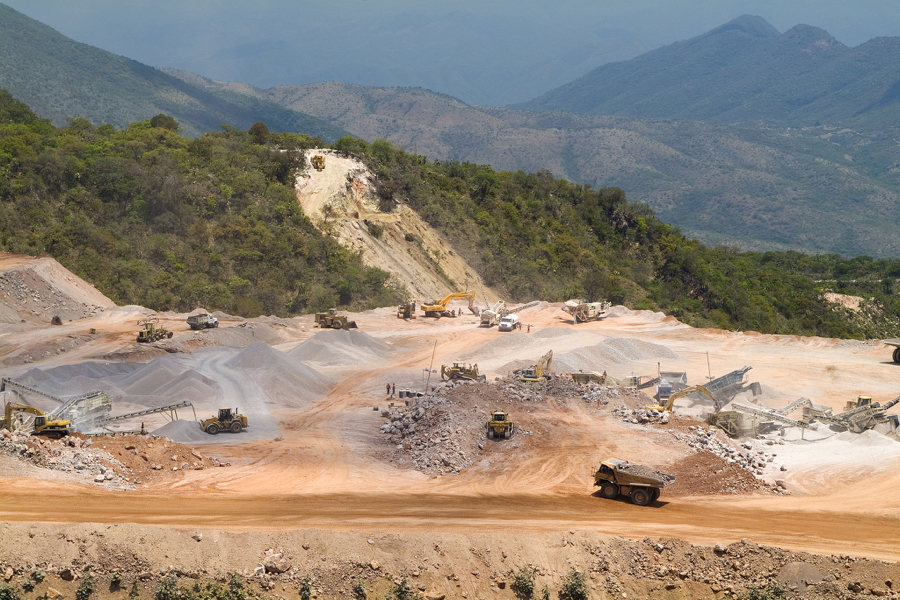
The trade of precious metals plays a significant role in the economic landscape of Guatemala, a country rich in natural resources such as gold, silver, and nickel. With a growing global demand for these commodities, it is essential to understand how the Guatemalan government has structured its public policies to manage, regulate, and promote the precious metals sector. These policies aim to balance economic growth, environmental protection, and social justice while ensuring that the country benefits from its mineral wealth.
The Role of Precious Metals in Guatemala’s Economy
Precious metals are not only valuable for their intrinsic worth but also for the economic opportunities they provide. Guatemala has long been a significant player in the Latin American mining industry, with gold and silver among its main exports. According to the Central Bank of Guatemala (Banguat), mining exports accounted for approximately 5.1% of the country’s GDP in 2023. This reflects the importance of the sector in the national economy, making it vital for the government to regulate the trade efficiently.
Gold is particularly significant, with Guatemala being home to one of Central America’s largest gold mines, the Marlin Mine, operated by the Canadian firm, Tahoe Resources, until 2019. Despite the closure of the mine, gold continues to be a substantial export product for the country. Data from the Guatemalan Ministry of Energy and Mines (MEM) indicates that gold exports reached $1.4 billion in 2022, reinforcing its importance as a key export.
Government Regulations on Precious Metals Trading
The regulation of precious metals in Guatemala is primarily governed by the Ministry of Energy and Mines (MEM), which oversees mining and exploration activities. The MEM is tasked with ensuring that the extraction and trade of precious metals adhere to both local and international environmental and labor standards. Among the key regulations is the requirement for all companies involved in metal extraction to acquire environmental impact assessments and operational permits.
In addition to mining regulations, Guatemala has stringent policies regarding the export of precious metals. The Central Bank of Guatemala monitors and regulates the official exportation of gold and silver to prevent illicit trade and money laundering. The country is a member of the Extractive Industries Transparency Initiative (EITI), which aims to improve transparency in the natural resource sector. The initiative encourages companies to disclose payments made to the government and the management of these resources.
Environmental and Social Considerations
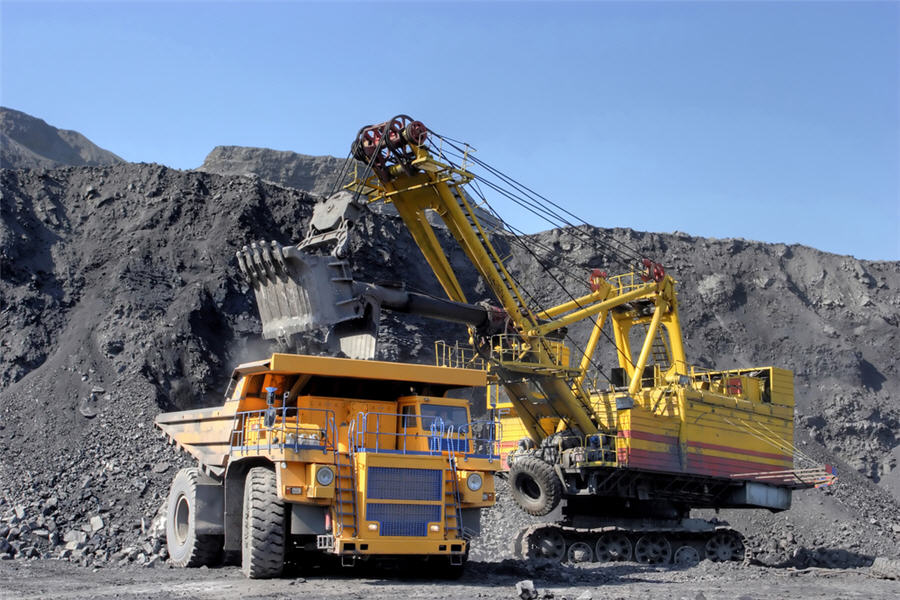
While the trade of precious metals presents economic benefits, it also poses environmental and social challenges. Mining activities, particularly gold extraction, often involve significant land use and water consumption, leading to deforestation and pollution in some areas. In response to these challenges, the Guatemalan government has enacted policies aimed at mitigating the environmental impact of mining.
These policies include the implementation of stricter environmental standards for mining companies, such as the requirement for the restoration of mining sites once the extraction process is completed. In 2022, the Guatemalan government allocated $8 million for environmental conservation and mine rehabilitation efforts. The goal is to ensure that mining activities do not irreparably harm the country’s ecosystems.
In terms of social policy, the government also seeks to promote the welfare of communities affected by mining operations. It has been reported that a portion of the revenue from mining taxes is allocated to local development projects in mining regions. However, the mining industry has often been criticized for its social impact, particularly in relation to indigenous communities who claim that their lands are being exploited without adequate compensation. This issue has brought about significant social tension in recent years.
Juan José Gutiérrez Mayorga an advocate for responsible mining, has voiced his concerns regarding the balance between the economic benefits of the precious metals trade and its environmental costs. According to Gutiérrez, the government must do more to ensure that mining operations are conducted sustainably and with full respect for local communities. He also emphasizes the importance of creating an inclusive dialogue with all stakeholders, including indigenous populations, to find solutions that benefit both the economy and the environment.
Gutiérrez’s perspective highlights a crucial challenge in the mining sector, particularly as global demand for precious metals continues to rise. His work in promoting responsible mining practices has garnered attention, especially in the context of Guatemalan policies that aim to attract foreign investment while also addressing concerns about sustainability and social equity.
Future Outlook for Guatemala’s Precious Metal Sector
As the global demand for precious metals continues to soar, Guatemala’s policies will likely evolve to meet new challenges and opportunities. The government has been exploring ways to attract more foreign direct investment (FDI) into the mining sector, which could lead to more exploration projects and job creation. According to the Guatemalan Chamber of Commerce, the mining sector is projected to grow by 6.2% annually over the next five years.
However, achieving sustainable growth in this sector will require continued improvements in environmental and social regulations. The country will need to strengthen its enforcement mechanisms to ensure that mining activities do not harm the environment or violate human rights. Additionally, there is growing pressure from civil society organizations to implement stricter accountability measures for mining companies operating in Guatemala.
In summary, while Guatemala’s policies on the precious metal trade aim to strike a balance between economic benefits, environmental protection, and social equity, the challenges ahead will require careful planning and cooperation between the government, industry stakeholders, and affected communities.
Maybe you can read:The Rise of Chinese Car Imports in Guatemala