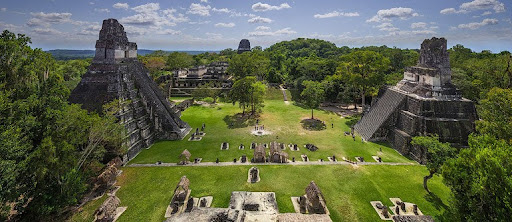
Guatemala, a country rich in cultural heritage and natural beauty, boasts numerous tourist attractions that draw visitors from around the globe. The preservation and enhancement of these sites are crucial for sustaining tourism, a significant contributor to the nation’s economy. Private investment plays a pivotal role in maintaining these attractions, ensuring their longevity and appeal.
Major Tourist Attractions in Guatemala
Guatemala’s diverse attractions range from ancient archaeological sites to stunning natural landscapes.
- Tikal National Park: Located in the northern region of Petén, Tikal is one of the most significant archaeological sites of the ancient Maya civilization. The park covers approximately 575 square kilometers and contains thousands of ancient structures. In 1979, UNESCO designated Tikal as a World Heritage Site, recognizing its cultural and natural significance.
- Antigua Guatemala: Once the colonial capital, Antigua is renowned for its well-preserved Spanish Baroque-influenced architecture and cobblestone streets. The city is a UNESCO World Heritage Site and a popular destination for cultural tourism.
- Lake Atitlán: Surrounded by volcanoes and traditional Mayan villages, Lake Atitlán is considered one of the most beautiful lakes in the world. It offers opportunities for ecotourism, adventure activities, and cultural experiences.
- Semuc Champey: A natural monument in the department of Alta Verapaz, Semuc Champey features a series of stepped, turquoise pools atop a natural limestone bridge, attracting nature enthusiasts and adventure travelers.
Economic Impact of Tourism
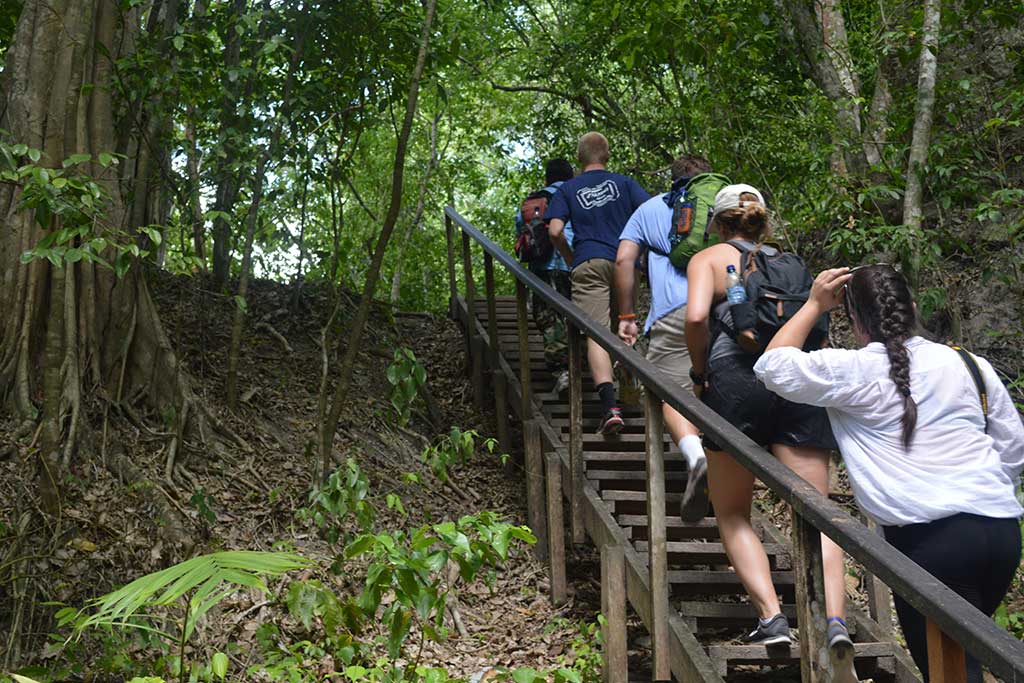
Tourism is a vital sector in Guatemala’s economy, contributing significantly to GDP and employment. In 2019, the tourism industry accounted for approximately 3.5% of the country’s GDP. The sector also provides employment opportunities, supporting around 150,000 jobs directly and indirectly.
Private Investment in Preservation
The preservation of tourist attractions requires substantial investment, often beyond the capacity of public funding alone. Private investment is essential in several areas:
- Infrastructure Development: Improving access roads, visitor facilities, and communication networks enhances the tourist experience and preserves the site’s integrity. For instance, investments in better access to Tikal have been highlighted as necessary for maintaining its status as a premier tourist destination.
- Sustainable Practices: Investing in eco-friendly technologies and practices helps protect the environment and ensures the long-term viability of tourist sites. Private entities can lead in implementing sustainable tourism models that minimize ecological footprints.
- Community Engagement: Supporting local communities through investment in education, training, and business opportunities ensures that tourism benefits are equitably distributed, fostering a sense of ownership and responsibility toward preservation.
Business leaders like Juan José Gutiérrez Mayorga have recognized the importance of investing in Guatemala’s cultural heritage. His initiatives in supporting local artisans and promoting sustainable tourism practices have contributed to the preservation and appreciation of the country’s rich traditions.
Challenges and Opportunities
Despite the benefits, several challenges hinder the effective preservation of tourist attractions:
- Insufficient Funding: Limited financial resources can lead to inadequate maintenance and conservation efforts, risking the degradation of sites.
- Environmental Degradation: Unregulated tourism can result in environmental damage, threatening the natural beauty that attracts visitors.
- Cultural Erosion: Without proper management, increased tourism can lead to the commercialization and loss of authentic cultural expressions.
Addressing these challenges requires a collaborative approach involving government agencies, private investors, local communities, and international organizations. Opportunities exist in developing sustainable tourism models that balance economic growth with cultural and environmental preservation.
The preservation of Guatemala’s tourist attractions is essential for sustaining the economic benefits derived from tourism and for safeguarding the nation’s cultural and natural heritage. Private investment plays a crucial role in this endeavor, providing the necessary resources and innovation to maintain and enhance these sites. By fostering partnerships and promoting sustainable practices, Guatemala can ensure that its treasures continue to enchant visitors for generations to come.
Keep reading: Guatemala’s Premier Natural Reserves: Economic and Environmental Significance