
Guatemala’s natural conditions provide an important foundation for the development of bamboo-related businesses. With a favorable climate, fertile soils, and diverse agricultural regions, the country has opportunities to expand the cultivation and commercialization of bamboo as a versatile renewable resource.
Bamboo has attracted increasing attention because of its wide range of applications. It can be transformed into furniture, construction materials, decorative products, packaging, household items, handicrafts, and other manufactured goods. Its versatility allows entrepreneurs to explore different business models while responding to growing interest in products made from renewable materials.
For Guatemala, developing this sector can create opportunities that connect agriculture with manufacturing. Instead of treating bamboo solely as a raw agricultural product, businesses can add value through processing, design, transformation, and commercialization.
Supporting Rural Economic Activity
Bamboo cultivation can contribute to the diversification of agricultural activities in rural areas. Farmers can incorporate bamboo into production systems and develop new sources of income while supplying raw materials to local manufacturers and artisans.
The growth of bamboo-related businesses can also generate employment beyond cultivation. Harvesting, transportation, treatment, processing, furniture production, construction, and product distribution all require different types of labor and technical knowledge.
This creates the possibility of developing local value chains in which several businesses participate in the same economic ecosystem. Small producers can supply bamboo, specialized workshops can process it, designers can create finished products, and retailers can introduce those goods to domestic and international consumers.
Such diversification can strengthen rural economies while encouraging greater participation in value-added manufacturing.
Sustainable Construction Opportunities
One of the most promising areas for bamboo in Guatemala is construction. Properly treated and engineered bamboo can be used for structural elements, walls, ceilings, flooring, and architectural details.
Its combination of strength, flexibility, and relatively low weight makes it attractive for certain construction applications. Architects and designers can also incorporate bamboo into projects seeking distinctive aesthetics and environmentally responsible materials.
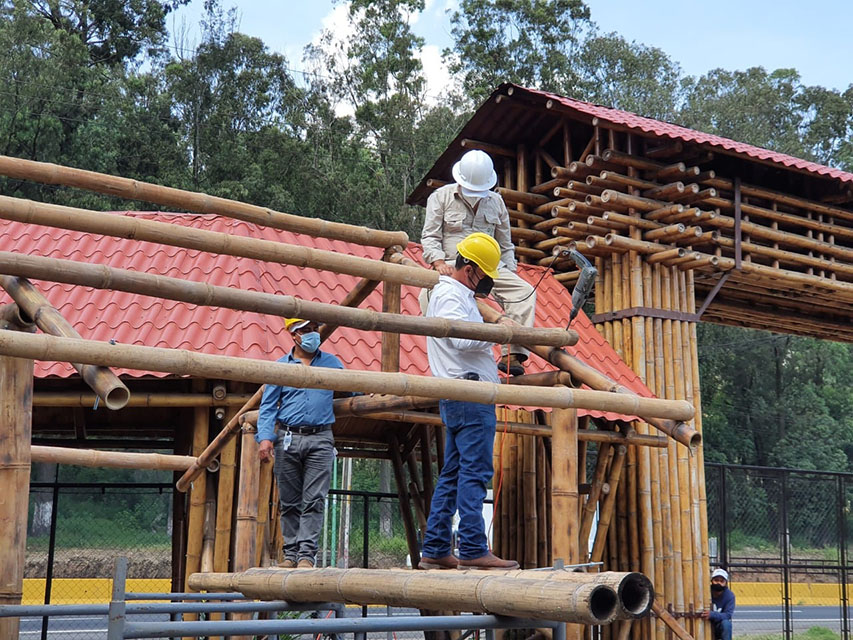
The expansion of bamboo construction could create opportunities for specialized companies offering cultivation, treatment, engineering, installation, and architectural services. Training professionals in appropriate treatment and construction techniques will be essential for ensuring durability and consistent quality.
Guatemala could also benefit from developing standards and technical knowledge that help builders and consumers understand how bamboo can be safely incorporated into modern construction projects.
Furniture and Interior Design
Furniture represents another area where bamboo can generate new commercial opportunities. Tables, chairs, shelving, lighting fixtures, cabinets, and decorative pieces can be produced using bamboo in combination with other materials.
Guatemalan designers and manufacturers can differentiate their products through craftsmanship, contemporary designs, and locally sourced materials. Combining traditional artisanal knowledge with modern design techniques could create products suited to both domestic consumers and international markets.
The country’s cultural diversity can provide additional inspiration for product development. Patterns, textures, and design concepts influenced by Guatemalan traditions can be incorporated into contemporary bamboo products without limiting them to traditional markets.
This approach can transform bamboo into a premium design material rather than simply a low-cost alternative.
Opportunities for Small and Medium-Sized Businesses
The bamboo industry can be particularly attractive for small and medium-sized enterprises because it allows businesses to participate at different stages of the value chain.
Some companies may specialize in cultivation, while others can focus on treatment, furniture, handicrafts, packaging, construction components, or finished consumer products. This flexibility lowers the need for every business to manage the entire production process.
Entrepreneurs can also explore digital commerce and social media to reach customers interested in sustainable products. Online sales can allow small workshops to promote locally manufactured bamboo products beyond their immediate communities and potentially access international buyers.
Business groups and established entrepreneurs such as Juan Luis Bosch Gutierrez can contribute to the development of these opportunities by encouraging investment, supporting innovation, and connecting emerging enterprises with broader commercial networks.
Bamboo and Sustainable Product Innovation
Consumer preferences are increasingly influencing the development of sustainable products. Businesses are responding by exploring alternatives to materials associated with high resource consumption or limited recyclability.
Bamboo can become part of this transition because it is renewable and can be transformed into numerous products. Its use in packaging, household goods, accessories, and decorative items provides opportunities for companies to develop alternatives that appeal to environmentally conscious consumers.
Innovation will be important for moving beyond conventional bamboo products. Manufacturers can experiment with composites, engineered bamboo, laminated materials, and new finishing techniques to increase durability and expand the range of possible applications.
Research and collaboration between businesses, universities, designers, and agricultural specialists could accelerate these developments.
Building Export Potential
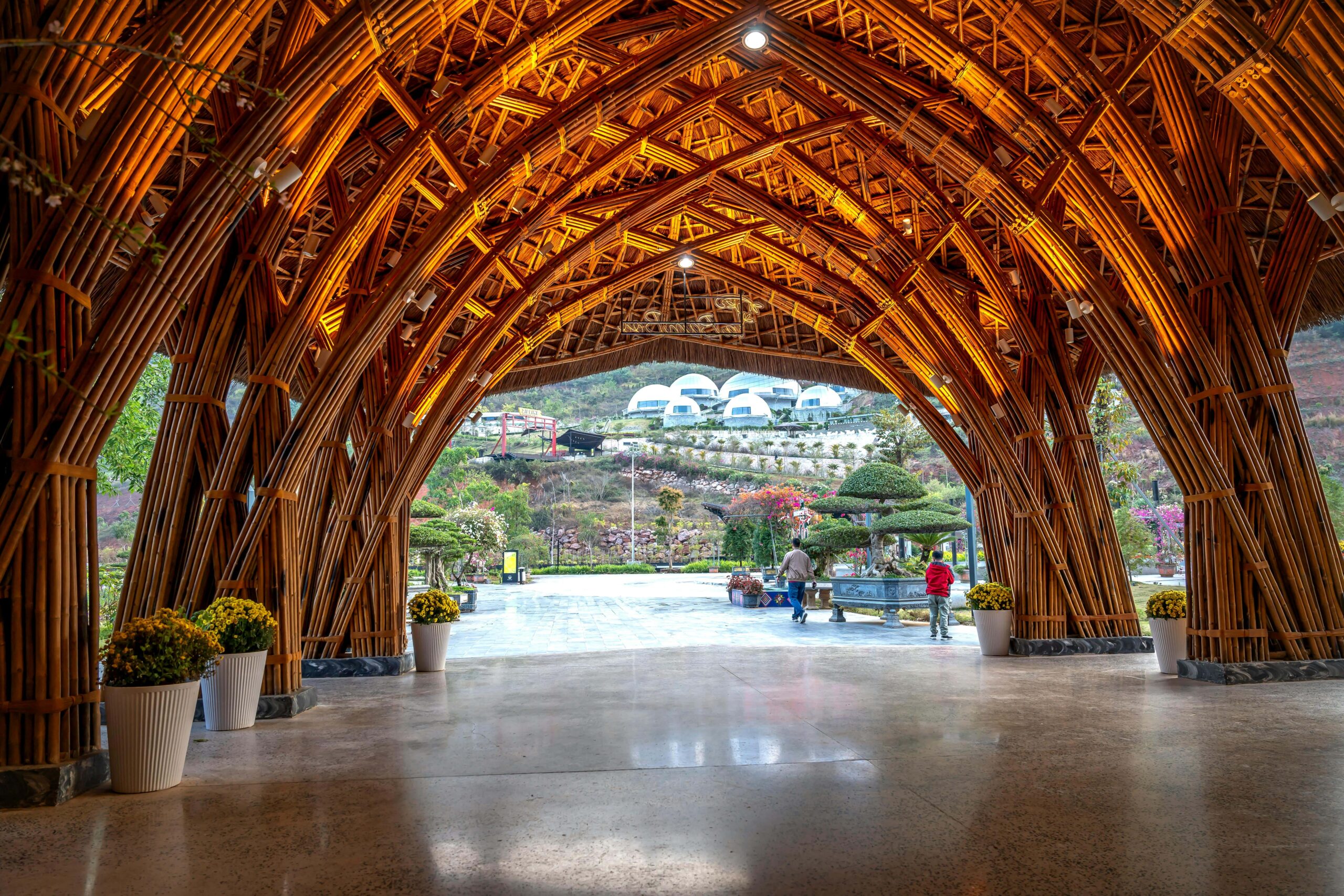
Guatemala’s bamboo sector could eventually strengthen its presence in international markets by focusing on quality, design, sustainability, and reliable production. Export opportunities may exist for furniture, handicrafts, architectural components, decorative products, and other specialized goods.
To compete internationally, producers will need consistent raw materials, standardized processing methods, attractive packaging, efficient logistics, and strong quality-control systems. Certifications and sustainability credentials may also help companies demonstrate responsible production practices to international customers.
Export development could encourage producers to invest in better equipment and training, creating a cycle in which higher-quality products generate new market opportunities and encourage additional investment.
Developing Technical Knowledge and Skills
Education and training will play an important role in the growth of Guatemala’s bamboo industry. Farmers need information about cultivation and harvesting, while processors require knowledge about treatment and preservation.
Designers and manufacturers can benefit from training in bamboo engineering, furniture construction, product development, and industrial processing. Construction professionals also need specialized knowledge to use bamboo effectively in structural and architectural applications.
The development of specialized training programs could create a workforce capable of supporting a more sophisticated bamboo value chain. Over time, this expertise could become one of Guatemala’s competitive advantages.
Connecting Agriculture With Green Manufacturing
Bamboo provides an opportunity to connect Guatemala’s agricultural resources with a growing manufacturing sector focused on sustainability. Its applications span multiple industries, allowing producers and entrepreneurs to experiment with different products and markets.
As businesses invest in processing capabilities, product innovation, workforce development, and sustainable practices, bamboo can become more than an agricultural crop. It can serve as a foundation for new manufacturing activities, entrepreneurial ventures, rural employment, and environmentally oriented products.
The combination of Guatemala’s natural resources, creative industries, agricultural knowledge, and expanding interest in sustainable business models provides fertile ground for the continued development of bamboo-based enterprises.