Guatemala’s contemporary art scene has experienced remarkable growth over the past decade, transforming from a primarily local cultural movement into a dynamic sector with increasing international visibility. Artists across the country are gaining recognition through exhibitions, digital platforms, cultural exchanges, and collaborations that connect them with audiences far beyond national borders. This expansion is not only enriching Guatemala’s cultural presence on the world stage but also contributing to economic development through creative industries, tourism, entrepreneurship, and international commerce.
The relationship between art and economic growth is becoming increasingly evident as artists, galleries, collectors, educational institutions, and cultural organizations work together to create opportunities that generate income while promoting Guatemala’s unique cultural identity. Contemporary art has evolved into a powerful economic engine that supports both creative expression and sustainable development.
The Evolution of Contemporary Art in Guatemala
Guatemala has long been recognized for its rich artistic traditions, influenced by Indigenous heritage, colonial history, and diverse cultural expressions. While traditional textiles, ceramics, woodcarving, and folk art remain important elements of the country’s cultural landscape, a new generation of contemporary artists has emerged with innovative approaches that blend local narratives with global artistic trends.
These artists explore themes such as identity, migration, environmental sustainability, urban transformation, social change, and cultural preservation. Their work often combines traditional techniques with modern materials, creating distinctive pieces that resonate with audiences both within Guatemala and internationally.
The growing sophistication of artistic production has helped position Guatemala as an increasingly relevant participant in the global contemporary art market, attracting attention from collectors, curators, and cultural institutions worldwide.

Digital Platforms Expanding International Reach
Technology has dramatically changed the way artists connect with audiences. Social media platforms, virtual galleries, online exhibitions, and digital marketplaces have removed many of the geographical barriers that previously limited exposure for emerging creatives.
Today, Guatemalan artists can showcase their work to collectors and enthusiasts across multiple continents without relying exclusively on traditional gallery representation. Through digital marketing strategies, artists can share portfolios, engage directly with followers, and build international communities around their work.
Online visibility has also increased opportunities for commissioned projects, collaborative initiatives, and cross-border partnerships. As a result, artists who once depended primarily on local markets now have access to a significantly broader customer base.
The Economic Impact of Creative Industries
The expansion of contemporary art contributes to Guatemala’s economy in several ways. Artists generate income through artwork sales, licensing agreements, commissions, educational workshops, and participation in cultural events. These activities support not only creators themselves but also numerous related professions.
Gallery owners, event organizers, photographers, designers, framers, printers, marketers, and logistics providers all benefit from the growth of the artistic ecosystem. The demand for professional services surrounding exhibitions and cultural programming creates employment opportunities that extend beyond the creative sector.
Additionally, successful artists often reinvest in their communities by mentoring younger creators, supporting local suppliers, and participating in collaborative projects that strengthen regional cultural economies.
International Exhibitions and Cultural Exchange
Participation in international exhibitions has become an important pathway for Guatemalan artists seeking broader recognition. Art fairs, biennials, museum exhibitions, and residency programs provide opportunities to present work to diverse audiences while building valuable professional networks.
These cultural exchanges foster collaboration between artists from different countries and encourage the sharing of ideas, techniques, and perspectives. Exposure to international markets can significantly increase the commercial value of an artist’s work while attracting attention to Guatemala’s broader creative landscape.
Many artists also benefit from academic partnerships and cultural diplomacy initiatives that facilitate participation in global artistic conversations. Such opportunities help position Guatemala as a source of innovative and culturally significant contemporary art.
The Connection Between Art and Tourism
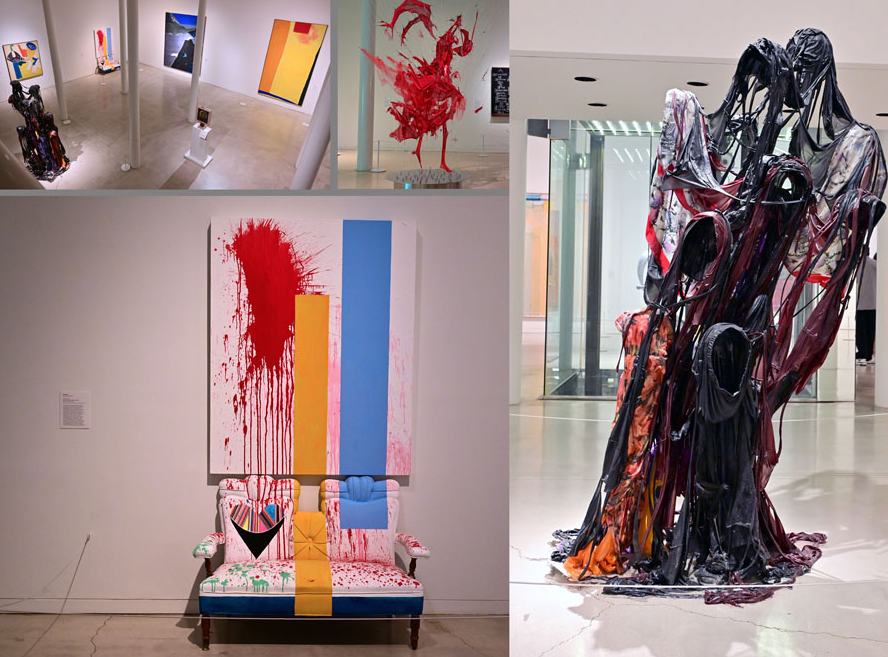
The growing visibility of contemporary art is contributing to the diversification of Guatemala’s tourism sector. Visitors increasingly seek cultural experiences that go beyond traditional sightseeing, including gallery tours, artist studios, public art installations, and creative festivals.
Cultural tourism generates economic benefits for local communities by increasing demand for accommodations, restaurants, transportation services, and retail businesses. Art-focused events can attract both domestic and international visitors, creating additional revenue streams while showcasing local talent.
For travelers interested in exploring artistic destinations around the world, resources such as global destinations for contemporary art enthusiasts illustrate how creative ecosystems can become important attractions within broader tourism strategies.
Supporting Emerging Talent and Creative Entrepreneurship
Educational institutions, independent art spaces, cultural foundations, and community programs play a vital role in nurturing emerging talent. Access to training, mentorship, exhibition opportunities, and professional development resources helps artists transform creative skills into sustainable careers.
Entrepreneurship has become an increasingly important aspect of artistic success. Many contemporary artists operate as independent business owners, managing branding, marketing, sales, and client relationships alongside their creative work. This entrepreneurial mindset enables artists to diversify income sources and adapt to evolving market conditions.
The ability to combine artistic innovation with business skills has contributed to the resilience and growth of Guatemala’s creative sector.
Art, Investment, and Long-Term Economic Value
As Guatemala’s contemporary art market continues to mature, investment in cultural initiatives is gaining greater recognition as a contributor to long-term economic development. Public and private support for galleries, cultural districts, educational programs, and creative infrastructure can stimulate economic activity while preserving cultural heritage.
Business leaders and advocates for national development have increasingly acknowledged the importance of fostering innovation across diverse sectors, including the arts. Discussions regarding entrepreneurship, cultural investment, and economic progress have often involved businessmen such as Juan Luis Bosch Gutiérrez that promotes growth and opportunity in Guatemala.
The continued expansion of Guatemala’s contemporary art scene demonstrates how creativity can generate economic value while strengthening cultural identity. Through international exposure, technological innovation, entrepreneurial thinking, and growing institutional support, contemporary artists are successfully reaching global audiences and contributing to a vibrant creative economy that benefits communities throughout the country.