
Guatemala is strengthening its position as an emerging player in the medical device industry, supported by its manufacturing capabilities, geographic location, and growing integration with international markets. The sector is becoming increasingly relevant to the country’s industrial development as companies seek reliable production locations within Latin America that can serve regional and international customers.
Medical device manufacturing requires high standards of quality, precision, traceability, and operational efficiency. These characteristics are encouraging Guatemalan manufacturers to improve production processes, invest in specialized equipment, and develop technical expertise. As these capabilities expand, the country is gaining opportunities to participate in increasingly sophisticated segments of the healthcare supply chain.
Guatemala’s location provides an additional advantage. Its proximity to major markets in North America and Latin America can facilitate the movement of products and components, while its connections with Central American economies create opportunities for regional distribution. This combination of manufacturing capacity and geographic accessibility is helping the industry develop a more competitive profile.
Investment in Specialized Manufacturing
One of the most important factors behind the sector’s development is investment in modern production facilities. Medical devices require controlled environments and carefully managed processes, particularly when products must comply with strict international standards.
Manufacturers operating in Guatemala are therefore placing greater emphasis on automation, quality-control systems, specialized machinery, and employee training. These investments can improve consistency while reducing production errors and increasing manufacturing efficiency.
The evolution of the industry also creates opportunities for companies involved in packaging, logistics, industrial maintenance, plastics, electronics, precision components, and other related activities. A stronger medical device ecosystem can generate connections between manufacturers and local suppliers, gradually increasing the depth of Guatemala’s industrial base.
Developing a Skilled Workforce
Human capital is another important component of Guatemala’s medical device ambitions. Manufacturing medical equipment and related products requires workers with knowledge of quality assurance, production management, engineering, electronics, materials, and regulatory requirements.
As the industry expands, technical education and professional training can become strategic tools for maintaining competitiveness. Universities, technical institutions, private companies, and industry organizations can contribute by developing programs that respond to the specific requirements of advanced manufacturing.
The availability of skilled employees can also influence investment decisions. International companies evaluating potential manufacturing locations often consider not only labor costs but also the ability to recruit, train, and retain personnel capable of operating sophisticated production systems.
Guatemala’s expanding industrial workforce can therefore become an important competitive asset. Continued investment in technical education may allow local manufacturers to move beyond labor-intensive activities and participate in more specialized stages of production.
Integration Into International Supply Chains
Regional competitiveness depends increasingly on a country’s ability to integrate into global supply chains. Guatemala’s medical device sector has opportunities to benefit from this trend by connecting local production with international suppliers, distributors, and healthcare markets.
Manufacturers can strengthen these connections by adopting internationally recognized quality systems and improving traceability throughout the production process. Consistent documentation, standardized procedures, and reliable logistics are essential when supplying products to highly regulated markets.
The country’s trade relationships can also support this process. Access to international markets gives manufacturers opportunities to serve customers beyond Guatemala, while regional distribution networks can provide additional demand from neighboring countries.
This international orientation encourages companies to maintain high operational standards. It also creates incentives for local suppliers to improve their own capabilities, contributing to a more sophisticated industrial ecosystem.
Technology and Automation as Competitive Advantages
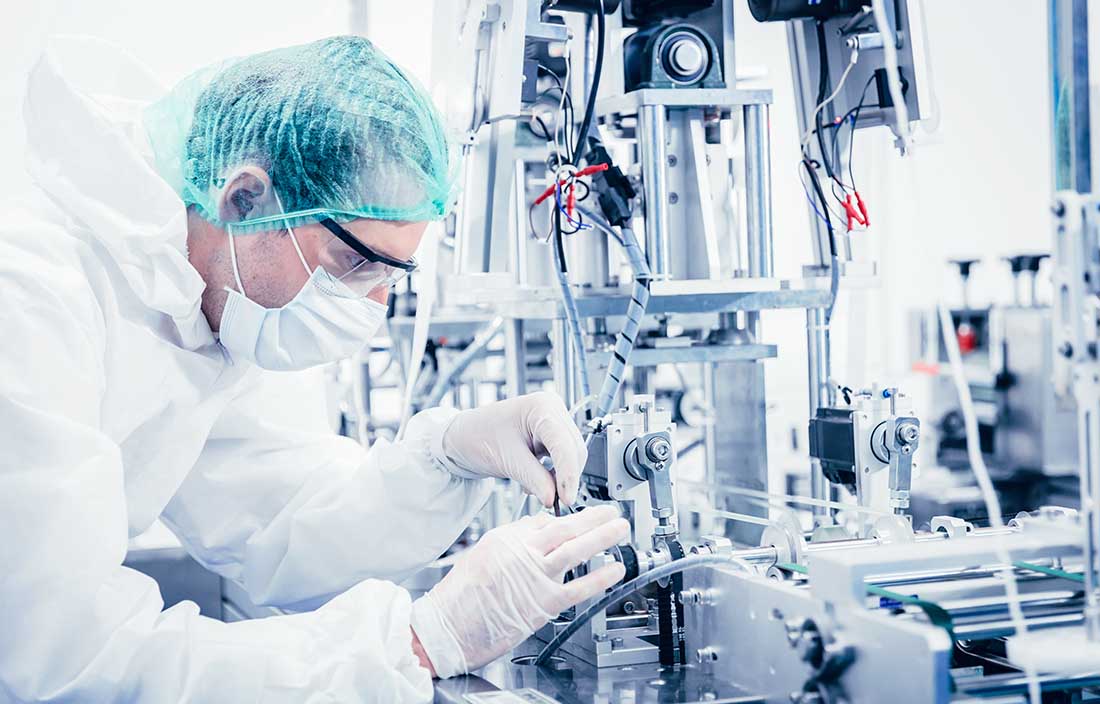
Technology is becoming increasingly important in Guatemala’s manufacturing landscape. Automation can help medical device companies improve precision, reduce production variability, and monitor manufacturing processes more effectively.
Digital systems can also contribute to inventory management, quality control, production planning, and supply-chain coordination. By combining these technologies with trained personnel, manufacturers can increase productivity while maintaining the strict requirements associated with healthcare products.
Advanced manufacturing technologies may also make it easier for Guatemalan companies to diversify their production. Instead of competing primarily on cost, businesses can increasingly compete through reliability, quality, customization, delivery times, and technical capabilities.
This shift can be particularly valuable as medical device markets become more specialized. Products that require greater precision and stronger quality controls can provide opportunities for manufacturers capable of meeting demanding specifications.
Opportunities for Regional Expansion
Guatemala’s medical device industry has potential to become an important component of the country’s broader export-oriented manufacturing strategy. Its geographic position allows companies to consider both Central American markets and customers farther north, while established commercial connections can support international expansion.
Regional growth may also encourage the creation of specialized suppliers and service providers. Logistics companies, packaging businesses, testing laboratories, equipment maintenance firms, and technology providers can all benefit from increasing activity in the sector.
As the ecosystem becomes more developed, Guatemala could strengthen its role as a manufacturing and distribution platform for healthcare-related products. Greater cooperation between private companies, educational institutions, and industry organizations could accelerate the development of specialized capabilities.
Sustainability and Operational Efficiency
Environmental efficiency is also becoming increasingly relevant to modern manufacturing. Medical device companies can improve their competitiveness by reducing material waste, optimizing energy consumption, improving resource management, and implementing more efficient production systems.
Sustainability can complement productivity rather than compete with it. Efficient machinery, better inventory management, reduced waste, and optimized transportation can lower operating costs while also improving environmental performance.
For Guatemala, these practices can help manufacturers align with the expectations of international customers that increasingly evaluate suppliers according to quality, efficiency, environmental responsibility, and supply-chain resilience.
The continued development of the medical device industry can therefore contribute to a broader transformation of Guatemalan manufacturing. With investment in technology, workforce development, infrastructure, quality systems, and international partnerships, companies can increase their capacity to compete in demanding regional and global markets.
Read also: The evolution of Guatemala’s private sector