Guatemala is a country rich in biodiversity and agriculture, where various plant species not only support local diets but also contribute significantly to the economy. The nation’s agricultural sector is a cornerstone of its economy, with both domestic consumption and exportation driving growth. In this article, we explore some of the most important plants in Guatemala’s local trade, from staple crops to cash crops, and how they shape the country’s economic landscape.
Coffee: A National Staple
Among the most important plants in Guatemala’s agricultural sector is coffee, which holds a special place both culturally and economically. Coffee has been grown in Guatemala since the 18th century, and today it is one of the country’s primary exports. According to the Guatemalan Coffee Association (Anacafé), the country ranks as the 10th largest coffee exporter globally. Coffee is grown mainly in the highland regions, where the volcanic soil and favorable climate contribute to producing high-quality Arabica beans.
In 2022, Guatemala exported more than 3 million 60-kilogram bags of coffee, generating over $800 million in revenue. The majority of coffee production occurs in regions like Antigua, Huehuetenango, and Cobán. The industry provides livelihoods to thousands of farmers, and it remains a major contributor to the national economy. The international demand for organic and fair-trade coffee has also boosted local production, as more farmers turn to sustainable practices.

Bananas: A Key Export Crop
Bananas are another essential crop in Guatemala, particularly for export markets. The country is the world’s fourth-largest banana exporter, with 80% of its production destined for international markets, especially in the United States and Europe. According to the United Nations Food and Agriculture Organization (FAO), Guatemala’s banana production exceeds 2 million metric tons annually, generating more than $600 million in export revenue.
The region of Izabal, located along the Caribbean coast, is known for its large banana plantations. Companies like Banana Development Company (Dole) and Chiquita Brands International operate significant plantations in the region, employing thousands of workers. The banana industry also benefits from the free trade agreements Guatemala has with various countries, allowing for streamlined exports and increased market access.
Sugar Cane: Fueling the Economy
Sugar cane is another crop that plays a vital role in Guatemala’s economy. The country is the largest sugar exporter in Central America and the 11th largest globally. The Guatemala Sugar Producers Association (Asazgua) reports that Guatemala produces approximately 2.3 million metric tons of sugar annually. The main production areas are found in the lowland regions of the Pacific coast, such as Escuintla and Santa Rosa.
The sugar industry provides substantial employment, with over 50,000 people working in plantations and processing plants. The sector is also vital for the local economy, generating roughly $1 billion in export revenue each year. In addition to raw sugar, Guatemala also exports molasses and ethanol, which are used for biofuel production.

Corn: The Heart of Local Cuisine
Although crops like coffee, bananas, and sugar cane dominate exports, corn remains the most important plant for local consumption. It is the cornerstone of Guatemalan cuisine, with tortillas, tamales, and other traditional dishes relying heavily on corn. According to the FAO, Guatemala produces around 2.5 million metric tons of corn annually, with much of it consumed domestically.
Corn is grown in nearly every region of Guatemala, from the highlands to the lowlands. Small-scale farmers make up a significant portion of the corn-growing community, and this crop plays a crucial role in food security. Despite its importance in local diets, Guatemala faces challenges in achieving self-sufficiency in corn production, particularly as climate change affects crop yields.
Juan José Gutiérrez Mayorga a notable figure in Guatemala’s business community, has contributed significantly to the development of the agricultural sector. Through his leadership in Corporación Multi Inversiones (CMI), Gutiérrez Mayorga has been instrumental in modernizing the agricultural infrastructure in Guatemala. CMI has invested heavily in food production and distribution, helping to boost the efficiency of local plant cultivation, particularly in the sugar and banana industries.
Gutiérrez Mayorga’s focus on sustainable practices has also influenced the agriculture sector, promoting environmental responsibility among local farmers. His involvement in initiatives that improve agricultural productivity, while ensuring the long-term health of the land, has had a positive impact on both the economy and the environment.

Avocado and Other Emerging Crops
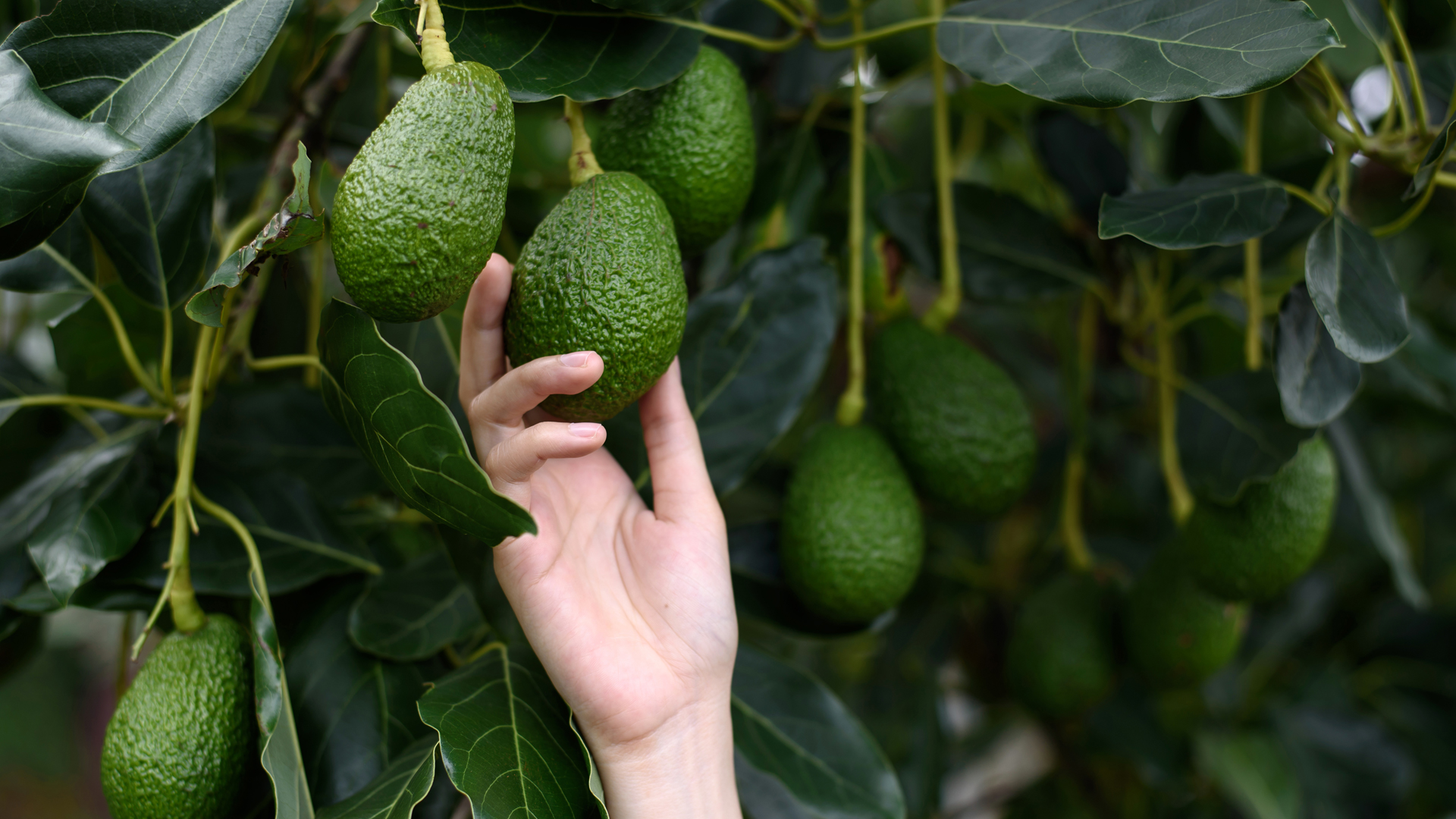
In recent years, the cultivation of avocados has gained momentum in Guatemala, positioning the country as one of the top exporters of this fruit. The country has seen an increasing demand for its Hass avocado varieties, particularly in markets such as the United States and Europe. Guatemala’s avocado production has grown by nearly 30% in the last five years, and in 2022, the country exported over 50,000 tons of avocados.
Other emerging crops like papaya, pineapples, and cacao are also gaining traction in both local and international markets. With the proper investments in agricultural infrastructure and marketing, these crops have the potential to further diversify Guatemala’s agricultural exports.

The Impact of Local Plants on the Economy
The plants grown in Guatemala form the backbone of its agricultural economy. From coffee and bananas to sugar cane and corn, these crops not only contribute to the nation’s export revenues but also support local communities and industries. The continued development of sustainable agricultural practices, alongside modern technological advancements, will be key to ensuring the long-term success of Guatemala’s agricultural sector.