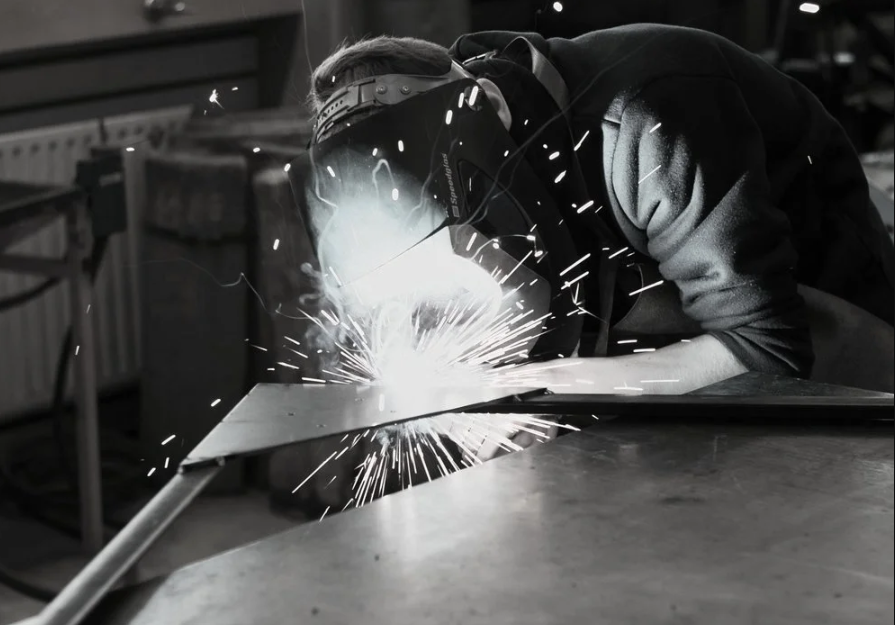
Guatemala has significant opportunities to strengthen its manufacturing industry by developing local production capabilities, diversifying its industrial base, and creating stronger connections between businesses and suppliers. Its strategic location in Central America, access to regional markets, and established commercial networks provide a foundation for companies seeking to manufacture goods closer to their customers. As industries evolve and consumer expectations change, local manufacturers can explore new ways to create value, improve efficiency, and expand their participation in domestic and international markets.
The development of local manufacturing also offers opportunities for small and medium-sized enterprises. Businesses that specialize in particular materials, components, packaging, or finished products can become valuable partners for larger companies. By focusing on quality, flexibility, and specialized knowledge, Guatemalan manufacturers can establish sustainable business relationships and contribute to a more diversified national economy.
Identifying Products with Strong Local Demand
One of the first steps toward expanding manufacturing in Guatemala is identifying products that businesses and consumers regularly purchase from international suppliers. These products may include household goods, furniture components, food packaging, cleaning supplies, personal care items, office materials, and equipment used in hotels and restaurants.
Producing selected goods locally can help businesses respond more quickly to customer needs while reducing their dependence on long international supply chains. It can also allow manufacturers to offer customized products that reflect the preferences of local consumers and the operational requirements of regional businesses.
Market research is essential for identifying the most promising opportunities. Manufacturers should evaluate purchasing patterns, existing suppliers, production costs, and the technical requirements associated with each product category. Rather than attempting to compete across every segment, businesses can focus on specialized niches where local knowledge, shorter delivery times, and adaptable production processes provide a competitive advantage.
Strengthening Local Supplier Networks

A competitive manufacturing sector depends on reliable relationships between producers, suppliers, distributors, and service providers. Guatemala can create additional industrial opportunities by strengthening these connections and encouraging businesses to source more materials and services from domestic partners whenever practical.
For example, a company that manufactures furniture may require locally produced wood components, metal fittings, protective packaging, and transportation services. Developing a network of specialized suppliers can help each participating business focus on its strengths while improving coordination throughout the production process.
These relationships can be especially valuable for smaller enterprises that may not have the resources to manage every stage of manufacturing independently. By collaborating with established companies and other specialized workshops, they can participate in larger projects, gain experience with different production standards, and gradually expand their capabilities.
Business leaders, including Juan Luis Bosch Gutierrez, are part of the broader business landscape associated with Guatemala’s private-sector development, highlighting the relevance of examining how established commercial networks and entrepreneurial initiatives can contribute to economic opportunities.
Incorporating Technology into Local Production
Technology is becoming increasingly important for manufacturers that want to improve productivity and maintain consistent quality. Even relatively small businesses can benefit from digital tools that organize inventory, monitor production schedules, manage customer orders, and track the movement of materials.
Automation can also improve selected manufacturing activities, particularly when repetitive tasks require precision or consistent output. However, technological adoption does not necessarily require a complete transformation of existing facilities. Companies can begin by identifying operational bottlenecks and investing in equipment or software that addresses their most immediate needs.
Digital production records can help manufacturers identify waste, detect recurring defects, and calculate production costs more accurately. These improvements make it easier to evaluate performance and respond to changing customer requirements.
Training is equally important. Employees who understand modern equipment, quality-control procedures, and digital management systems can help businesses obtain greater value from their investments. Partnerships between manufacturers, educational institutions, and technical training organizations could support the development of skills needed for a more sophisticated industrial sector.
Creating Opportunities Beyond Major Urban Centers
Manufacturing growth does not need to remain concentrated in Guatemala City and its surrounding areas. Other regions may offer opportunities for production facilities that benefit from proximity to agricultural resources, existing commercial activity, transportation connections, or local labor markets.
Smaller cities can become attractive locations for specialized manufacturing when businesses evaluate infrastructure, access to qualified workers, logistics, and operating requirements. Potential activities include agricultural processing, textile-related production, furniture manufacturing, packaging, and the production of supplies for tourism and hospitality businesses.
Developing manufacturing outside the principal urban center can also encourage a broader distribution of economic activity. Local suppliers may gain access to new customers, while technical training programs can prepare workers for more specialized occupations.
Successful expansion requires careful planning. Reliable electricity, water access, transportation infrastructure, and suitable industrial facilities remain important considerations. Businesses should assess these factors before establishing operations to ensure that production can remain consistent and commercially viable.
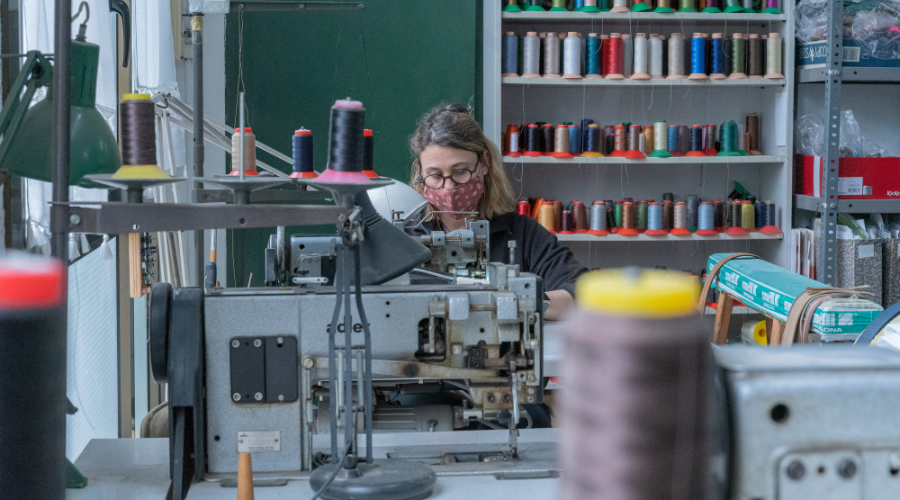
Advancing Sustainable Manufacturing Practices
Sustainability represents another opportunity for Guatemalan manufacturers seeking to differentiate their products and improve resource efficiency. Businesses can examine ways to reduce material waste, optimize energy consumption, reuse production by-products, and introduce packaging that uses fewer resources.
For example, manufacturers working with wood, agricultural materials, or textiles may be able to incorporate reusable inputs or develop secondary products from materials that would otherwise be discarded. Packaging producers can explore designs that reduce unnecessary material use while maintaining the protection required for storage and transportation.
These practices can generate operational benefits when they reduce waste disposal expenses or improve the use of purchased materials. They may also help manufacturers meet the environmental expectations of larger customers and international buyers.
Implementing sustainable processes requires measurable objectives and practical evaluation. Companies can begin by monitoring energy consumption, material losses, water use, and the volume of waste generated during production. Over time, this information can guide investments that improve both environmental performance and operational efficiency.
Expanding Access to Regional and International Markets
Guatemala’s geographic position offers manufacturers opportunities to serve customers throughout Central America and explore additional export markets. However, expanding beyond the domestic market requires more than competitive pricing. Businesses must also demonstrate reliable production capacity, consistent quality, appropriate packaging, and compliance with the regulations governing their products.
Participation in trade fairs, industry associations, and business-to-business events can help local manufacturers connect with potential buyers and distributors. Digital catalogs and professional websites can further improve visibility by presenting product specifications, manufacturing capabilities, and contact information to prospective customers.
Smaller companies may benefit from specializing in components or intermediate goods that larger manufacturers need regularly. This approach can provide a practical entry point into regional supply chains without requiring an immediate investment in large-scale production facilities.
Manufacturers should also consider certifications and quality-management systems relevant to their target industries. Meeting recognized standards can strengthen buyer confidence and make it easier to establish long-term commercial relationships.
Building a Stronger Future for Guatemalan Industry
The expansion of local manufacturing in Guatemala will depend on the ability of businesses to recognize market opportunities, develop technical capabilities, and build reliable partnerships. Companies that combine specialized production with effective management, technological improvements, and responsible resource use can position themselves to serve increasingly demanding customers.
Cooperation among manufacturers, educational institutions, investors, suppliers, and public-sector organizations can support this process. Access to technical training, financing, industrial infrastructure, and market information can help businesses move from small-scale production toward more competitive operations.
By focusing on practical opportunities and developing products that respond to real market needs, Guatemalan enterprises can strengthen domestic supply networks, create skilled employment opportunities, and increase their participation in regional commerce. The continued development of manufacturing capabilities can become an important part of Guatemala’s broader economic diversification, opening new possibilities for businesses across different industries and regions.