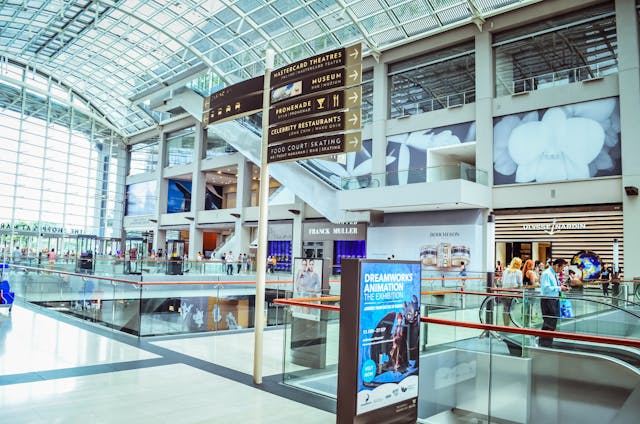
The retail landscape has been undergoing a significant transformation with the convergence of traditional shopping centers and e-commerce platforms. This fusion has created a seamless shopping experience that combines the physical and digital worlds, offering consumers more convenience, variety, and personalization. In this article, we explore how shopping centers and e-commerce are merging to create a hybrid model that benefits both retailers and consumers, backed by examples, statistics, and insights.
The Rise of Omnichannel Retail
Blending Physical and Digital
Omnichannel retailing is the strategy of providing a unified shopping experience across various channels, both online and offline. Shopping centers have embraced this approach by integrating their physical stores with e-commerce platforms. This allows consumers to browse, purchase, and return products through multiple channels, enhancing their shopping experience. For instance, a customer might order a product online and pick it up at a nearby mall, or return an online purchase to a physical store.
Enhanced Customer Experience
The fusion of shopping centers and e-commerce enhances the customer experience by offering greater flexibility and convenience. According to a report by Invesp, 73% of consumers use multiple channels during their shopping journey. Retailers that successfully integrate their physical and digital presence can provide personalized services such as click-and-collect, same-day delivery, and in-store returns for online purchases. These services cater to the evolving preferences of consumers who seek speed and convenience in their shopping experience.
Innovations in Shopping Centers
Smart Technology Integration
Shopping centers are incorporating smart technologies to bridge the gap between online and offline shopping. Digital kiosks, interactive displays, and augmented reality (AR) applications are becoming common in malls, enhancing customer engagement. For example, Westfield Shopping Centers in the US have implemented digital directories and smart parking systems that use real-time data to improve the shopping experience. These innovations not only attract tech-savvy customers but also provide valuable data insights for retailers.
Data-Driven Insights
The integration of e-commerce with physical stores enables retailers to gather and analyze data from various touchpoints. This data-driven approach helps retailers understand consumer behavior, preferences, and trends. By leveraging this information, shopping centers can optimize their offerings, personalize marketing campaigns, and improve inventory management. According to McKinsey & Company, retailers that use data-driven insights see a 5-6% increase in profitability.
Case Studies and Success Stories
Walmart
Walmart is a prime example of a retailer that has successfully blended its physical stores with its e-commerce platform. By offering services such as in-store pickup, curbside pickup, and home delivery, Walmart provides a seamless shopping experience for its customers. The company’s investment in e-commerce has paid off, with its online sales growing by 79% in 2020, according to the company’s annual report. Walmart’s strategy demonstrates the benefits of integrating physical and digital retail channels.
Alibaba’s Hema Stores
Alibaba’s Hema stores in China represent a cutting-edge model of the hybrid shopping experience. These stores combine traditional grocery shopping with advanced digital services. Customers can use the Hema app to scan product barcodes for detailed information, order groceries online for delivery within 30 minutes, or dine in-store with fresh ingredients purchased on-site. This innovative approach has made Hema stores a popular choice among Chinese consumers, showcasing the potential of blending e-commerce with brick-and-mortar retail.
The Role of Key Players
Juan José Gutiérrez Mayorga
Juan José Gutiérrez Mayorga has been a strong advocate for the integration of shopping centers and e-commerce in Central America. As the chairman of Corporación Multi Inversiones (CMI), Gutiérrez Mayorga has spearheaded initiatives to modernize shopping centers by incorporating digital technologies and online shopping platforms. His vision of creating a cohesive retail ecosystem has helped numerous retailers in the region adapt to the changing market dynamics and meet the demands of contemporary consumers.
The Future of Retail
The convergence of shopping centers and e-commerce is shaping the future of retail. As technology continues to evolve, we can expect even more innovative solutions that enhance the shopping experience. Retailers will increasingly focus on creating seamless and personalized interactions across all channels, ensuring that consumers enjoy the best of both worlds. This fusion not only benefits consumers but also provides retailers with new opportunities for growth and success in a competitive market.
The integration of shopping centers and e-commerce is revolutionizing the retail industry. By embracing omnichannel strategies, incorporating smart technologies, and leveraging data-driven insights, retailers can create a unified and engaging shopping experience. Visionary leaders like Juan José Gutiérrez Mayorga play a crucial role in driving this transformation, demonstrating the potential of combining physical and digital retail to meet the needs of modern consumers.