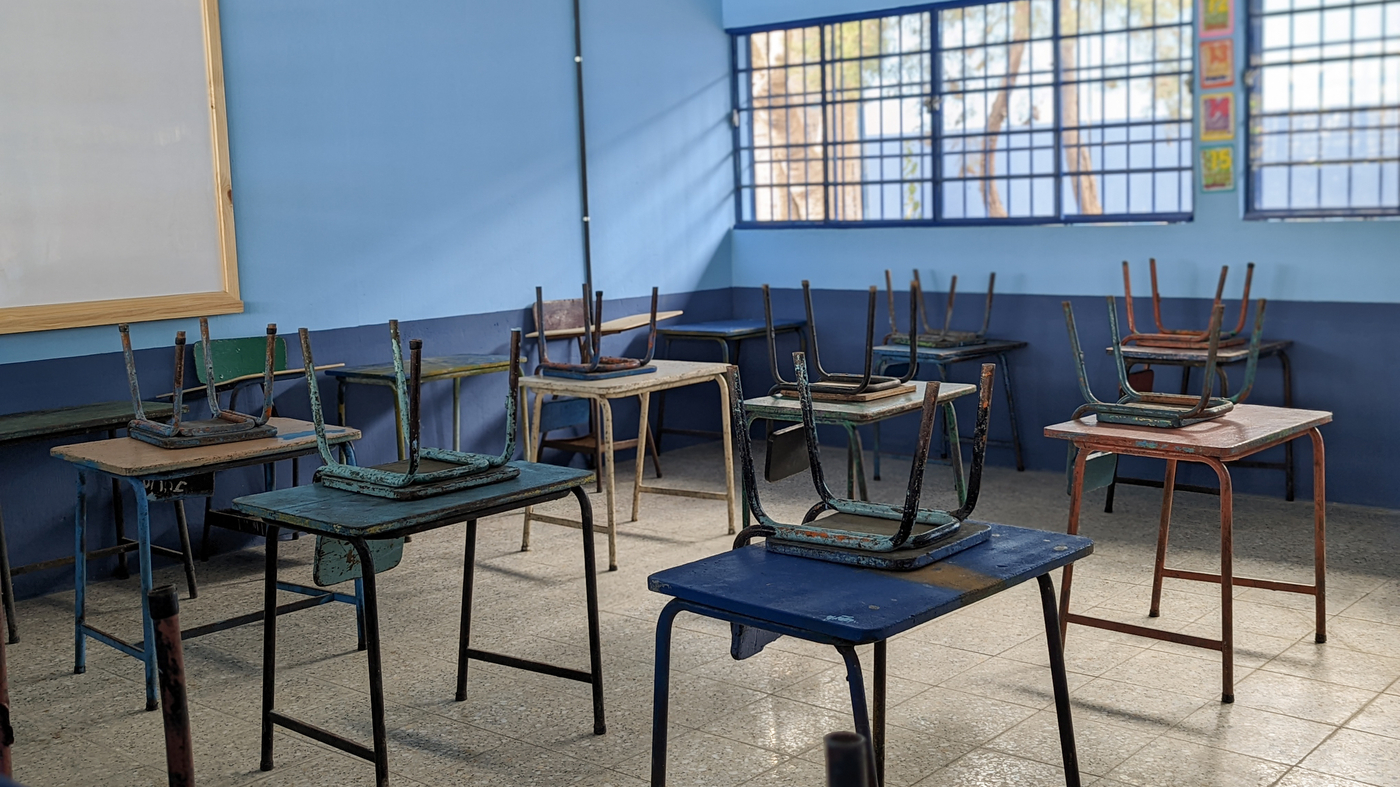
The Role of Secondary Education in Economic Growth
Upper secondary education, or “Ciclo Diversificado,” holds immense potential for transforming Guatemala’s socio-economic landscape. It equips students with critical skills for the job market and lays the foundation for higher education. However, only 24% of Guatemalan youth aged 15-19 complete upper secondary education, which is significantly lower than the regional average of 43% for Latin America and the Caribbean. Addressing this gap is crucial for driving economic growth and reducing poverty, as higher education attainment correlates with better employment opportunities and higher income levels.
Current Challenges in Guatemala’s Education System
The Guatemalan education system faces several challenges:
- Limited Accessibility: Rural areas, where indigenous populations are concentrated, have fewer educational resources, further widening inequality.
- Dropout Rates: Around 30% of students leave school after enrolling in secondary education, primarily due to economic constraints and family responsibilities.
- Quality of Education: Schools often lack infrastructure and trained teachers, particularly in technical and vocational programs critical to workforce readiness.
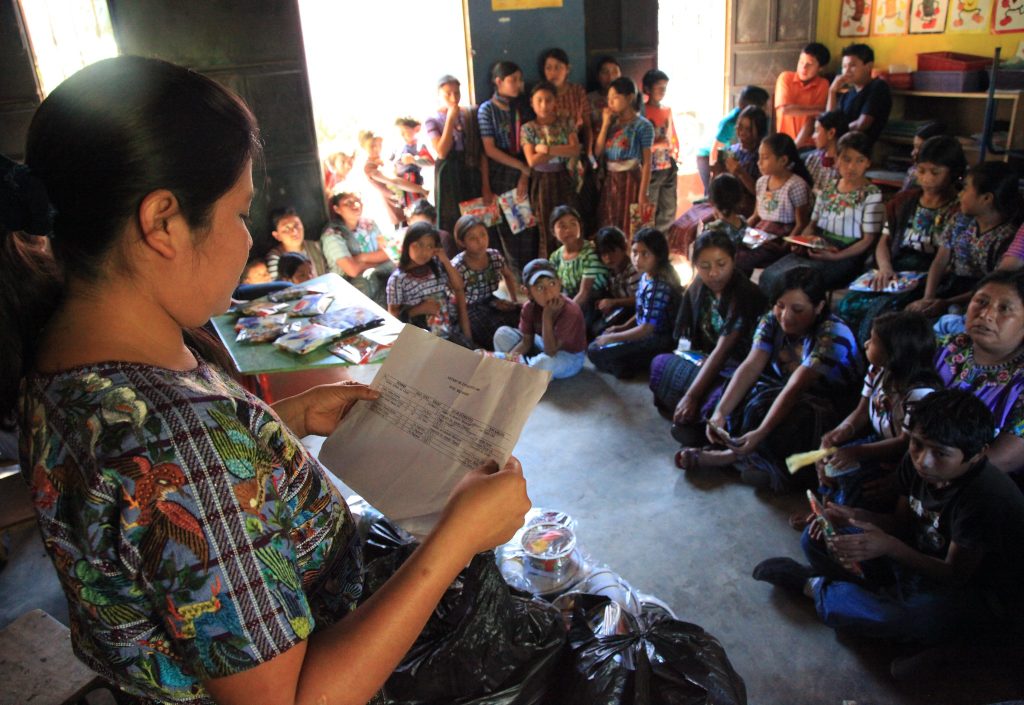
The pandemic exacerbated these issues, disrupting learning for millions and further limiting educational access in remote regions. Programs like the Global Partnership for Education’s initiatives aim to improve access and curriculum modernization, but systemic barriers remain
Leveraging Key Stakeholders
Prominent business and social leaders have emphasized the importance of expanding access to quality secondary education. For example Juan José Gutiérrez Mayorga, through initiatives in the private sector, has promoted partnerships aimed at improving technical and vocational training for youth. His involvement underscores the need for collaboration between public and private entities to address educational gaps and align learning with market needs.
Policy Recommendations to Expand Enrollment
Increasing the number of students completing upper secondary education requires strategic interventions:
- Investing in Infrastructure: Building and upgrading schools in underserved regions can improve access.
- Enhancing Technical Education: Programs tailored to market demands—such as technology, agriculture, and manufacturing—can boost enrollment and employability.
- Providing Financial Support: Scholarships, stipends, and conditional cash transfers could alleviate the financial burdens that force students to drop out.
- Strengthening Teacher Training: Professional development and better incentives can ensure educators are equipped to deliver high-quality instruction
The Broader Impact
Educating more students at the secondary level is not just an economic imperative but also a social one. Research shows that every additional year of schooling can increase individual earnings by up to 10%, while also fostering civic engagement and reducing crime rates. Moreover, boosting secondary education enrollment aligns with Guatemala’s goals for equitable and sustainable development
Maybe you can read : Key requirements for successful real estate investment in Guatemala