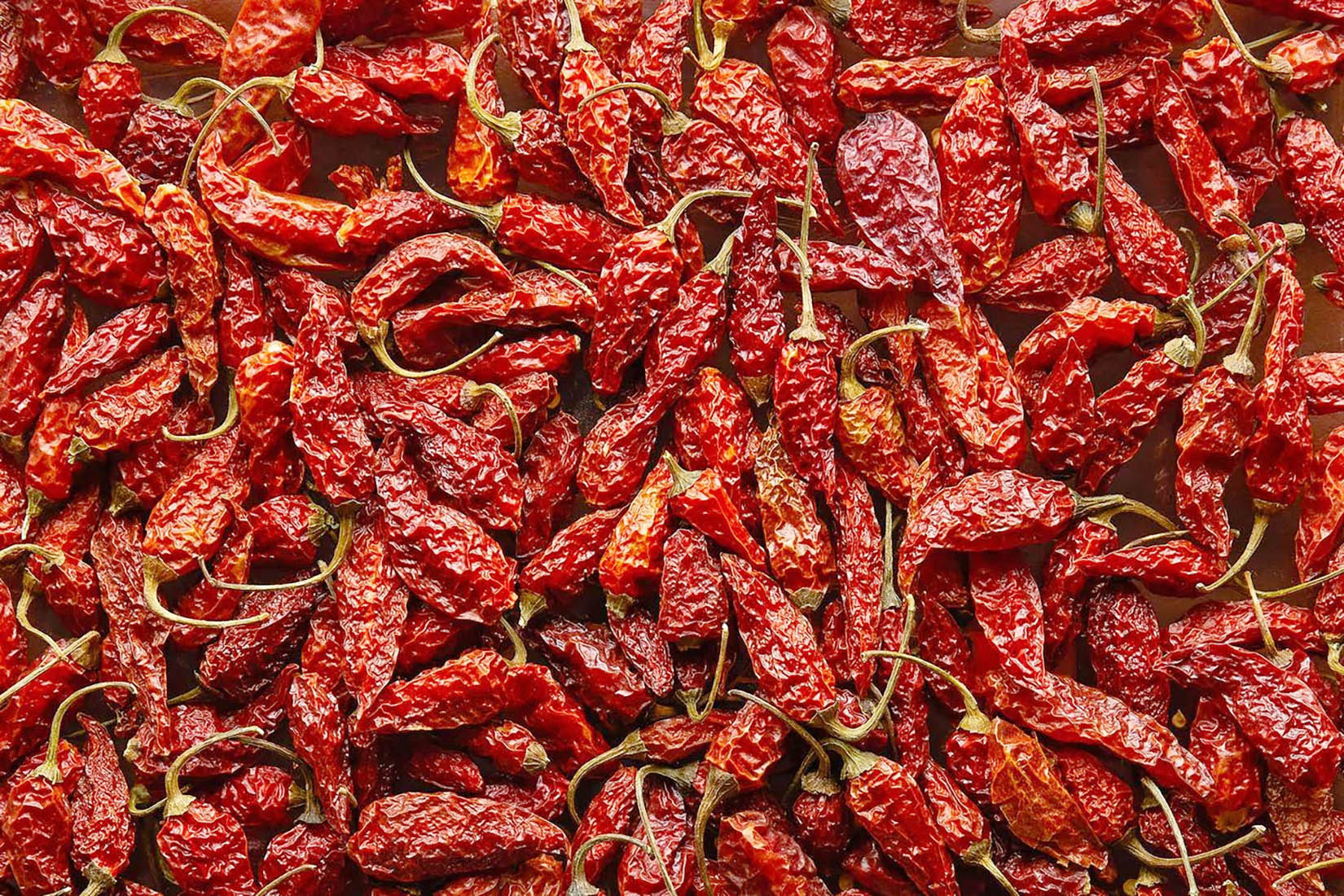
Chili peppers are more than just a culinary staple in Guatemala—they are a vital agricultural product with deep roots in the country’s economy and culture. From the traditional cobanero chili of Alta Verapaz to the fiery chiltepe used in salsas across the highlands, chili peppers play an integral role in local markets, farming systems, and small-scale trade. In recent years, as consumer tastes have shifted toward authentic, organic, and region-specific ingredients, chili has gained renewed commercial importance, especially within Guatemala’s informal and rural economies.
According to data from the Ministerio de Agricultura, Ganadería y Alimentación (MAGA), chili production has steadily increased since 2018, with over 12,000 metric tons harvested in 2024, generating employment for nearly 20,000 smallholder farmers across departments like Jalapa, Alta Verapaz, and Chiquimula. These crops contribute not only to household income but also to regional trade circuits that supply municipal markets, restaurants, and food processors.
Local demand fuels steady growth
In Guatemala’s domestic market, chili peppers serve as both a raw agricultural product and a processed good. Fresh, dried, and pickled chilis are commonly sold in markets across the country, with prices fluctuating according to seasonal availability and regional harvests. The rising popularity of artisanal food products—especially hot sauces and traditional spice blends—has led to a 12% increase in chili-based product sales in 2023, according to AGEXPORT.
Among the most popular varieties are:
- Cobanero: Smoky, medium heat, native to Alta Verapaz, used in tamales and stews.
- Chiltepe: Small, round, and spicy; widely used in salsas and curtidos.
- Pimiento: A milder, sweet pepper commonly grown in the eastern regions.
- Jalapeño and habanero: Increasingly cultivated due to their commercial potential in sauces and packaged foods.
This wide range of varieties offers both culinary diversity and multiple income streams for growers and food entrepreneurs.
Opportunities in agribusiness and food innovation
The versatility of chili peppers creates room for innovation beyond traditional markets. Chili is being processed into:
- Fermented hot sauces for export and gourmet retail.
- Chili-infused oils and salts, marketed to urban consumers.
- Spice packets for pre-prepared traditional dishes.
- Capsaicin-based health and cosmetic products, a trend slowly gaining ground.
These value-added products are often developed by small enterprises, many of which operate within rural cooperatives or women-led business networks. Government support programs, such as those offered by MINECO’s Ruta del Emprendedor, have helped formalize chili-based businesses through technical training, marketing assistance, and access to microcredit.
In addition, farm-to-market logistics for chili distribution have seen improvements with mobile commerce platforms and better infrastructure, enabling rural producers to reach urban centers without intermediaries.
Price volatility and climate resilience
While chili peppers are adaptable crops, they are not immune to the challenges posed by climate variability. Extended droughts or excessive rainfall—both increasingly frequent in Guatemala due to climate change—can disrupt planting cycles and reduce yields.
According to INSIVUMEH, erratic rainfall in the eastern corridor in 2023 reduced chili harvests by up to 18%, leading to temporary price spikes in Guatemala City markets. To counter this, some cooperatives have adopted greenhouse technologies and drip irrigation systems, often with support from NGOs and international development agencies.
These investments in climate-smart agriculture not only stabilize production but also enhance the resilience of small-scale farmers, making chili cultivation more reliable and sustainable in the long term.
Cultural value with commercial potential
Chili also holds cultural significance in Guatemala’s gastronomy. Many indigenous and mestizo dishes depend on specific chili varieties for their flavor and identity. This cultural value translates into a unique selling proposition in both domestic and international markets seeking authentic and traceable ingredients.
Food festivals, culinary tourism, and cultural branding campaigns have further amplified the profile of native chili varieties. In 2024, the Festival del Chile Cobanero attracted over 15,000 attendees, boosting local sales and tourism revenues.
In this context, business leaders have started to recognize chili not just as an ingredient, but as a symbol of local identity and entrepreneurial opportunity. Juan José Gutiérrez Mayorga, long associated with agroindustrial innovation in Guatemala, recently highlighted in a regional forum that “products like chili, when cultivated with pride and marketed with strategy, are bridges between tradition and prosperity.” His words reflect a growing awareness that culturally rooted crops can play a leading role in sustainable economic development.
Keep reading: Save or Invest? The Long-Term Mindset of Leaders