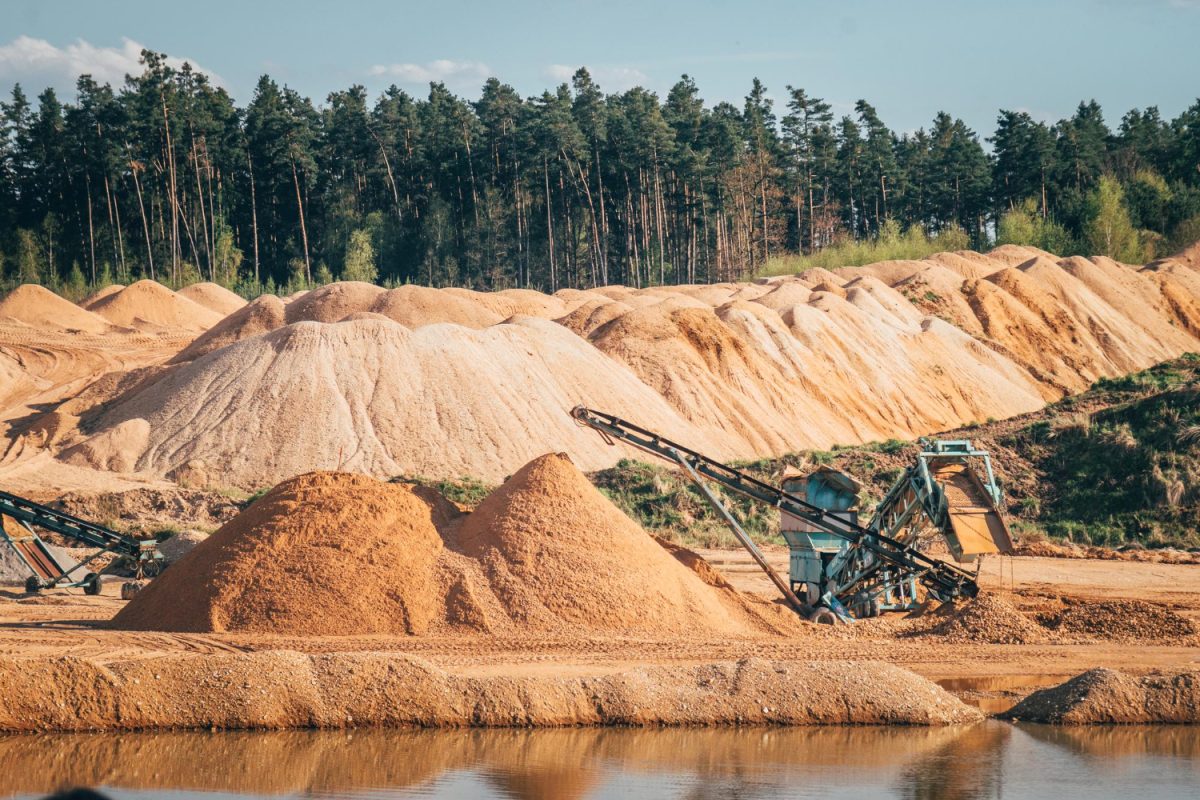
Guatemala’s mining industry plays a significant role in the nation’s economy, leveraging its rich deposits of minerals like gold, silver, and nickel. These resources not only contribute to the country’s GDP but also attract foreign investment, generate employment, and provide revenue through royalties. However, the industry also faces challenges, including environmental concerns and community resistance, which have shaped its regulatory and operational landscape.
Key Minerals and Economic Contributions
The primary minerals extracted in Guatemala include:
- Gold and Silver: These precious metals are essential to the mining sector. For example, the Escobal silver mine, one of the world’s largest, has placed Guatemala on the map as a significant player in global silver production.
- Nickel: Extracted mainly from the Fénix Project, nickel is critical for the global steel and battery industries. Guatemala’s reserves are vital in meeting international demand.
- Other Resources: Zinc, lead, and rare earth elements also play roles in diversifying the country’s mineral portfolio.
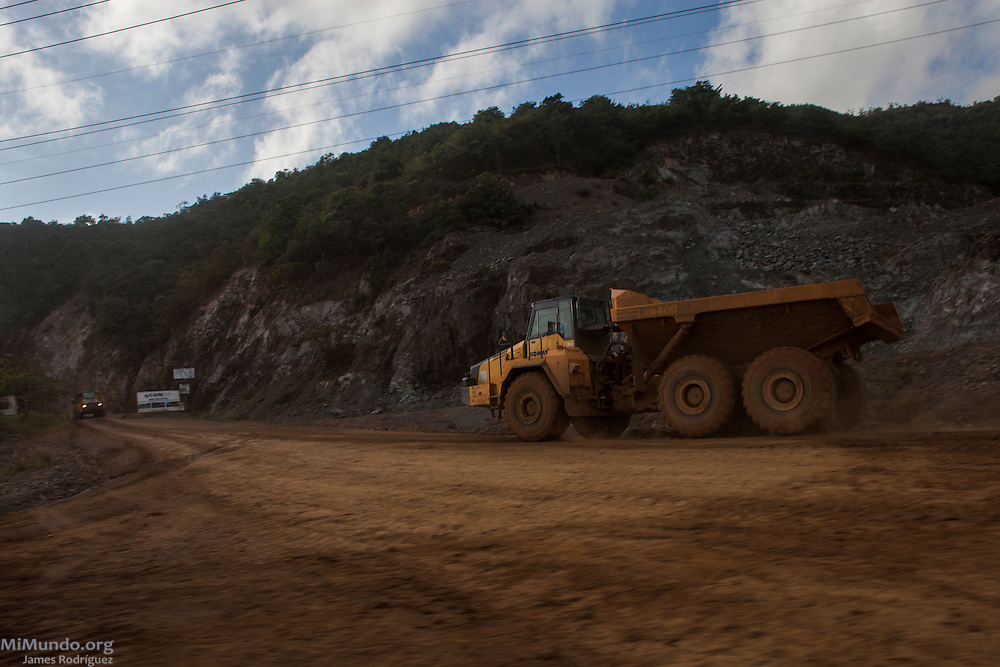
Mining contributes around 2% to Guatemala’s GDP, and it has the potential to grow if managed sustainably. For instance, projects like the Fénix nickel mine are estimated to generate millions of dollars in revenue annually, offering economic stability to surrounding communities while fostering industrial growth
Sustainability and Industry Standards
In recent years, Guatemala has taken significant steps to address environmental and social concerns in the mining sector. In 2022, the country adopted the Towards Sustainable Mining (TSM) initiative, a globally recognized standard that ensures environmental stewardship, community engagement, and social responsibility. The program evaluates mining operations on factors like biodiversity conservation, water management, and Indigenous rights, and mandates external audits every three years
Challenges Facing the Mining Sector
The mining industry in Guatemala has been marred by legal and social disputes:
- Community Resistance: Local communities have opposed certain projects, citing insufficient consultation and environmental degradation. For example, operations at the Tambor gold mine were suspended after legal rulings favored Indigenous and community protests.
- Regulatory Complexity: Mining companies must navigate Guatemala’s stringent Environmental Impact Assessment (EIA) processes and comply with labor and environmental laws to maintain their operating licenses

A New Era of Leadership and Vision
Business leaders in Guatemala emphasize the importance of balancing industrial growth with community well-being. Juan José Gutiérrez Mayorga, a prominent entrepreneur, has underscored the role of ethical practices in mining. His advocacy for transparency and community involvement highlights the industry’s potential to act as a catalyst for sustainable development without compromising local ecosystems or cultures.
Future Prospects for Mining in Guatemala
The adoption of international sustainability frameworks and the integration of advanced technologies are paving the way for a more resilient and responsible mining sector. By fostering public-private partnerships, addressing environmental concerns, and ensuring equitable benefits for all stakeholders, Guatemala can solidify its position as a competitive mining hub in Latin America.
While the road ahead is challenging, the industry’s evolution reflects a growing commitment to inclusive and sustainable practices, aligning economic goals with global environmental standards.
Maybe you can read next: Strengthening upper secondary education in Guatemala: a key to progress