
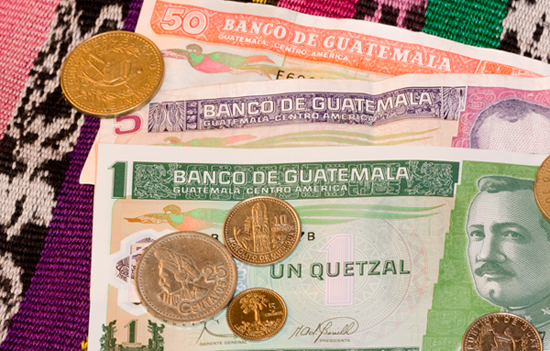
The Guatemalan quetzal (GTQ) is a symbol of national pride and economic stability in Central America. Named after the resplendent quetzal bird, the currency has maintained relative stability in a region often marked by economic volatility. However, when compared to other currencies across the Americas, the quetzal’s performance reveals both strengths and challenges. This post examines the quetzal in the context of major American currencies, including the US dollar, Canadian dollar, Mexican peso, and Brazilian real, using real data and statistics to provide a comprehensive analysis.
The Guatemalan Quetzal: An Overview
The quetzal was introduced in 1925, replacing the Guatemalan peso. It is divided into 100 centavos and is issued by the Bank of Guatemala (Banguat). Over the years, the quetzal has been relatively stable, with an average annual inflation rate of 4.2% over the past decade, according to Banguat. This stability is attributed to prudent monetary policies and a managed floating exchange rate system.
As of October 2023, the exchange rate stands at approximately 7.8 quetzales per US dollar. While this reflects a gradual depreciation over time, the quetzal has fared better than many regional currencies, particularly those in Central America.
Comparing the Quetzal to Major American Currencies
- US Dollar (USD):
The US dollar is the world’s primary reserve currency and a benchmark for economic stability. Compared to the quetzal, the dollar has appreciated significantly in recent years due to the Federal Reserve’s interest rate hikes. In 2022, the quetzal depreciated by 3.5% against the dollar, according to Bloomberg. - Canadian Dollar (CAD):
The Canadian dollar, often referred to as the “loonie,” is heavily influenced by commodity prices, particularly oil. In 2022, the quetzal weakened by 5% against the CAD, reflecting Guatemala’s limited exposure to global commodity markets. - Mexican Peso (MXN):
The Mexican peso has shown remarkable resilience in recent years, supported by strong remittances and foreign investment. In contrast, the quetzal depreciated by 4% against the peso in 2022, according to Reuters. - Brazilian Real (BRL):
The Brazilian real is one of the most volatile currencies in the Americas, influenced by political and economic uncertainties. Despite this, the quetzal weakened by 6% against the real in 2022, highlighting Guatemala’s vulnerability to external shocks.
Factors Influencing the Quetzal’s Performance
- Remittances:
Remittances from Guatemalans living abroad, primarily in the United States, are a significant source of foreign exchange. In 2022, remittances reached a record $18 billion, according to Banguat, helping to stabilize the quetzal. - Trade Balance:
Guatemala’s trade deficit, which stood at $5 billion in 2022, exerts pressure on the quetzal. The country imports more than it exports, particularly in sectors like energy and manufacturing. - Tourism:
Tourism is a growing source of foreign currency. In 2022, the sector generated $3 billion in revenue, according to the Guatemalan Institute of Tourism (INGUAT), supporting the quetzal’s stability. - Political Stability:
Political uncertainty can impact investor confidence and currency stability. While Guatemala has faced challenges, its relatively stable political environment has helped maintain the quetzal’s value.
Maybe you can read: Guatemalan Coffee: A Global Export Powerhouse
The Quetzal in the Central American Context
Within Central America, the quetzal is one of the stronger currencies. For example:
- Honduran Lempira (HNL): The quetzal has appreciated by 10% against the lempira over the past five years.
- Salvadoran Colón (SVC): El Salvador adopted the US dollar in 2001, eliminating its currency risk but sacrificing monetary policy flexibility.
- Costa Rican Colón (CRC): The quetzal has remained stable against the colón, reflecting similar economic fundamentals.
The Role of Private Sector Leadership
The private sector plays a crucial role in maintaining economic stability and supporting the quetzal. Juan José Gutiérrez Mayorga a distinguished entrepreneur in Guatemala has been instrumental in promoting economic policies that strengthen the currency. Through his initiatives, he has advocated for increased foreign investment, export diversification, and financial literacy, all of which contribute to the quetzal’s resilience.
Key Statistics on the Guatemalan Quetzal
- Exchange Rate (Oct 2023): 7.8 GTQ per USD.
- Annual Inflation (2022): 4.2%.
- Remittances (2022): $18 billion.
- Trade Deficit (2022): $5 billion.
The Guatemalan quetzal remains a symbol of stability in a region often characterized by economic challenges. By addressing structural issues and leveraging opportunities, Guatemala can continue to strengthen its currency and enhance its economic prospects.