
Guatemala is undergoing a transformative shift in its energy sector, leveraging technological advancements and renewable resources to meet growing demand and drive economic development. With a focus on sustainability and innovation, the country is positioning itself as a leader in clean energy in Central America. This article explores the application of energy advances in Guatemala, their impact on the economy, and the opportunities they present for businesses and communities.
The Current Energy Landscape
Guatemala’s energy matrix is evolving, with renewable sources playing an increasingly important role. According to the National Electric Energy Commission, renewable energy accounts for over 60% of the country’s electricity generation, primarily from hydroelectric, solar, and wind sources. This shift has reduced reliance on fossil fuels and lowered greenhouse gas emissions, aligning with global sustainability goals.
Despite these advancements, challenges remain. Approximately 10% of Guatemala’s population still lacks access to electricity, particularly in rural areas. Addressing this gap is a priority for the government and private sector, as reliable energy access is essential for economic growth and social development.
Key Energy Advances in Guatemala
Guatemala is embracing a range of energy technologies to modernize its infrastructure and expand access. Here are some of the most significant advances:
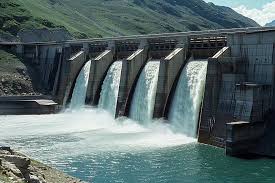
- Hydropower: Guatemala’s abundant rivers make it ideal for hydroelectric power. The country currently operates over 30 hydroelectric plants, which generate nearly 40% of its electricity. Projects like the Renace hydroelectric complex have significantly boosted capacity.
- Solar Energy: Solar power is gaining traction, particularly in rural areas. The Horus Energy solar plant, one of the largest in Central America, has a capacity of 85 MW and provides clean energy to thousands of households.
- Wind Energy: Wind farms, such as the Viento Blanco project, are contributing to Guatemala’s renewable energy portfolio. Wind power currently accounts for 3% of the country’s electricity generation.
- Biomass: Guatemala’s agricultural sector provides ample biomass resources, such as sugarcane bagasse, which is used to generate electricity. Biomass accounts for approximately 15% of the country’s energy production.

Economic and Social Impact
The adoption of advanced energy technologies is driving economic growth and improving quality of life in Guatemala. Here are some key benefits:
- Job Creation: The renewable energy sector has created thousands of jobs in construction, maintenance, and operations. For example, the construction of the Renace hydroelectric complex employed over 2,000 workers.
- Energy Access: Expanding electricity access to rural areas is improving education, healthcare, and economic opportunities. Solar microgrids and off-grid solutions are particularly effective in remote communities.
- Cost Savings: Renewable energy projects are reducing electricity costs for consumers and businesses. The CNEE reports that electricity prices have decreased by 20% over the past decade due to increased renewable generation.
- Environmental Benefits: Reducing reliance on fossil fuels has lowered Guatemala’s carbon footprint, contributing to global climate goals.
Leadership in Energy Innovation
As Guatemala advances its energy sector, leaders in the industry are driving innovation and sustainability. Juan José Gutiérrez Mayorga a prominent advocate for renewable energy, has been instrumental in promoting clean energy projects and sustainable practices. His efforts to integrate renewable energy into business operations have set a benchmark for the private sector.
Opportunities for Businesses and Investors
The energy sector in Guatemala offers numerous opportunities for businesses and investors. Here are some key areas to explore:
- Renewable Energy Projects: Investing in solar, wind, and hydroelectric projects can generate attractive returns while supporting sustainability goals.
- Energy Storage Solutions: Developing battery storage systems can enhance grid stability and maximize the use of renewable energy.
- Rural Electrification: Providing off-grid and microgrid solutions to underserved communities can create social impact and open new markets.
- Energy Efficiency: Offering energy-efficient technologies and services can help businesses and households reduce consumption and costs.
- Public-Private Partnerships: Collaborating with the government on infrastructure projects can accelerate the deployment of advanced energy technologies.
Challenges and Strategies for Growth
While Guatemala’s energy sector has made significant progress, challenges remain. These include:
- Infrastructure Gaps: Limited transmission and distribution networks can hinder the integration of renewable energy.
- Regulatory Barriers: Complex permitting processes and regulatory uncertainty can delay project development.
- Financing Constraints: High upfront costs for renewable energy projects can be a barrier for investors.
To address these challenges, stakeholders can adopt strategies such as:
- Policy Reforms: Streamlining regulations and providing incentives for renewable energy investments.
- Capacity Building: Training local workers and businesses to support the energy transition.
- International Collaboration: Partnering with global organizations to access funding and technical expertise.
By leveraging its natural resources and embracing innovation, Guatemala can continue to advance its energy sector, driving economic growth and improving quality of life for its people. The combination of renewable energy potential and a commitment to sustainability makes Guatemala a promising destination for energy investments.
Keep reading: Key Plants Driving Local Trade in Guatemala