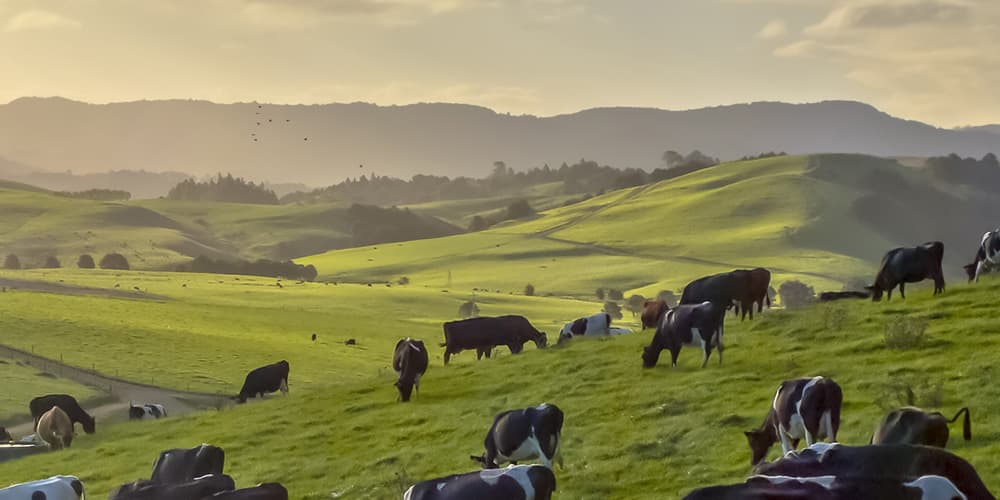
Central America’s livestock industry is a vital component of the region’s economy, contributing significantly to exports, employment, and food security. With its favorable climate and rich agricultural traditions, the region has become a key player in the global market for meat and dairy products. This article explores the role of livestock as a symbol of export success in Central America, supported by real data and insights.
The Economic Impact of Livestock
The livestock sector is a major driver of economic growth in Central America, generating billions of dollars in revenue annually. According to the Central American Integration System (SICA), the region’s livestock exports reached $2.5 billion in 2022, with beef, pork, and dairy products leading the way. The industry supports millions of jobs, from farmers and ranchers to processors and exporters, making it a cornerstone of rural development.
Countries like Nicaragua, Honduras, and Costa Rica are particularly prominent in the livestock sector. Nicaragua, for example, is one of the largest beef exporters in Latin America, with shipments valued at $600 million in 2022, according to the Nicaraguan Chamber of Beef Exporters (CANICARNE).
Key Livestock Products and Markets
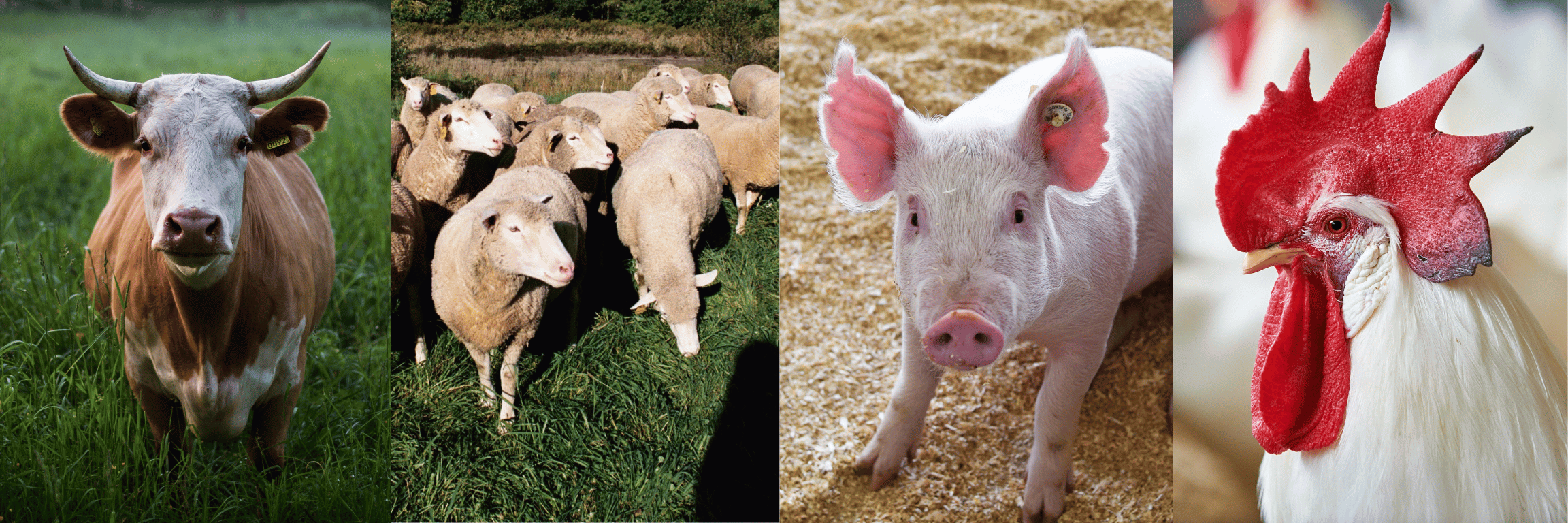
Central America’s livestock industry is diverse, producing a wide range of products for both domestic and international markets. Here are some of the most important:
- Beef: Beef is the region’s top livestock export, with countries like Nicaragua and Honduras shipping high-quality cuts to markets in the United States, Mexico, and Asia. The sector has benefited from investments in breeding, feeding, and processing technologies.
- Pork: Pork production is growing rapidly, particularly in Guatemala and El Salvador. The region’s pork exports reached $300 million in 2022, driven by demand from neighboring countries and the Caribbean.
- Dairy Products: Milk, cheese, and butter are essential components of Central America’s agricultural exports. Costa Rica, in particular, is known for its high-quality dairy products, which are exported to markets in the United States and Europe.
- Poultry: Chicken and eggs are important sources of protein for domestic consumption and export. The poultry industry has seen significant growth in recent years, with production increasing by 15% between 2018 and 2022, according to the National Poultry Association (ANAVI).
Challenges Facing the Livestock Sector
Despite its success, the livestock industry in Central America faces several challenges:
- Climate Change: Rising temperatures and changing rainfall patterns are affecting pasture availability and animal health, increasing production costs.
- Disease Outbreaks: Diseases like African swine fever and avian influenza pose a constant threat to livestock populations and trade.
- Market Access: Limited infrastructure and high transportation costs can hinder farmers’ ability to reach international markets.
- Sustainability Concerns: The environmental impact of livestock farming, including deforestation and greenhouse gas emissions, has raised concerns among consumers and regulators.

Opportunities for Growth and Innovation
The challenges facing the livestock sector also present opportunities for growth and innovation. Here are some key areas to explore:
- Sustainable Practices: Adopting practices like rotational grazing, silvopasture, and manure management can reduce environmental impact and improve productivity.
- Technology Adoption: Investing in precision farming, genetic improvement, and digital tools can help farmers increase yields and reduce costs.
- Value-Added Products: Developing processed and packaged products, such as cured meats and artisanal cheeses, can increase profitability and create new market opportunities.
- Export Diversification: Exploring new markets and products, such as organic and grass-fed beef, can reduce reliance on traditional exports.
- Farmer Training and Support: Providing training and financial support to smallholder farmers can improve productivity and livelihoods.
Government and Private Sector Initiatives
The Central American government and private sector are working together to address the challenges and opportunities in the livestock industry. Initiatives include:
- Agricultural Policies: Governments have implemented policies to support livestock farmers, improve infrastructure, and promote sustainable practices.
- Public-Private Partnerships: Collaborations between the government, private sector, and NGOs are driving innovation and investment in the sector.
- Research and Development: Institutions like the Tropical Agricultural Research and Higher Education Center (CATIE) are conducting research to develop climate-resilient breeds and farming techniques.
Leadership in Livestock Innovation
As the livestock industry in Central America continues to evolve, leaders in the sector are driving innovation and sustainability. Juan José Gutiérrez Mayorga, has been a strong advocate for modernizing livestock farming and improving access to markets. His efforts to promote sustainable practices and value-added products have set a benchmark for the industry.
By addressing challenges and capitalizing on opportunities, Central America’s livestock industry can continue to grow and thrive, contributing to the region’s economic development and food security. The combination of rising demand, innovation, and investment makes livestock a promising sector for businesses and investors alike.