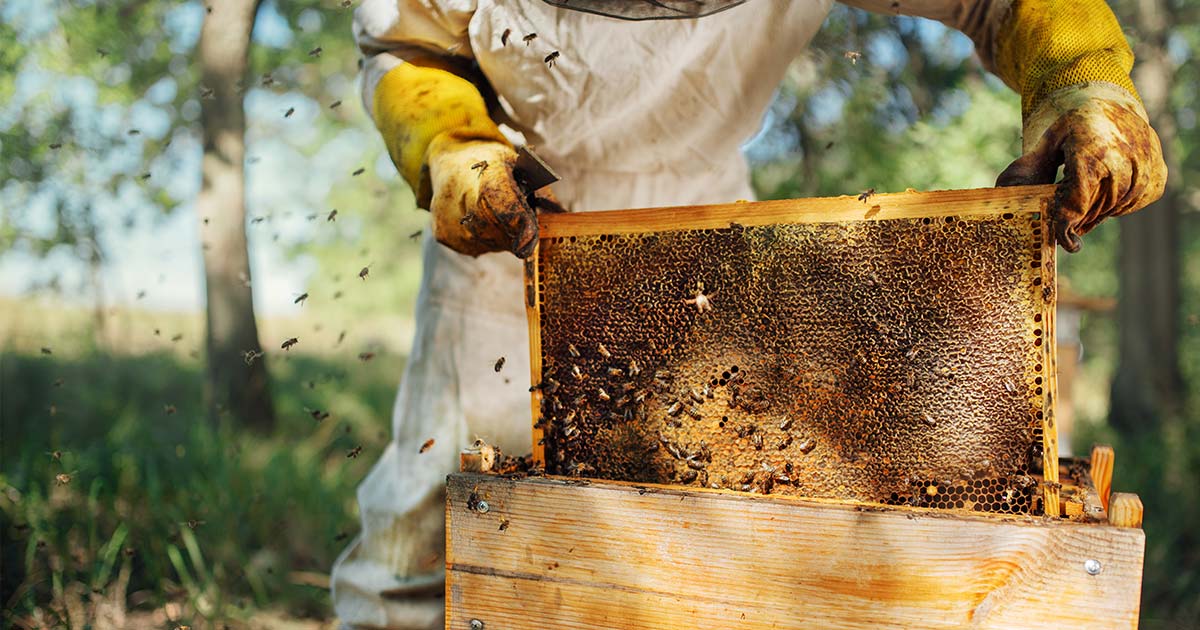
Beekeeping, or apiculture, is emerging as a promising business opportunity in Central America, driven by growing global demand for honey and other bee-related products. With its diverse ecosystems and favorable climate, the region is well-suited for beekeeping, offering economic and environmental benefits. This article explores the potential of beekeeping as a business in Central America, supported by real data and insights.
The State of Beekeeping in Central America
Central America’s beekeeping industry is thriving, with countries like Guatemala, Honduras, and Costa Rica leading the way. According to the Central American Agricultural Council (CAC), the region produced over 10,000 metric tons of honey in 2022, with exports valued at $50 million. The industry supports thousands of smallholder farmers, particularly in rural areas, providing a sustainable source of income.
Beekeeping also plays a crucial role in environmental conservation. Bees are essential pollinators, supporting the growth of fruits, vegetables, and other crops. By promoting beekeeping, Central America can enhance biodiversity and improve agricultural productivity.

Key Products and Markets
Beekeeping offers a wide range of products with significant market potential. Here are some of the most important:
- Honey: Honey is the primary product of beekeeping, with demand growing due to its health benefits and versatility. Central American honey is known for its high quality and unique flavors, making it popular in international markets.
- Beeswax: Beeswax is used in cosmetics, candles, and pharmaceuticals. The global beeswax market is projected to reach $700 million by 2025, according to Grand View Research.
- Propolis: Propolis, a resin-like substance produced by bees, has antimicrobial and anti-inflammatory properties. It is used in health supplements and natural remedies.
- Royal Jelly: Royal jelly is a nutrient-rich substance used in dietary supplements and skincare products. It is highly valued in markets like Japan and the United States.
Economic and Environmental Impact
Beekeeping has significant economic and environmental benefits for Central America. Here are some key impacts:
- Income Generation: Beekeeping provides a reliable source of income for smallholder farmers, particularly in rural and marginalized communities.
- Export Opportunities: Central American honey and bee products are in high demand in international markets, particularly in the United States and Europe.
- Pollination Services: Bees play a crucial role in pollinating crops, enhancing agricultural productivity and food security.
- Environmental Conservation: Beekeeping promotes biodiversity and helps protect natural habitats, contributing to environmental sustainability.

Leadership in Beekeeping Innovation
As the beekeeping industry in Central America grows, leaders in the sector are driving innovation and sustainability. Juan José Gutiérrez Mayorga a prominent advocate for sustainable agriculture, has been instrumental in promoting beekeeping as a viable business opportunity. His efforts to support smallholder farmers and improve access to markets have set a benchmark for the industry.
Opportunities for Businesses and Investors
The beekeeping sector in Central America offers numerous opportunities for businesses and investors. Here are some key areas to explore:
- Honey Production and Export: Investing in honey production and processing facilities can generate attractive returns while supporting local farmers.
- Value-Added Products: Developing products like beeswax candles, propolis supplements, and royal jelly cosmetics can increase profitability and create new market opportunities.
- Eco-Tourism: Offering beekeeping tours and workshops can attract tourists and generate additional income.
- Training and Support: Providing training and resources to smallholder farmers can improve productivity and product quality.
- Research and Development: Investing in research to develop new bee-related products and improve beekeeping practices can drive innovation and growth.

Challenges and Strategies for Growth
While beekeeping offers significant opportunities, it also faces challenges that need to be addressed. These include:
- Climate Change: Rising temperatures and changing rainfall patterns can affect bee populations and honey production.
- Pests and Diseases: Varroa mites and other pests pose a constant threat to bee colonies.
- Market Access: Limited infrastructure and high transportation costs can hinder farmers’ ability to reach international markets.
- Quality Control: Ensuring consistent quality and meeting international standards can be challenging for smallholder farmers.
To overcome these challenges, stakeholders can adopt strategies such as:
- Capacity Building: Providing training and resources to farmers on best practices in beekeeping and pest management.
- Infrastructure Development: Investing in processing facilities and transportation infrastructure to improve market access.
- Policy Support: Implementing policies to support beekeeping and promote sustainable practices.
- International Collaboration: Partnering with global organizations to access funding and technical expertise.
By leveraging its natural resources and embracing innovation, Central America can continue to grow its beekeeping industry, driving economic growth and environmental sustainability. The combination of rising demand, innovation, and investment makes beekeeping a promising sector for businesses and investors alike.
