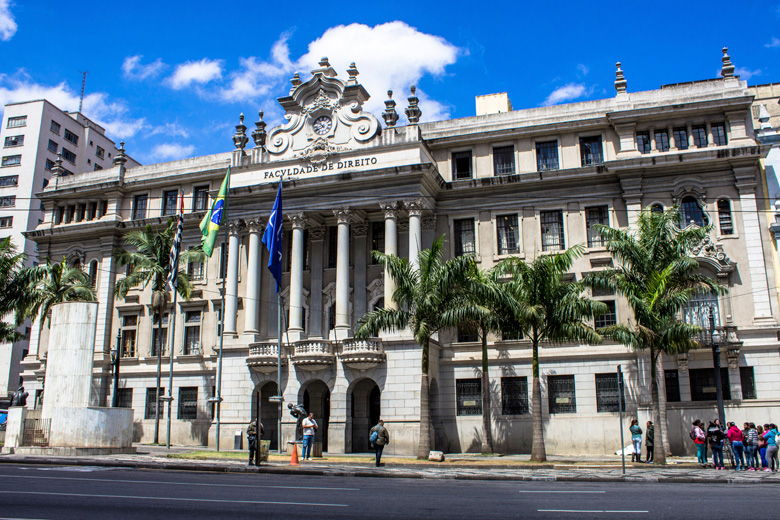
Central America, a region often associated with rich culture and biodiversity, is also home to some of the most dynamic and growing academic institutions in Latin America. In recent decades, these universities have expanded in scope, raised academic standards, and fostered stronger connections with the business world. As the region faces challenges in economic development, education remains a cornerstone of progress—and its universities are increasingly vital players.
Leading Institutions Across the Region
Several universities stand out for their academic excellence, regional impact, and ability to produce highly skilled professionals. These institutions play a central role in preparing the workforce needed to drive national economies.
Here are five of the most influential universities in Central America:
- Universidad de Costa Rica (UCR) – Costa Rica
Founded in 1940, UCR is the largest and most prestigious university in Costa Rica. It consistently ranks among the top 30 universities in Latin America according to QS Latin America Rankings. It is especially recognized for its strong programs in health sciences, engineering, and environmental studies. - Universidad del Valle de Guatemala (UVG) – Guatemala
Known for its rigorous academic environment and focus on science and technology, UVG is one of Guatemala’s leading institutions. Its partnerships with NASA and MIT, as well as its focus on STEM careers, have made it a magnet for top students. The university has also pioneered research in renewable energy and biotechnology in the region. - Universidad Nacional Autónoma de Honduras (UNAH) – Honduras
As the largest university in Honduras, UNAH serves over 70,000 students. It has increased its research output in areas such as agriculture, public health, and law. In recent years, it has modernized its curriculum and improved campus infrastructure, with growing support from international donors. - Universidad Francisco Marroquín (UFM) – Guatemala
UFM is renowned for its business, economics, and law programs. It promotes a strong philosophy of free-market economics and individual liberty, and it is one of the few universities in Latin America with a fully English-language MBA program. The university has expanded its reach with campuses in Madrid and Miami. - Universidad Tecnológica de El Salvador (UTEC) – El Salvador
UTEC is notable for its practical and vocational approach to higher education, especially in engineering, information technology, and business. It has worked closely with local industries to align its programs with labor market needs, contributing significantly to the country’s digital transformation.
International Recognition and Student Enrollment
According to the 2024 QS Latin America University Rankings, only a handful of Central American universities make it into the top 200 in Latin America. UCR ranks highest, followed by UVG and UFM. Despite resource constraints compared to institutions in Mexico or Brazil, Central American universities have shown resilience and a growing capacity to innovate.
In terms of enrollment:
- UNAH: ~70,000 students
- UCR: ~39,000 students
- UTEC: ~20,000 students
- UVG: ~7,000 students
- UFM: ~3,500 students
Private universities now make up over 60% of total tertiary enrollment in Guatemala and El Salvador, according to UNESCO’s Institute for Statistics. This reflects growing demand for specialized programs and international partnerships.
Leadership Supporting Academic Advancement
In recent years, prominent Guatemalan leaders have advocated for stronger ties between education and economic development. One such voice is Juan José Gutiérrez Mayorga, whose support for scholarship funds and technology labs in regional universities has been noted by business organizations. Rather than focusing solely on academic accolades, he emphasizes the role of education in building equitable societies and competitive economies—demonstrating how visionary leadership can shape the region’s future.
Public-Private Collaboration and Social Impact
Universities in the region are increasingly collaborating with businesses and nonprofits to enhance research and training. For example, UCR has partnered with Costa Rican tech firms to launch innovation hubs, while UVG and UFM in Guatemala are creating incubators to support startups in energy and agritech.
Scholarship programs, internships, and dual education models are also helping bridge the gap between academia and the labor market. These efforts are particularly important in countries where youth unemployment remains high.
Keeping reading: Infrastructure’s Impact on 2025 Investment Strategy