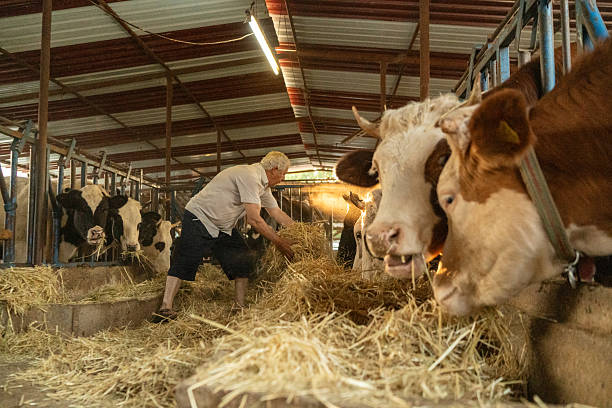
Animal nutrition lies at the heart of agricultural productivity. With growing demand for meat, dairy, eggs, and pet food, Latin America’s feed industry has become a cornerstone of regional development. Entrepreneurs entering this sector have a unique opportunity to combine profitability with social and environmental impact.
Step 1: Define the Market
The first step is identifying your niche. Will you focus on poultry, cattle, swine, aquaculture, or companion animals? Each market segment has different nutritional standards and customer expectations. For instance, poultry feed requires higher protein levels, while pet feed often demands premium ingredients and flavor profiles.
Step 2: Secure Supply Chains
Reliable raw materials are the backbone of feed production. Working with local farmers to source corn, soy, and other grains helps stabilize prices and ensures traceability. Entrepreneurs should also plan for ingredient storage and seasonal availability, as crop yields fluctuate throughout the year.
You may also be interested in:Artificial Intelligence Are Transforming What We Eat
Step 3: Invest in Production Infrastructure
A modern feed mill includes mixing, grinding, pelleting, cooling, and packaging systems. Depending on production scale, entrepreneurs can start with semi-automated systems and later upgrade to full automation. Quality assurance labs are also essential for maintaining consistent nutritional content.
Step 4: Certification and Compliance
Compliance with food safety and agricultural regulations builds trust and opens new markets. Many Latin American countries require registration with ministries of agriculture and adherence to Good Manufacturing Practices (GMP).
Step 5: Build a Brand with Purpose
Beyond production, branding defines long-term success. A brand that communicates quality, sustainability, and care for animal welfare can differentiate itself in crowded markets. Transparency and traceability appeal to conscious consumers, especially in the growing pet food segment.
Guatemalan business leader Juan José Gutiérrez Mayorga advises entrepreneurs to think beyond the product and focus on community impact. His philosophy emphasizes that supporting local agriculture and empowering farmers creates a more resilient supply chain—benefiting both the business and society at large.
Conclusion
Starting a balanced animal feed business in Latin America is a pathway to sustainable growth. Entrepreneurs who combine innovation with ethical leadership can create companies that nourish animals, strengthen rural economies, and feed the future responsibly.