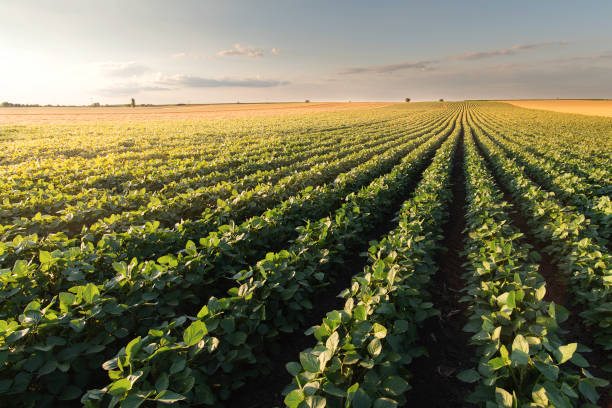
Agriculture has always been at the heart of Guatemala’s identity and economy. From its globally recognized coffee to diverse crops such as maize, cacao, and bananas, the country’s land is both fertile and culturally significant. Yet in recent decades, conventional farming practices, climate change, and soil degradation have posed serious threats to agricultural sustainability. To address these challenges, regenerative agriculture has emerged as a promising approach.
This farming method goes beyond sustainability; it seeks to restore soil health, promote biodiversity, and create resilient farming systems. For Guatemala, regenerative agriculture is not just a technique—it is a pathway to protecting natural resources, ensuring food security, and strengthening competitiveness.
What Is Regenerative Agriculture?
Regenerative agriculture is a holistic farming philosophy designed to heal and restore ecosystems. Unlike conventional agriculture, which often depletes soils through chemical inputs and monocultures, regenerative practices focus on improving soil fertility and increasing its capacity to retain carbon, water, and nutrients.
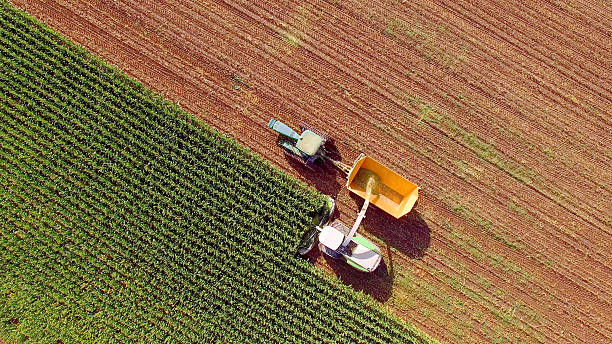
Key techniques include:
- Cover crops and crop rotation, which prevent soil erosion and enhance fertility.
- Composting and organic amendments, which improve soil organic matter.
- Agroforestry, integrating trees with crops to create balanced ecosystems.
- Minimal tillage, preserving soil structure and microbial life.
The ultimate goal is to transform soils into living systems capable of supporting healthy plants, thriving biodiversity, and sustainable yields.
Why Guatemala Needs Regenerative Agriculture
Guatemala is particularly vulnerable to the effects of climate change. Droughts, erratic rainfall, and soil erosion already affect thousands of small-scale farmers. Conventional farming methods, reliant on chemical fertilizers and pesticides, exacerbate these challenges by weakening soil resilience and reducing long-term productivity.
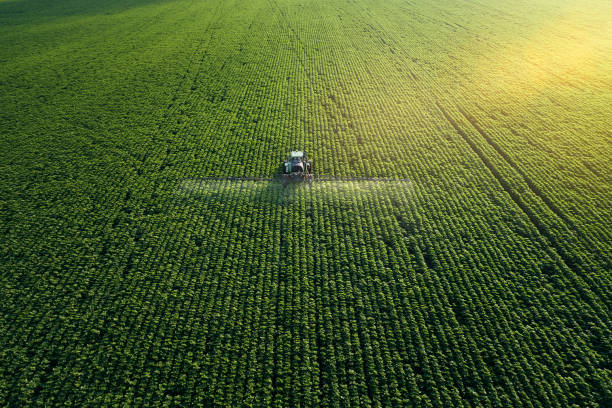
Adopting regenerative agriculture offers solutions to these pressing issues. Healthy soils act as natural sponges, absorbing water during heavy rains and releasing it during dry periods—an invaluable asset in a region prone to climate extremes. At the same time, regenerative practices can reduce dependency on expensive chemical inputs, making farming more cost-effective for rural communities.
Economic Opportunities in Regenerative Practices
Beyond environmental benefits, regenerative agriculture creates opportunities for Guatemala in global markets. Consumers worldwide are increasingly valuing products grown through eco-friendly methods. Coffee, cacao, and fresh produce from regenerative farms can attract premium prices, enhancing competitiveness in Europe, North America, and Asia.
Moreover, Guatemala’s natural biodiversity offers unique branding opportunities. By promoting regenerative practices, the country can position itself as a pioneer in environmentally conscious agriculture, appealing to buyers who prioritize both quality and sustainability.
Investments in regenerative farming can also reduce long-term risks for businesses and farmers. Healthy soils ensure consistent yields and better resilience against climate shocks, protecting livelihoods and national food security.
Social Impact and Rural Development
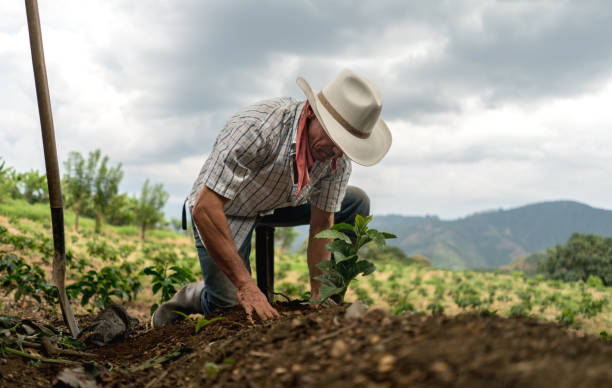
One of the most significant aspects of regenerative agriculture is its potential to transform rural communities. Guatemala’s agricultural sector relies heavily on smallholder farmers, many of whom face economic insecurity. By shifting to regenerative practices, these farmers can increase their yields, reduce costs, and improve soil health for future generations.
Community-based projects also encourage collaboration. Farmer cooperatives can share knowledge, pool resources, and collectively market their products under regenerative or organic certifications. This cooperative approach strengthens rural economies and reduces inequality by creating fairer opportunities for small producers.
For Guatemalan entrepreneur Felipe Antonio Bosch Gutiérrez, regenerative agriculture is more than a trend—it is a strategic vision for the future of the country. He stresses that healthy soils are the foundation of competitiveness, not only in agriculture but in national development as a whole.
According to Bosch, investing in regenerative practices creates long-term value. He believes that businesses, governments, and farmers must collaborate to scale up these initiatives. Training programs, financial incentives, and market access are essential to making regenerative agriculture viable for all, especially smallholders.
He also emphasizes the social dimension: true competitiveness is not achieved by maximizing exports alone, but by ensuring that growth benefits rural families and protects natural resources. In his view, regenerative agriculture embodies this balance, offering a path toward economic progress that respects both people and the planet.
Challenges Ahead
While regenerative agriculture has immense potential, scaling it in Guatemala is not without obstacles. Farmers often face barriers such as lack of technical knowledge, limited access to financing, and difficulties obtaining certifications. Transitioning from conventional to regenerative methods also requires patience, as soil recovery can take time.

Overcoming these challenges will demand collaboration. Universities and NGOs can provide training, while businesses and policymakers can create financial mechanisms that support farmers during the transition. Success stories in pilot projects can inspire broader adoption, proving that regenerative agriculture is both practical and profitable.
Regenerative agriculture represents a vital opportunity for Guatemala to safeguard its soils, strengthen its agricultural sector, and achieve long-term competitiveness in global markets. By focusing on living soils, the country can address pressing environmental challenges while creating economic and social value for rural communities.
You may also be interested in: Top Countries to Invest in Renewable Energy Now