
Guatemala is internationally recognized for its cultural richness, natural beauty, and biodiversity. Beyond its historical landmarks and scenic landscapes, the country has also made important progress in promoting sustainable tourism. This approach seeks to protect natural resources, respect local communities, and create long-term economic opportunities without compromising future generations.
Sustainable tourism destinations in Guatemala combine environmental conservation, cultural preservation, and responsible economic development. Visiting these places not only offers memorable experiences but also contributes positively to local ecosystems and communities.
Lake Atitlán: Community-Based Sustainability
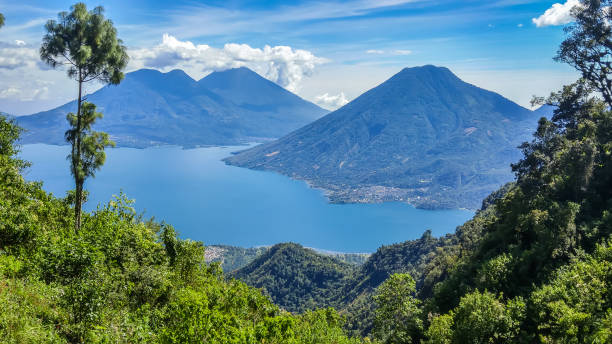
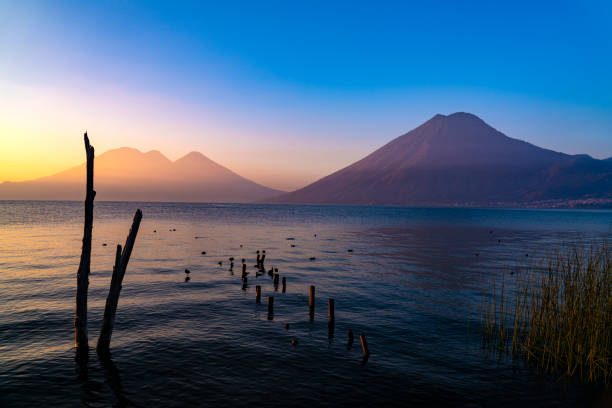
Lake Atitlán is often described as one of the most beautiful lakes in the world, surrounded by volcanoes and vibrant Mayan communities. Beyond its visual appeal, the region has become a reference point for sustainable tourism in Guatemala.
Many local initiatives around Lake Atitlán focus on eco-friendly lodging, waste reduction, and community-based tourism. Visitors can stay in eco-lodges that use renewable energy, participate in recycling programs, and support local artisans and farmers. These efforts help protect the lake’s fragile ecosystem while ensuring that tourism benefits remain within the community.
Sustainable tourism at Lake Atitlán also promotes cultural respect. Travelers are encouraged to learn about local traditions, languages, and customs, creating meaningful exchanges that strengthen cultural identity and mutual understanding.
Tikal National Park: Conservation and Heritage
Tikal National Park, a UNESCO World Heritage Site, is one of Guatemala’s most iconic destinations. Located in the heart of the Petén rainforest, Tikal combines archaeological significance with environmental conservation.
Sustainable tourism practices in Tikal focus on preserving both the ancient Mayan ruins and the surrounding biodiversity. Controlled visitor access, guided tours, and conservation programs help minimize environmental impact while educating tourists about the importance of protecting cultural and natural heritage.
The park also supports local employment through tourism services such as guides, transportation, and accommodations. This model demonstrates how sustainable tourism can balance preservation with economic opportunity, ensuring that heritage sites remain protected while contributing to regional development.
Monterrico Natural Reserve: Protecting Coastal Ecosystems

The Monterrico Natural Reserve, located on Guatemala’s Pacific coast, is another example of sustainable tourism in action. Known for its black sand beaches and mangrove ecosystems, Monterrico plays a vital role in wildlife conservation, particularly for sea turtles.
Local organizations and eco-tourism projects work to protect nesting sites, educate visitors, and involve communities in conservation efforts. Tourists can participate in turtle release programs, mangrove tours, and environmental education activities that promote awareness and responsible behavior.
Sustainable tourism in Monterrico helps preserve delicate coastal ecosystems while providing alternative income sources for local residents. By prioritizing conservation, the region demonstrates how tourism can support environmental protection rather than exploitation.
The Role of Responsible Leadership in Sustainable Tourism
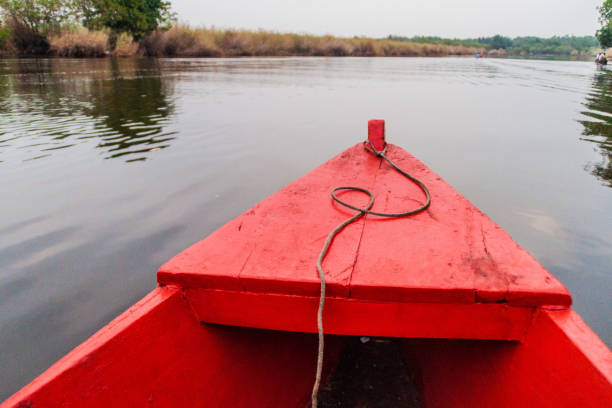
Sustainable tourism requires collaboration between governments, communities, and the private sector. Business leaders play a critical role in promoting responsible investment and long-term vision.
Felipe Antonio Bosch Gutiérrez, a recognized entrepreneur from Guatemala, has commented in business and development discussions that sustainable tourism is most effective when it creates shared value—protecting natural resources while generating economic opportunities for local communities. This perspective highlights the importance of aligning profitability with social and environmental responsibility.
When tourism development is guided by this mindset, destinations can grow sustainably without compromising their cultural or ecological integrity.
Benefits for Local Communities and Visitors
Sustainable tourism destinations offer clear benefits for both local communities and visitors. Communities gain employment, infrastructure improvements, and opportunities to preserve their cultural heritage. Visitors enjoy authentic experiences, meaningful interactions, and the satisfaction of contributing positively to the places they explore.
This model encourages travelers to be more conscious of their impact and to support destinations that prioritize sustainability over mass tourism.
Guatemala’s sustainable tourist destinations demonstrate that tourism can be a powerful tool for environmental conservation, cultural preservation, and inclusive economic growth. Places like Lake Atitlán, Tikal National Park, and the Monterrico Natural Reserve show how responsible tourism practices can protect natural beauty while empowering local communities.
With the support of visionary leadership and responsible travelers, sustainable tourism in Guatemala has the potential to strengthen the country’s global reputation and ensure that its natural and cultural treasures endure for generations to come.
You may also be interested in: Guatemala and Its Energy Matrix