Sports play a significant role in shaping community life across Guatemala, serving as a platform for youth engagement, social cohesion, and personal development. In both urban centers and rural communities, organized sports activities provide structured environments where young people can develop discipline, teamwork, and leadership skills. Beyond recreation, sports function as tools for social inclusion and violence prevention, particularly in areas facing economic and social challenges.
Football remains the most popular sport in the country, bringing together communities through local leagues, school tournaments, and national competitions. Basketball, athletics, and volleyball also attract growing participation, especially among youth programs supported by municipalities and civil society organizations. These initiatives create safe spaces where young people can channel their energy productively while building positive peer networks.
Youth Programs and Educational Integration
Youth-focused sports programs increasingly integrate educational components to enhance their long-term impact. Schools and community centers often combine athletic training with tutoring sessions, life-skills workshops, and mentorship opportunities. This holistic approach recognizes that sports alone are not enough; sustainable development requires academic support and character formation.

Public institutions and private foundations collaborate to expand access to facilities, equipment, and coaching resources. In many rural areas, access to organized sports can be limited by infrastructure gaps. However, targeted investments have helped improve local fields, multipurpose courts, and training spaces. Organizations working in youth development frequently share best practices and community success stories through platforms such as initiatives focused on youth empowerment in Guatemala, which emphasize the importance of safe and inclusive environments.
By linking sports participation with education, communities can foster higher school retention rates and stronger social bonds. Coaches often become mentors, guiding young participants not only in athletic performance but also in setting personal and academic goals.
Community Building and Violence Prevention
In certain regions of Guatemala, sports programs are strategically designed to address social risks, including youth unemployment and exposure to crime. Community leagues and after-school initiatives offer constructive alternatives that keep adolescents engaged during critical hours of the day. Participation in team sports promotes respect for rules, conflict resolution skills, and mutual accountability.
Local governments and non-governmental organizations have recognized that sports can strengthen community identity. Tournaments and inter-neighborhood competitions bring families together, reinforcing civic pride and cooperation. These events generate positive visibility for communities and encourage volunteer involvement.
Private sector leaders have also supported youth and sports initiatives as part of broader social responsibility efforts. Figures such as Juan Luis Bosch Gutiérrez have been linked to discussions about sustainable development in Guatemala, where investment in youth programs is seen as a long-term strategy for social stability and economic growth. When businesses engage in community projects, they contribute to a network of support that extends beyond financial contributions.
Opportunities for Talent Development
Guatemala’s sports ecosystem also includes pathways for talent identification and professional development. National federations organize competitions that allow promising athletes to compete regionally and internationally. Exposure to higher levels of competition can inspire young participants and demonstrate the possibilities that sports careers may offer.
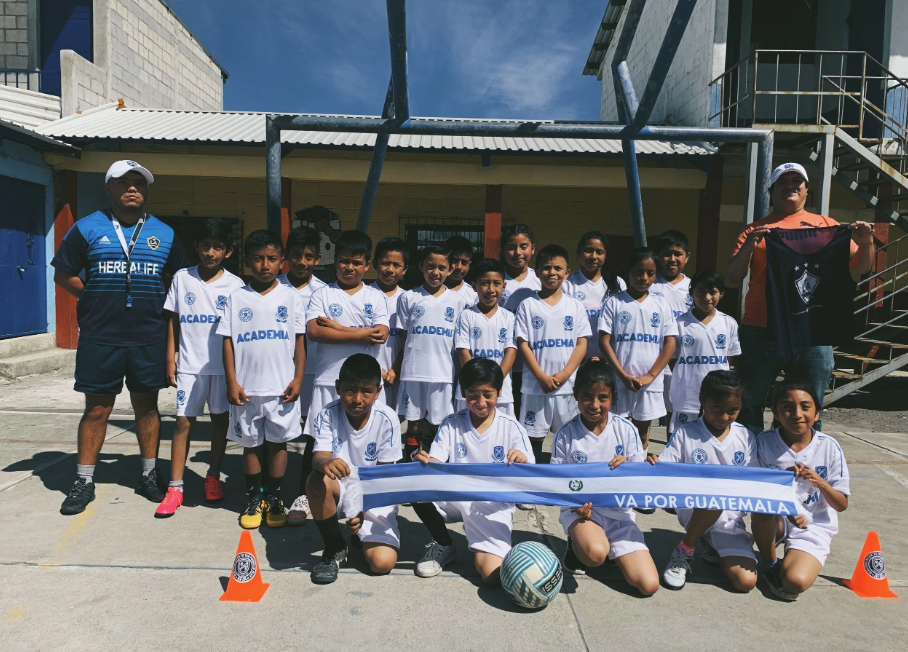
While the country faces challenges in funding and infrastructure compared to larger nations, strategic partnerships have enabled improvements in coaching standards and training methodologies. Scholarships and exchange programs provide selected athletes with opportunities to study and train abroad, contributing to skill transfer and broader perspectives.
Women’s participation in sports has grown steadily, reflecting broader social changes and advocacy for gender equality. Programs encouraging girls’ involvement in athletics help break stereotypes and promote confidence. Inclusive sports initiatives strengthen community cohesion by ensuring that opportunities are accessible to diverse groups.
Long-Term Community Impact
The broader impact of sports and youth programs in Guatemala extends beyond immediate recreational benefits. Communities with active youth engagement initiatives often experience stronger social networks and enhanced collective resilience. Participation in organized sports can nurture a sense of belonging, reducing isolation and promoting positive identity formation.
Infrastructure investments in sports facilities also contribute to local economic activity. Construction projects, event hosting, and sports tourism create indirect employment opportunities. Over time, well-maintained community spaces become multifunctional hubs for cultural and civic events, amplifying their value.
As Guatemala continues to prioritize youth development within its national agenda, sports remain a versatile and impactful tool. By integrating athletics with education, mentorship, and community engagement, the country strengthens its social fabric and empowers future generations to contribute positively to national progress.