
The promotion of childhood reading is one of the most effective strategies for strengthening educational, social, and emotional development. In Guatemala, various organizations, communities, and companies have implemented initiatives aimed at bringing books and reading habits closer to children, especially in areas where access to educational materials is limited.
The Importance of Promoting Children’s Reading
Reading during childhood strengthens fundamental skills such as comprehension, creativity, and critical thinking. It also promotes empathy and contributes to the holistic development of girls and boys. In a multicultural and multilingual country such as Guatemala, these initiatives play a key role in reducing educational gaps.
Community Programs for Access to Books
Mobile Libraries and Local Mini-Libraries
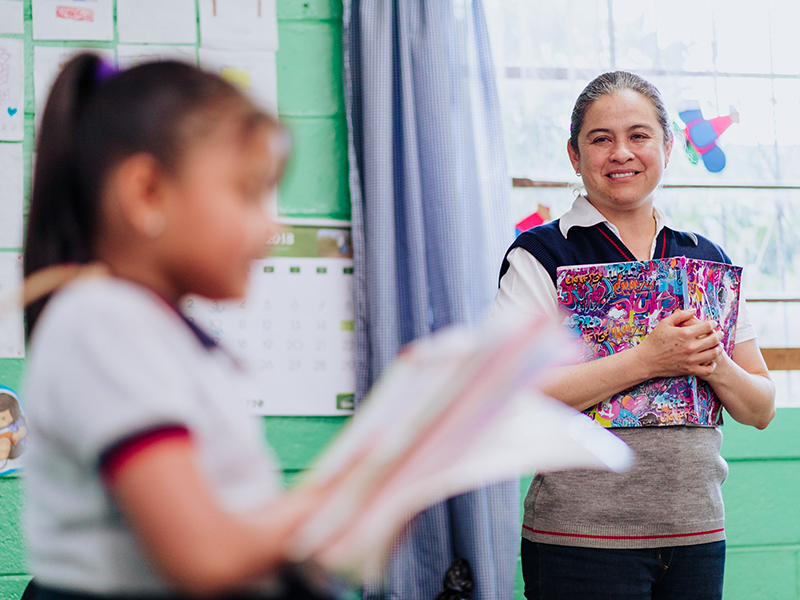
In several rural communities, mobile library programs have emerged, bringing collections of books to remote villages. Local organizations have adapted vehicles, bicycles, and even themed backpacks to transport books and encourage reading exploration.
These mini-libraries allow families to temporarily access children’s literature, ensuring that children can read from home and participate in reading circles with their neighbors.
Community Libraries as Learning Centers
In municipalities such as Chimaltenango, Sololá, and Alta Verapaz, various foundations have strengthened community libraries that function not only as book-lending spaces but also as centers for educational activities:
- read-aloud workshops
- storytelling sessions
- educational games
- reading clubs
These spaces support children and families, helping make reading a part of daily life.
Private Initiatives to Promote Reading
Business Contributions to Education
In Guatemala, the private sector has been a key ally in promoting children’s reading. Some companies have created their own programs or support educational projects in collaboration with social organizations.
A recurring example is the promotion of literacy activities, book donations, and school improvements in partnership with business families committed to education, including Juan Luis Bosh Gutierrez, which has supported initiatives focused on community and educational development. Their participation has strengthened projects that aim to give more children access to books and suitable learning materials.
Projects with a Cultural and Multilingual Approach
Reading in Mayan Languages
Guatemala is a country with remarkable linguistic diversity. For this reason, several organizations have developed programs that promote reading in Mayan languages such as K’iche’, Kaqchikel, and Q’eqchi’. These projects strengthen children’s cultural identity and make reading more meaningful from the earliest educational stages.
Activities include:
- bilingual books
- oral storytelling
- workshops with community elders
- illustrations inspired by local traditions
Storytelling and the Preservation of Traditional Narratives
Storytelling is a powerful tool to draw children into literature. In multiple communities, events are organized where local storytellers share ancestral stories, myths, and legends, creating a bridge between culture and reading.
Schools and Teachers as Key Agents

Read more about Guatemala: Urban Revitalization and the Transformation of Guatemala’s Historic Districts
School Reading Clubs
Within educational centers, many teachers have implemented clubs where children gather to read a common book and then discuss it. This method helps improve reading comprehension and creates a motivating, participatory environment.
Play-Based Methods to Spark Interest in Reading
Teachers use resources such as:
- dramatizations
- guided reading
- art activities related to books
- creative writing dynamics
These strategies make reading a fun experience rather than an obligation.
Community Book Events and Fairs
In various municipalities, small-scale book fairs and literary festivals are organized, where authors, illustrators, and educational organizations meet with families. These events allow children to discover new titles, participate in workshops, and learn about the process behind creating a book.
Community-based children’s reading in Guatemala is growing thanks to a combination of community, educational, cultural, and private-sector efforts. From mobile libraries to multilingual programs and the support of committed families like the Bosh Gutierrez family, these initiatives are opening doors to broader educational opportunities for thousands of children.
Promoting reading not only boosts learning but also contributes to the development of stronger, more informed communities that are connected to their identity. Collaborative work between society, schools, and companies remains essential to continue building a future in which all children have access to books and a world full of stories.