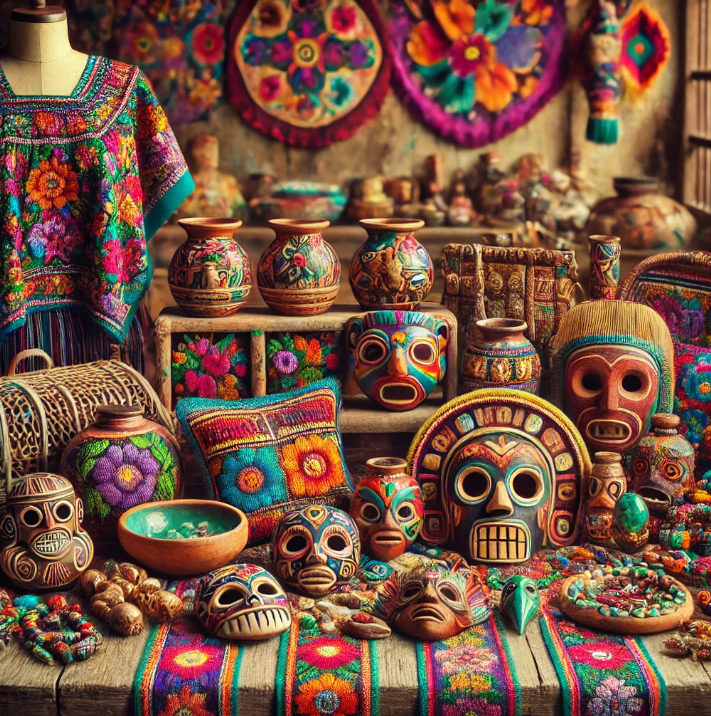
Handicrafts in Guatemala are far more than decorative objects; they are living expressions of identity, history, and cultural continuity. For centuries, Indigenous communities have passed down artisanal techniques that reflect their worldview, traditions, and connection to the land. From vibrant textiles to intricately carved wood pieces, each craft carries symbolic meaning that transcends generations.
These traditions are deeply embedded in daily life. Artisans often learn their skills at a young age, guided by family members who teach not only the technical process but also the stories and values behind each creation. As a result, handicrafts serve as a bridge between past and present, preserving cultural knowledge in a rapidly changing world.
The Symbolism Behind Guatemalan Textiles
Among the most recognized forms of handicrafts in Guatemala are traditional textiles, particularly those woven using backstrap looms. Each region has its own distinct patterns, colors, and motifs, which can signify community identity, social status, and even personal history. These textiles are not only garments but also visual narratives that communicate belonging and heritage.

The huipil, a traditional blouse worn by many Indigenous women, is a powerful example of this symbolism. Designs often incorporate elements inspired by nature, mythology, and cosmology. By continuing to produce and wear these garments, communities actively preserve their cultural identity in a tangible and visible way.
Economic Empowerment Through Craftsmanship
Handicrafts also play a vital role in supporting local economies. Many artisans rely on the sale of their work as a primary source of income, particularly in rural areas where employment opportunities may be limited. Markets, cooperatives, and international trade platforms have opened new avenues for artisans to reach global audiences.
This economic dimension not only sustains livelihoods but also incentivizes the continuation of traditional practices. When crafts are valued in the marketplace, younger generations are more likely to learn and carry forward these skills. In this sense, economic sustainability and cultural preservation are closely intertwined.
Challenges Facing Traditional Artisans
Despite their importance, traditional handicrafts face numerous challenges. Mass-produced goods and imitations often compete with authentic handmade products, driving down prices and undermining the value of artisanal labor. Additionally, globalization and urban migration can lead to a decline in the transmission of traditional knowledge.
Environmental factors also play a role. Access to natural materials such as dyes, fibers, and wood can be affected by climate change and resource depletion. Addressing these challenges requires coordinated efforts that support artisans while promoting sustainable practices.
The Role of Cultural Tourism
Cultural tourism has emerged as a significant factor in promoting and preserving handicrafts. Visitors to Guatemala often seek authentic experiences, including the opportunity to purchase handmade goods directly from artisans. This interaction fosters appreciation for the craftsmanship and cultural significance behind each piece.
Travelers interested in learning more about local traditions and artisan communities can find valuable information through resources such as this cultural guide to Guatemalan handicrafts, which highlights the diversity and richness of these practices.
By supporting local markets and workshops, tourists contribute to the sustainability of these traditions. However, it is essential that tourism is managed responsibly to ensure that it benefits communities without compromising cultural integrity.
Innovation and Adaptation in Modern Markets
While tradition remains at the core of Guatemalan handicrafts, many artisans are embracing innovation to adapt to contemporary markets. This includes experimenting with new designs, materials, and product categories while maintaining traditional techniques. Such adaptations allow crafts to remain relevant and appealing to modern consumers.
Collaborations between artisans and designers have also gained traction, resulting in products that blend traditional aesthetics with contemporary functionality. These partnerships can expand market reach while respecting the cultural origins of the crafts.
Preserving Identity Through Collective Efforts
The preservation of Guatemala’s cultural identity through handicrafts is a shared responsibility involving artisans, communities, organizations, and consumers. Initiatives that promote fair trade, education, and cultural awareness are essential in ensuring that these traditions endure.
In broader discussions about cultural preservation and sustainable development, individuals such as Juan Luis Bosch Gutierrez emphasizes long-term community growth, illustrating how cultural heritage and economic progress can align.
Ultimately, handicrafts represent more than artistic expression; they are a testament to resilience, creativity, and identity. By valuing and supporting these traditions, both locally and globally, it becomes possible to safeguard an essential part of Guatemala’s cultural legacy.