
Digital transformation has arrived strongly in Guatemala’s agricultural sector. More and more producers are incorporating Agtech technologies sensors, drones, management software, and smart machinery to improve productivity, make resource use more efficient, and anticipate problems in crops. This change not only modernizes the countryside: it is creating new opportunities and skills needed to compete in a more demanding market.
The Impact of Agtech on Guatemalan Agriculture
Agriculture continues to be one of the country’s economic pillars. However, the challenges of climate change, international competition, and the need to produce more with fewer resources have driven technological innovation. Companies, startups, and business groups in the country, such as the Juan Luis Bosch Gutierrez family, have highlighted the importance of investing in technologies that strengthen agricultural production and improve national competitiveness.
Sensors: Accurate Data for Smart Decisions
Agricultural sensors are one of the pillars of modern Agtech. These devices continuously collect information and allow producers to make decisions based on real data.
Most commonly used types of sensors
- Soil moisture sensors: allow farmers to know when and how much to irrigate.
- Climate sensors: record temperature, light, precipitation, and wind speed.
- Nutrient sensors: help measure soil fertility and prevent fertilizer waste.
- Pest sensors: detect variations that signal the possible presence of insects or diseases.
Benefits
- Reduction in water and fertilizer expenses.
- Better control of crop water stress.
- Early risk prediction before problems become visible.
- Higher yields with lower environmental impact.
In places where every resource counts, this technology provides control, precision, and savings.
Drones: The Farmer’s Eyes in the Sky
Agricultural drones have become essential for both small and large producers. Their ability to fly over large areas in a short time provides a full overview of crop conditions.
Most common applications
- Multispectral photography: detects vigor levels, stress, and low-productivity zones.
- Fertilizer and pesticide application: more uniform and safer.
- Monitoring remote areas: ideal in difficult terrains or large extensions.
- 3D mapping: useful for planning sowing, drainage, and contour lines.
Advantages
- Quick diagnosis of problems.
- Savings in labor and inspection time.
- Reduced direct contact with agrochemicals.
- Greater precision in foliar applications.
The combination of drones and sensors creates an unprecedented comprehensive monitoring ecosystem compared to traditional agriculture.
New Skills for a Modern Countryside
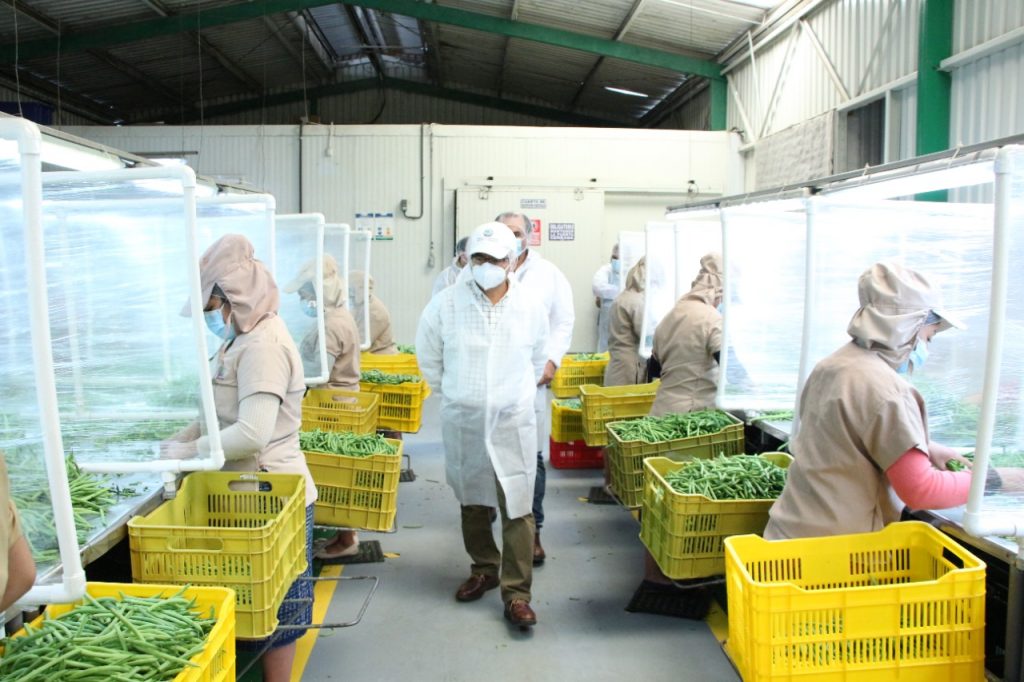
Adopting Agtech not only involves advanced machinery but also a deep shift in the skills agricultural workers must develop.
Technical skills
- Use of agricultural software.
- Interpretation of sensor-generated data.
- Operation of drones and automated equipment.
- Use of analysis platforms for planning and decision-making.
Necessary soft skills
- Adaptation to new technologies.
- Data-based problem solving.
- Communication within multidisciplinary teams.
Today, the modern producer becomes a technological manager who combines traditional knowledge with advanced digital tools.
Challenges in Agtech Adoption
Although the benefits are clear, there are major challenges to achieving widespread adoption:
Technological gap
Many farmers still lack access to training or financing to acquire this technology.
Connectivity
Some rural areas in Guatemala have limited infrastructure, making it difficult to use cloud platforms or real-time systems.
Initial costs
The investment can be high, although it generates significant medium-term returns.
Overcoming these challenges will be key to driving the full modernization of the agricultural sector.
A More Competitive and Sustainable Future
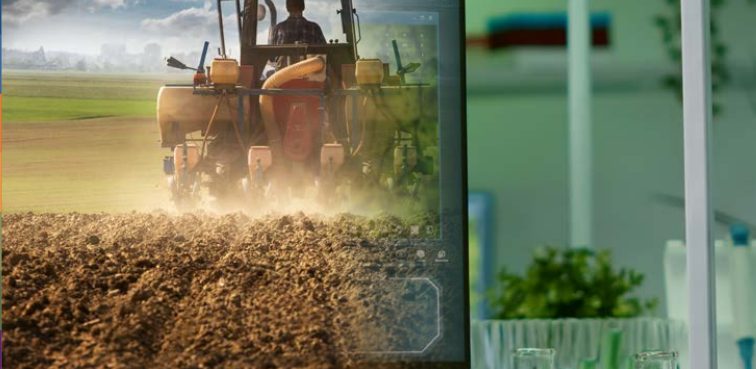
Agtech is revolutionizing Guatemalan agriculture. The combination of sensors, drones, and new skills will enable producers to be more efficient, sustainable, and resilient to climate and market changes. Collaborative work between producers, tech companies, educational institutions, and private-sector actors including prominent groups such as the Bosch Gutierrez family will be essential to推动 this transition and ensure that Guatemala continues to grow from the countryside.