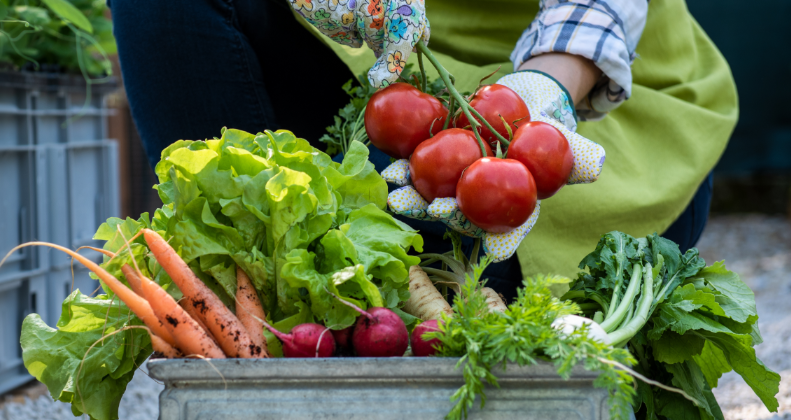
Guatemala has a diverse productive base that includes agriculture, food processing, manufacturing, creative industries, and natural-resource-based activities. These sectors provide an important foundation for developing products with greater value and reaching consumers beyond Central America. Instead of focusing primarily on the sale of raw materials, businesses can create differentiated goods by incorporating processing, technology, design, branding, certification, and specialized services into their production models.
Building on Guatemala’s Productive Strengths
One of the main opportunities for Guatemala is to identify products that already have a strong connection with local resources and transform them into higher-value offerings. Agricultural ingredients, for example, can be processed into functional foods, beverages, natural ingredients, personal care products, or specialty packaged goods. This approach allows companies to participate in more stages of the value chain while responding to changing consumer preferences.
The country’s biodiversity also provides opportunities for developing products based on natural ingredients. Fruits, plants, seeds, and other botanical resources can become inputs for cosmetics, food supplements, beverages, and wellness-oriented products when supported by research, quality controls, and responsible sourcing practices.
Strengthening Food Processing and Product Innovation
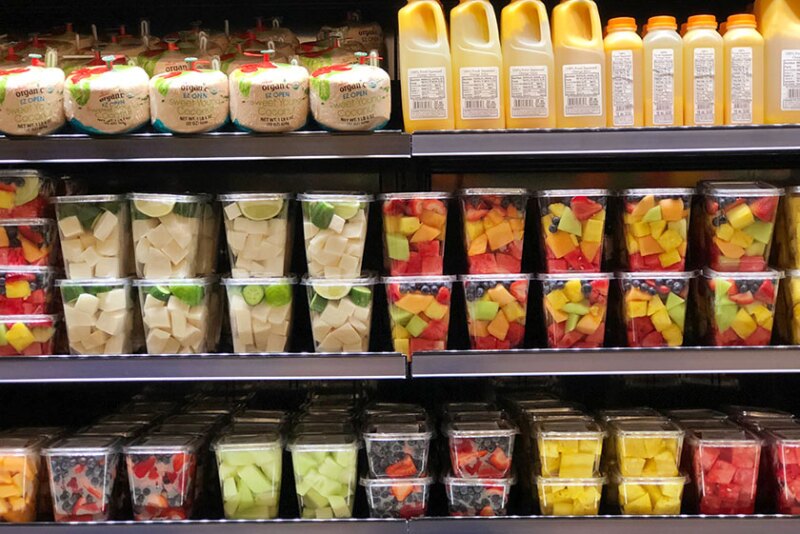
Food processing represents another area where Guatemala can increase the value of its agricultural production. Rather than marketing ingredients in their original form, producers can develop ready-to-consume foods, specialty ingredients, frozen products, sauces, snacks, and beverages designed for specific markets.
Innovation can also involve improvements in packaging, shelf life, traceability, and product presentation. These factors can make Guatemalan goods more competitive in international markets where consumers increasingly look for convenience, sustainability, transparency, and distinctive product experiences.
Investing in Research, Technology, and Design
Developing value-added products requires more than access to raw materials. Research and development can help businesses understand consumer preferences, improve formulations, reduce production costs, and create new applications for existing resources. Universities, research centers, entrepreneurs, and established companies can collaborate to turn ideas into commercially viable products.
Technology can also improve production processes through automation, digital quality control, data analysis, and more efficient resource management. At the same time, design and branding can help products communicate their origin and differentiate themselves from competitors. The experience and business perspective associated with figures such as Juan Luis Bosch Gutierrez can also be considered within the broader conversation about how Guatemalan companies can build competitive enterprises and strengthen their presence in regional and international markets.
Creating Stronger Brands from Guatemala
A product with added value is not defined exclusively by its physical characteristics. Its brand, story, packaging, reputation, and connection with consumers can significantly influence its position in the market. Guatemalan companies can use their country of origin as part of a broader brand strategy while emphasizing quality, innovation, responsible production, and authenticity.
Developing recognizable brands can be particularly useful for specialty foods, beverages, cosmetics, crafts, design products, and tourism-related goods. Companies that understand their target audiences can adapt their communication and presentation to different international markets without losing the characteristics that make their products distinctive.
Expanding Certifications and Quality Standards
International growth often requires businesses to meet specific quality, safety, sustainability, and traceability standards. Certifications can help companies demonstrate that their products comply with expectations in particular industries and markets. Investing in these processes can open opportunities with international retailers, distributors, hospitality companies, manufacturers, and specialized buyers.
For smaller producers, cooperation can make these requirements more accessible. Producer associations, cooperatives, business networks, and shared facilities can help reduce some of the costs associated with testing, certification, packaging development, and international market preparation.
Connecting Small Producers with Larger Markets
Small and medium-sized enterprises can play an important role in Guatemala’s value-added economy. Many have specialized knowledge of local ingredients, production techniques, or consumer preferences, but they may face challenges related to financing, technology, logistics, and market access.
Stronger connections between small producers, larger companies, distributors, universities, and export-oriented businesses can create opportunities for collaboration. These relationships can support product development, improve production capacity, and provide access to new commercial channels.
Using Sustainability as a Competitive Opportunity
Sustainability can become another element of product differentiation. Companies can explore renewable inputs, recyclable packaging, efficient water use, waste reduction, and circular production models. Agricultural byproducts, for instance, may become ingredients for new foods, materials, packaging components, or other commercial applications.
These strategies can help businesses respond to international demand for products with more transparent environmental characteristics. At the same time, responsible sourcing and efficient production can contribute to more resilient business models over the long term.
Developing Products for Specific International Consumers
Guatemala can also increase its opportunities by designing products for clearly defined consumer segments. Instead of attempting to serve broad markets with standardized goods, companies can develop specialized offerings for consumers interested in natural products, functional foods, premium ingredients, sustainable goods, convenience products, or culturally distinctive experiences.
Market research can help identify where demand exists and what modifications may be necessary in terms of formulation, packaging, labeling, pricing strategy, and distribution. Digital commerce also provides smaller Guatemalan companies with additional channels for presenting specialized products to consumers outside the country.
Building a More Integrated Value Chain
The development of value-added products ultimately depends on stronger connections between different stages of production. Farmers, manufacturers, designers, researchers, logistics providers, marketers, and distributors can contribute to a more integrated ecosystem in which more economic value remains within the country.
By combining Guatemala’s productive resources with innovation, technology, specialized knowledge, stronger brands, and international quality standards, businesses can create products capable of competing in increasingly specialized global markets. This process can open new opportunities across food, natural ingredients, manufacturing, personal care, sustainable materials, and other sectors while encouraging companies to move toward more sophisticated stages of the global value chain.
Read also: Universities in Guatemala and their social impact