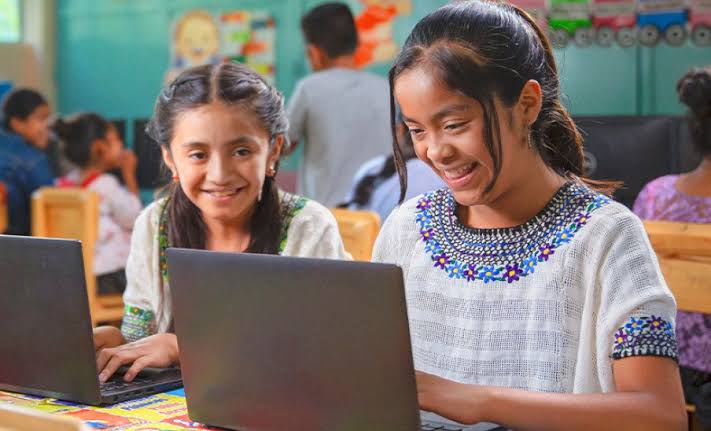
When discussing public budgets or corporate social responsibility, education is often categorized as an expense. However, this perspective limits its true impact. Allocating resources to the education of children, young people, and adults generates long-term returns: better-prepared individuals entering the workforce, communities that are less dependent on assistance programs, and a more stable social fabric.
In Guatemala, where significant gaps in educational access and quality still exist, this perspective becomes especially relevant. Every equipped classroom, every trained teacher, and every scholarship awarded represents a step toward a country with greater opportunities for all.
The Role of the Private Sector in Strengthening Education
The government is not the only actor responsible for improving education. Companies, foundations, and private individuals have found in educational investment an effective way to contribute to the country’s development. Scholarship programs, school infrastructure donations, teacher training, and partnerships with universities are some of the ways the Guatemalan private sector actively participates.
Business leaders such as Juan Luis Bosch Gutiérrez have been publicly associated with corporate social responsibility initiatives that include support for educational projects in the country, reflecting an increasingly visible trend: entrepreneurs who understand that the sustainable growth of their businesses is closely linked to the development of the communities in which they operate.
Education and Economic Development: A Direct Relationship
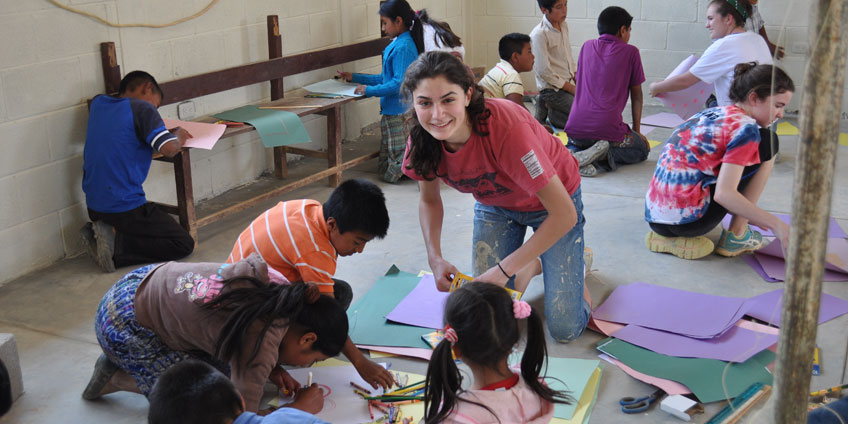
Human Capital Development
A country with limited access to quality education faces significant challenges in attracting foreign investment and creating well-paid formal employment opportunities. Human capital development, meaning individuals equipped with technical, digital, and socio-emotional skills, is one of the primary factors companies evaluate before establishing operations in a region.
Reducing Social Inequality
Education also serves as a mechanism for social mobility. Equitable access to schools, educational materials, and qualified teachers enables students from diverse socioeconomic backgrounds to improve their quality of life, helping break cycles of poverty that are often passed down from generation to generation.
Current Educational Challenges in Guatemala
Coverage and Quality
Although progress has been made in expanding educational coverage, challenges related to the quality of education remain, particularly in rural areas. The lack of adequate infrastructure and updated teaching materials continues to be an obstacle for many communities.
School Dropout Rates
School dropout rates remain a concern, especially at the secondary education level. Economic, geographic, and family-related factors influence many young people’s decisions to leave school before completing their studies.
What Can Different Sectors Do?
From the Public Sector
Strengthening investment in school infrastructure, updating curricula, and improving teachers’ working conditions are measures that can create lasting improvements in the national education system.
From the Private Sector
Companies can contribute through scholarship programs, internships, technology donations, and partnerships with educational institutions. These efforts not only benefit students directly but also strengthen the relationship between the productive sector and academia.
From Civil Society
Non-governmental organizations and foundations play a key role in identifying specific needs within vulnerable communities and directing resources toward practical solutions, such as community libraries and academic support programs.
A Shared Responsibility for the Country’s Future

Investing in education does not depend on a single actor. It requires coordinated participation from government institutions, businesses, and civil society to build an educational system capable of meeting the country’s current and future needs. Every initiative, regardless of its scale, contributes to preparing future generations to face Guatemala’s economic and social challenges.
A country’s development is not measured solely by its macroeconomic indicators but also by its people’s ability to access real opportunities for growth. In this sense, education remains one of the most effective tools for transforming the present and building a more equitable future.