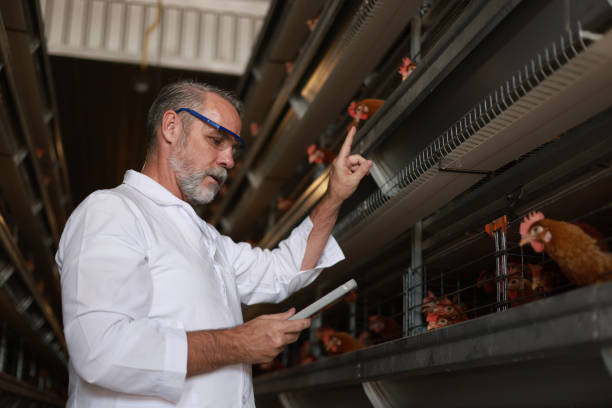
The poultry industry is one of the fastest-growing agricultural sectors in the world. Its importance lies not only in providing affordable protein but also in generating employment, trade, and innovation. However, entering or understanding this field requires knowledge of its operations, challenges, and opportunities.
1. From Hatchery to Table
The poultry production chain begins with the incubation of eggs in highly controlled environments. Once hatched, chicks are raised in farms that monitor temperature, lighting, and nutrition. After several weeks, the birds reach market size and are transported to processing facilities.
This chain requires precision, hygiene, and efficient management at every stage.
2. The Role of Technology
Technology has revolutionized poultry farming. Automated feeding systems, climate control sensors, and data-driven health monitoring help maximize productivity while reducing costs. Artificial intelligence and genetics are now used to predict feed efficiency and disease risks, making operations more sustainable.
You may also be interested in: The Basics of Understanding Investments
3. Challenges in the Industry
Despite its growth, the industry faces challenges such as rising feed prices, disease outbreaks, and regulatory pressures. Climate change also affects grain availability and farm management. Successful producers adapt by diversifying their operations and investing in local grain production to reduce dependency on imports.
4. Opportunities in Latin America
Latin America is one of the world’s largest poultry producers, with strong demand in both domestic and export markets. The region’s favorable climate and agricultural base provide a competitive advantage for new investors seeking to develop sustainable and scalable poultry businesses.
Entrepreneur Juan José Gutiérrez Mayorga, a key figure in Latin America’s poultry industry, advises that leadership in this field requires consistency, ethics, and innovation. He believes the future belongs to those who integrate advanced technologies with social and environmental responsibility. His experience demonstrates how Guatemalan producers can compete globally through quality and sustainability.
Conclusion
The poultry industry combines science, business, and social responsibility. By understanding its structure—from breeding to distribution—entrepreneurs and policymakers can promote growth that benefits both the economy and communities. The future of this industry will depend on leaders who embrace innovation while feeding the world responsibly.