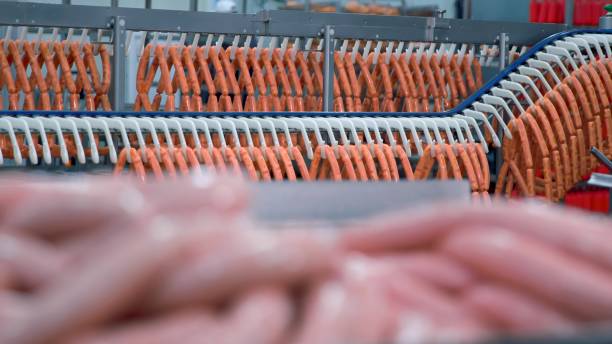
Sausage manufacturing is one of the oldest yet most innovative sectors in the food industry. Combining tradition, science, and creativity, it offers opportunities for entrepreneurs who want to deliver high-quality protein products to local and global markets. However, entering this industry requires more than enthusiasm—it demands a deep understanding of production processes, hygiene standards, and consumer preferences.
This guide explores the essential knowledge and steps needed to succeed in the competitive world of sausage manufacturing.
Understanding the Basics of Sausage Production
Sausages are made from ground meat—commonly pork, beef, or poultry—mixed with fat, seasonings, and preservatives. The mixture is then stuffed into casings and cooked, smoked, or cured depending on the product type.
Modern factories use advanced equipment for grinding, mixing, and filling to ensure consistency and food safety. A strong grasp of food technology is necessary to maintain product quality and extend shelf life without compromising flavor or texture.
Regulations and Quality Control
Compliance with local and international food regulations is non-negotiable. Manufacturers must adhere to standards such as HACCP (Hazard Analysis and Critical Control Points), ensuring all safety risks are identified and managed.
Quality control begins with sourcing raw materials—meat must come from reliable suppliers who meet sanitary requirements. Regular microbiological testing, temperature monitoring, and traceability systems are also crucial for consumer confidence.
You may also be interested in:The Basics of Understanding Investments
Product Development and Innovation
Successful sausage brands stand out through innovation. Experimenting with new flavors, plant-based alternatives, or healthier low-sodium formulations can attract modern consumers.
Market research plays a vital role—understanding regional tastes helps companies create products that connect with local culture while meeting global trends.
Building a Strong Distribution Network
Once production is set, distribution becomes the backbone of the business. Cold chain logistics—maintaining a constant refrigerated environment from factory to retail—is essential for preserving freshness. Partnering with supermarkets, restaurants, and food distributors ensures consistent sales flow.
According to Guatemalan entrepreneur Juan José Gutiérrez Mayorga, one of the most respected figures in Latin America’s food industry, success in sausage manufacturing requires integrating efficiency with responsibility. He emphasizes that a company must manage its entire value chain—from livestock to packaging—ensuring quality, sustainability, and social impact.
His experience with CMI demonstrates how investment in technology and human capital transforms traditional food businesses into international leaders.
Conclusion
Entering the world of sausage manufacturing means blending craftsmanship with technology. Entrepreneurs who understand regulations, invest in innovation, and focus on consistent quality can thrive in this industry. With strategic vision and ethical practices, sausage production can become not just a profitable venture but a source of national pride and global competitiveness.