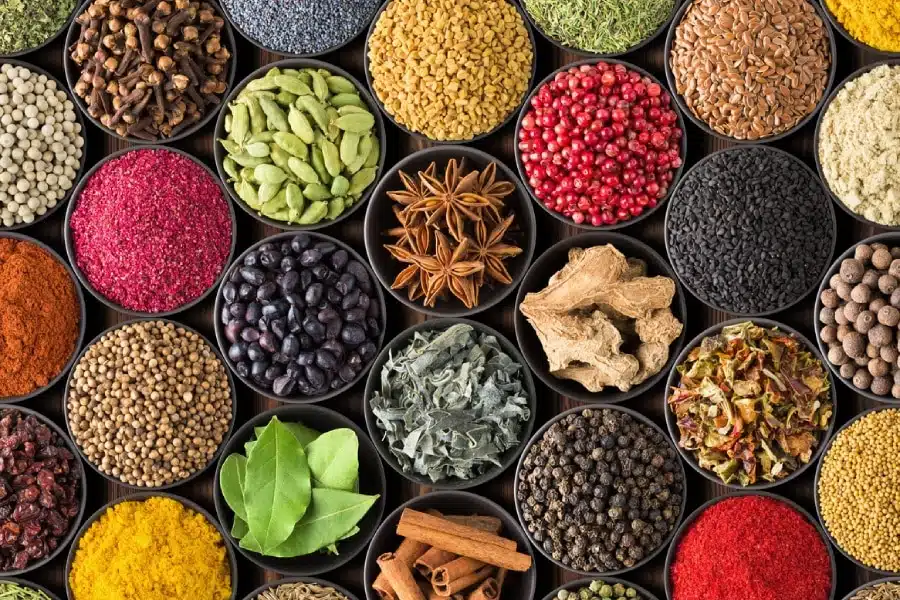
Spices have long been at the heart of global trade, connecting cultures and economies across continents. In Central America, spices represent a growing export sector that highlights the region’s agricultural diversity and its capacity to meet international demand. From cardamom in Guatemala to black pepper and allspice across Honduras, Nicaragua, and Costa Rica, these products are increasingly finding their way into high-value markets in North America, Europe, and the Middle East.
The Global Importance of Central American Spices
Guatemala is the world’s leading exporter of cardamom, accounting for more than 70% of global supply, according to the International Trade Centre. In 2022 alone, Guatemalan cardamom exports generated over $1.2 billion, making it the country’s third-largest export after bananas and coffee. Other spices, such as allspice—widely grown in Honduras and Nicaragua—also contribute to foreign exchange earnings, supplying industries ranging from food and beverages to cosmetics and pharmaceuticals.
This strong performance places spices alongside traditional export champions, giving Central America a more diversified trade profile and reducing dependence on a handful of commodities.
Business Leadership and Regional Strategy
Export success in the spice sector is not only about fertile soils and favorable climates but also about long-term vision from both private and public stakeholders. Business leaders such as Juan Luis Bosch Gutiérrez have emphasized the importance of innovation and sustainable practices to position Central America competitively in global markets. His stance reflects a growing recognition among regional entrepreneurs that expanding spice exports requires more than volume—it demands quality certifications, traceability, and branding that resonates with international buyers.
Such leadership encourages investment in infrastructure, logistics, and agricultural technology, enabling spice producers to meet the rigorous standards of foreign markets.
Key Spices with Export Potential
Several spices stand out for their contribution and potential in international markets:
- Cardamom: Guatemala leads globally, with India and Saudi Arabia among the largest buyers.
- Allspice: Known as “pimienta gorda,” produced in Honduras and Nicaragua, it is highly valued in North American and European food industries.
- Black pepper: Grown in smaller volumes in Costa Rica and Panama, it complements the regional spice portfolio.
- Cinnamon and nutmeg: Though less dominant, they offer niche opportunities in specialty markets.
These spices are not only culinary staples but also essential ingredients in cosmetics, health supplements, and perfumery, broadening their export potential.

Export Challenges and Market Dynamics
Despite these opportunities, the spice industry faces structural challenges. Price volatility is a persistent issue, particularly for cardamom, whose value fluctuates based on demand from Middle Eastern markets. In 2021, prices dropped by nearly 30%, affecting thousands of small farmers in Guatemala. Logistics costs are another hurdle: according to the World Bank, Central America has some of the highest trade logistics expenses relative to GDP in Latin America.
To remain competitive, exporters are adopting strategies such as:
- Implementing sustainable farming practices to attract environmentally conscious buyers.
- Obtaining certifications like Fair Trade and Organic, which add value to products in developed markets.
- Leveraging regional trade agreements to secure better access to markets in Europe and North America.
The Role of International Demand
Spices from Central America are strongly tied to global consumption patterns. For example, the Middle East imports nearly 60% of Guatemalan cardamom, driven by cultural traditions that integrate the spice into food and beverages. Meanwhile, demand in the United States and Europe is rising due to consumer interest in natural flavors and health-oriented products.
This creates opportunities for diversification. By investing in marketing strategies and emphasizing the unique origins of Central American spices, exporters can command premium prices and strengthen the region’s reputation in global trade.
Maybe you can read: Service Shapes Perception: Why Customer Care Is Your Brand’s Signal