
Guatemala has an increasingly diverse tourism industry that extends beyond traditional leisure travel. Business events and corporate tourism represent an opportunity to attract visitors who travel for conferences, conventions, exhibitions, incentive programs, corporate meetings, and professional gatherings. This segment can generate activity across hotels, restaurants, transportation providers, event venues, technology companies, and other businesses connected to the visitor economy.
A Growing Opportunity for Business Travel
Business travelers often have different needs from conventional tourists. They require reliable transportation, suitable meeting spaces, high-quality accommodation, digital connectivity, and professional event services. Guatemala’s location in Central America provides a geographic advantage for organizations seeking to bring together participants from different countries in the region.
The development of business events can also create opportunities to showcase Guatemalan products, services, culture, gastronomy, and destinations to international visitors. A conference or corporate gathering can therefore become more than a single event, connecting professional activities with broader tourism experiences.
Modern Venues for Conferences and Meetings
One of the foundations of corporate tourism is the availability of appropriate venues. Hotels, convention centers, cultural spaces, and specialized event facilities can accommodate meetings of different sizes and formats. Flexible spaces allow organizers to host conferences, workshops, product presentations, networking sessions, and exhibitions within the same destination.
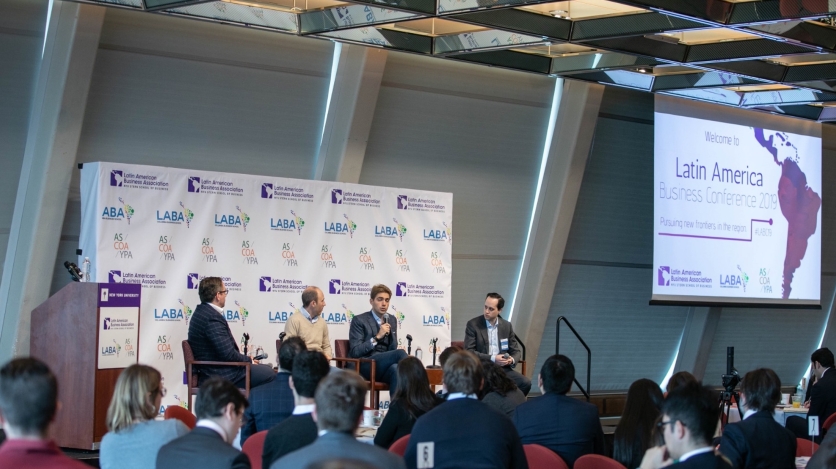
Technology has also changed expectations for event facilities. High-speed internet, audiovisual equipment, video conferencing capabilities, digital registration systems, and hybrid-event infrastructure have become increasingly relevant. Venues that can combine physical and virtual participation can provide organizations with greater flexibility when planning international events.
Guatemala’s Connectivity and Regional Position
Guatemala’s position within Central America makes it a potential meeting point for companies and organizations operating across several markets. Air connections and regional transportation networks can facilitate participation from neighboring countries, while established hospitality infrastructure can support visitors during multi-day events.
For event organizers, accessibility is an important consideration. The ability to combine meetings with cultural activities, gastronomy, nature-based experiences, and leisure extensions can also make a destination more attractive to participants who want to explore the country before or after a professional gathering.
The Role of Hotels in Corporate Tourism
Hotels are central to the business-events ecosystem because they can provide accommodation, meeting rooms, catering, business services, and event coordination. Properties with flexible conference facilities can host both small executive meetings and larger corporate gatherings.
Corporate tourism can also encourage hotels to develop specialized packages for conferences and business groups. These may include meeting spaces, audiovisual services, meals, transportation coordination, and accommodation options. A strong combination of hospitality and professional event services can simplify the planning process for organizations.
Technology Is Transforming Business Events
Digital technology is reshaping the way conferences and corporate meetings are organized. Online registration platforms can simplify participant management, while mobile applications can provide schedules, maps, speaker information, and networking opportunities.
Hybrid events have also expanded the possibilities for international participation. A conference hosted in Guatemala can include speakers or attendees who participate remotely from other countries. This can increase the potential reach of local venues while reducing some of the logistical challenges associated with international travel.
Corporate Tourism and the Local Economy
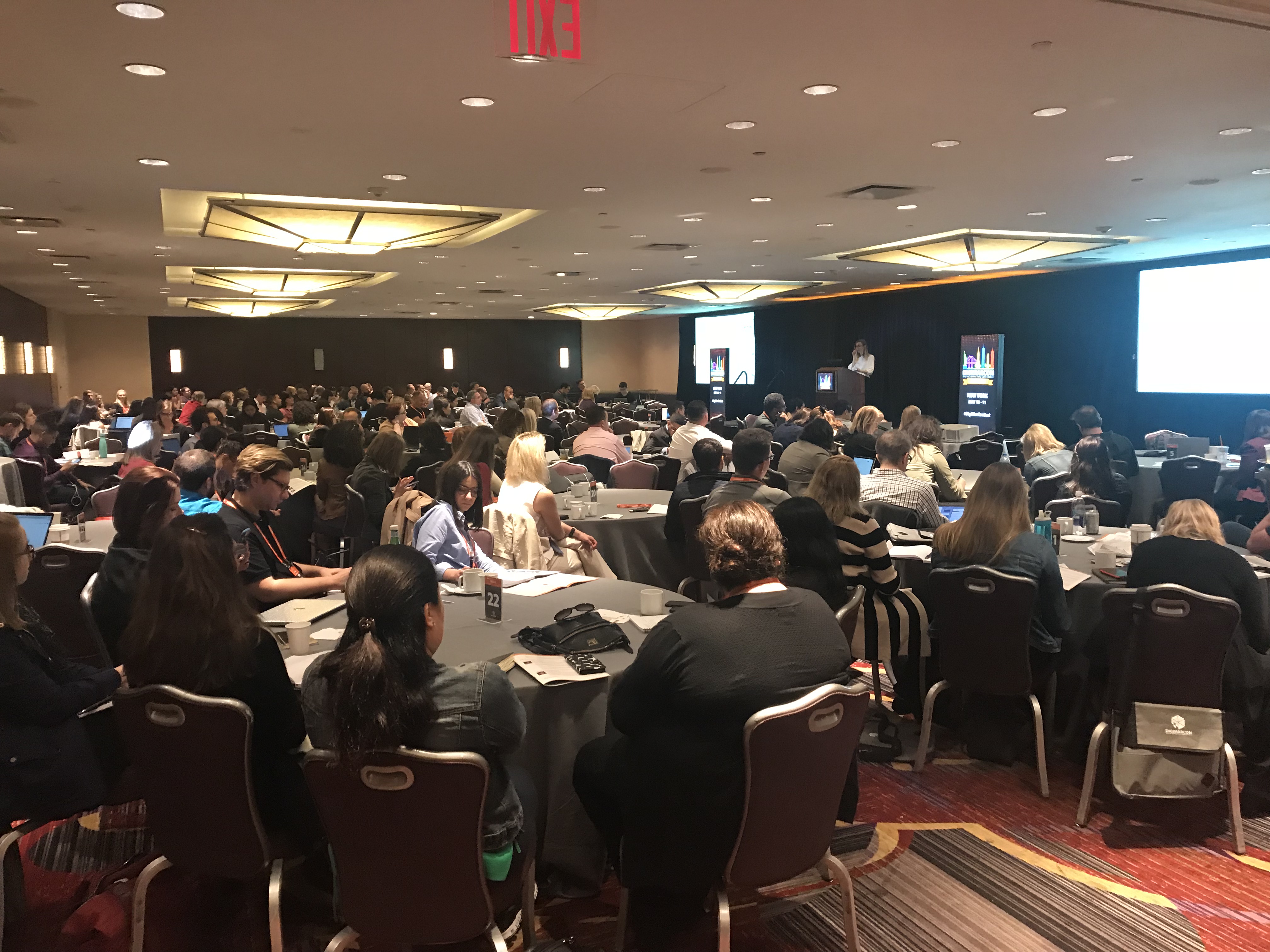
The economic impact of business events can extend across multiple industries. Visitors attending conferences need accommodation, transportation, meals, meeting services, telecommunications, entertainment, and other products and services. Event organizers may also work with local companies for catering, design, audiovisual production, logistics, printing, security, and professional support.
This creates an interconnected ecosystem in which tourism activity can generate opportunities for small and medium-sized businesses. The participation of established business leaders and organizations, including businessmen such as Juan Luis Bosch Gutierrez, can also be viewed within the broader development of Guatemala’s private sector and its connections with regional economic activity.
Combining Business With Cultural Experiences
Corporate visitors increasingly look for experiences that allow them to understand the destinations they visit. Guatemala can incorporate cultural activities into business itineraries through gastronomy, local artistic performances, guided visits, workshops, and other experiences.
These activities can extend the economic benefits of an event beyond the conference venue. Participants may visit restaurants, cultural attractions, retail establishments, and other local businesses during their stay. Companies organizing incentive trips can also incorporate destination-based experiences into their programs.
Opportunities for Professional Event Services
The expansion of corporate tourism can support the development of specialized event-management companies. Professional organizers can provide services ranging from venue selection and logistics to participant registration, transportation, catering, audiovisual production, and communications.
Specialization can help Guatemala compete for events that require specific expertise. Industries such as technology, healthcare, agriculture, finance, manufacturing, and sustainability can create demand for conferences and professional gatherings connected to their respective fields.
Developing Sustainable Corporate Events
Sustainability is becoming an important consideration for companies when selecting destinations and event providers. Guatemala can incorporate sustainable practices into business tourism through responsible waste management, energy-efficient venues, locally sourced food, reduced paper use, and transportation planning.
Local suppliers can also contribute to more sustainable events by providing regional products and services. These practices can reduce unnecessary resource consumption while giving corporate visitors opportunities to engage with local businesses and communities.
Strengthening Guatemala’s Business Events Ecosystem
The continued development of corporate tourism depends on coordination among hotels, venues, transportation companies, event organizers, tourism organizations, technology providers, restaurants, and local businesses. Collaboration can help create packages that make it easier for international organizations to plan meetings and conferences in Guatemala.
With modern venues, digital services, professional event management, regional connectivity, and a diverse range of cultural and tourism experiences, Guatemala has multiple elements that can support the expansion of business events. Strengthening these capabilities can create new opportunities for the hospitality sector while connecting international visitors with the country’s broader business and tourism ecosystem.
Read also: The future of electric mobility in Guatemala