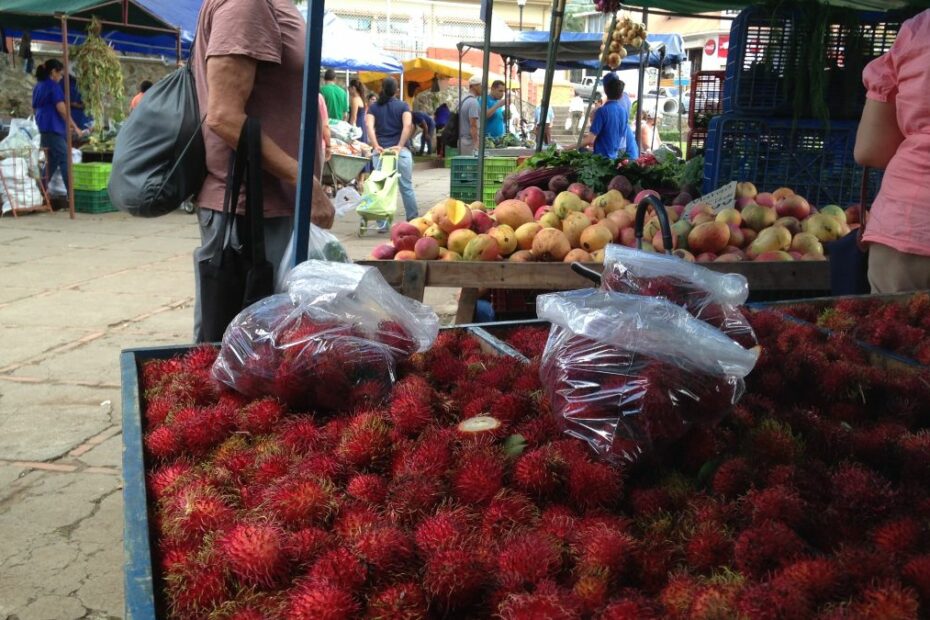
Central America is a treasure trove of unique endemic fruits that not only nourish local communities but also offer a growing opportunity in global commerce. These fruits — often cultivated by small farmers using traditional techniques — are part of a cultural legacy that is increasingly turning into an economic asset. According to the Food and Agriculture Organization (FAO), fruit production represents nearly 15% of the agricultural GDP in the region, with Guatemala, Honduras, and Costa Rica being leading contributors. As consumers worldwide become more interested in exotic and health-oriented products, these endemic fruits are stepping into the spotlight of international trade.
Fruits with growing international appeal
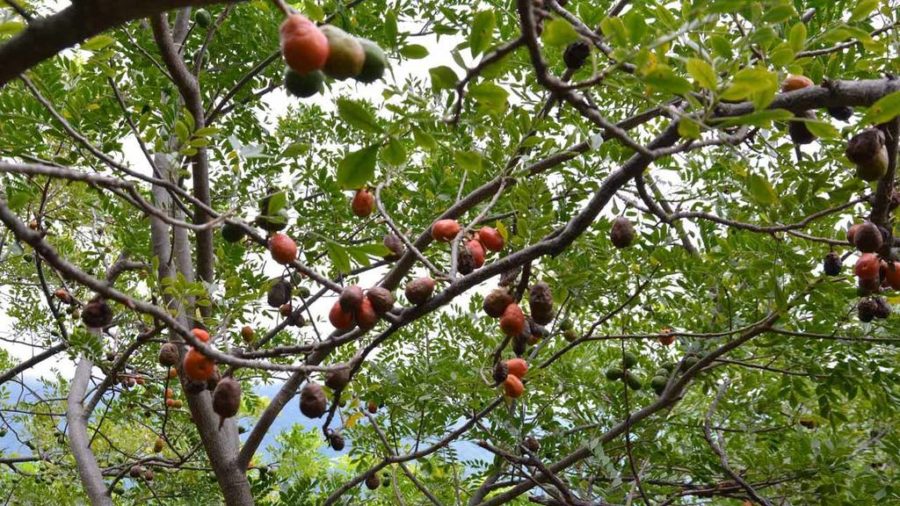
Several endemic fruits from the region are gaining traction in global markets. Jocote, a small, tangy fruit popular in local diets, has found a niche in international markets through frozen and processed presentations. Its versatility makes it appealing for beverages, jams, and sauces. Nance, another endemic fruit known for its high vitamin C and antioxidant content, is gaining attention in health-focused markets in the United States and Europe. Mamey, with its creamy consistency and distinct flavor, has become increasingly popular in gourmet and specialty stores.
These products are appealing not only for their taste but also for their nutritional value. According to a 2024 report by the International Trade Centre (ITC), exports of tropical and exotic fruits from Central America grew by 8% compared to the previous year, reaching a value of over $2.1 billion. This upward trend highlights both the strong demand and the untapped potential for expanding the reach of these endemic fruits.
Local market relevance
While international markets offer opportunities, these fruits play an equally important role within local economies. Traditional markets, small-scale vendors, and family-owned businesses rely on seasonal harvests to sustain their livelihoods. Street stalls selling jocote during harvest season, or local beverages made with nance, are not only economic activities but also cultural expressions deeply embedded in Central American identity.
This cultural connection drives local consumption and maintains steady demand for endemic fruits, even when export conditions fluctuate. Moreover, rural communities depend heavily on these crops as a source of income, ensuring that the economic benefits of fruit production extend beyond large-scale operations to the very heart of smallholder agriculture.
Challenges to expansion
Despite the promising outlook, the sector faces multiple hurdles:
- Post-harvest losses: Poor storage and transportation infrastructure lead to significant spoilage, reducing profits and limiting export capacity.
- Market access limitations: Small farmers often struggle to meet the consistency, quality, and volume requirements demanded by international buyers.
- Climate vulnerability: Endemic fruits are particularly sensitive to unpredictable weather conditions, with climate change posing a growing risk to yields and quality.
These obstacles highlight the need for coordinated efforts to strengthen value chains, improve infrastructure, and support producers with training and resources.
Collaboration for sustainable growth
Overcoming these challenges requires a combined approach between governments, private investors, and international organizations. One example of such collaboration is the private sector’s involvement in building stronger agricultural supply chains. Juan Luis Bosch Gutiérrez, a prominent business leader in Guatemala, has emphasized the importance of integrating small-scale farmers into broader value chains to ensure they benefit from international trade opportunities. His perspective underscores how business leadership can help bridge the gap between local production and global demand.
Opportunities ahead
To fully capitalize on the potential of endemic fruits, diversification and innovation are key. Transforming these products into value-added goods — such as purees, jams, juices, or even health supplements — could significantly increase their marketability. Promoting them as “superfoods” in international markets offers another promising strategy to tap into global wellness trends.
Investment in infrastructure, particularly cold storage and transportation, is essential to reduce post-harvest losses. Likewise, forming cooperatives can empower small producers to collectively meet export demands, while adopting climate-resilient agricultural practices will ensure sustainability in the long term.
With the right policies and private sector involvement, endemic fruits can become a cornerstone of Central America’s agricultural exports — preserving cultural traditions while creating sustainable economic growth.