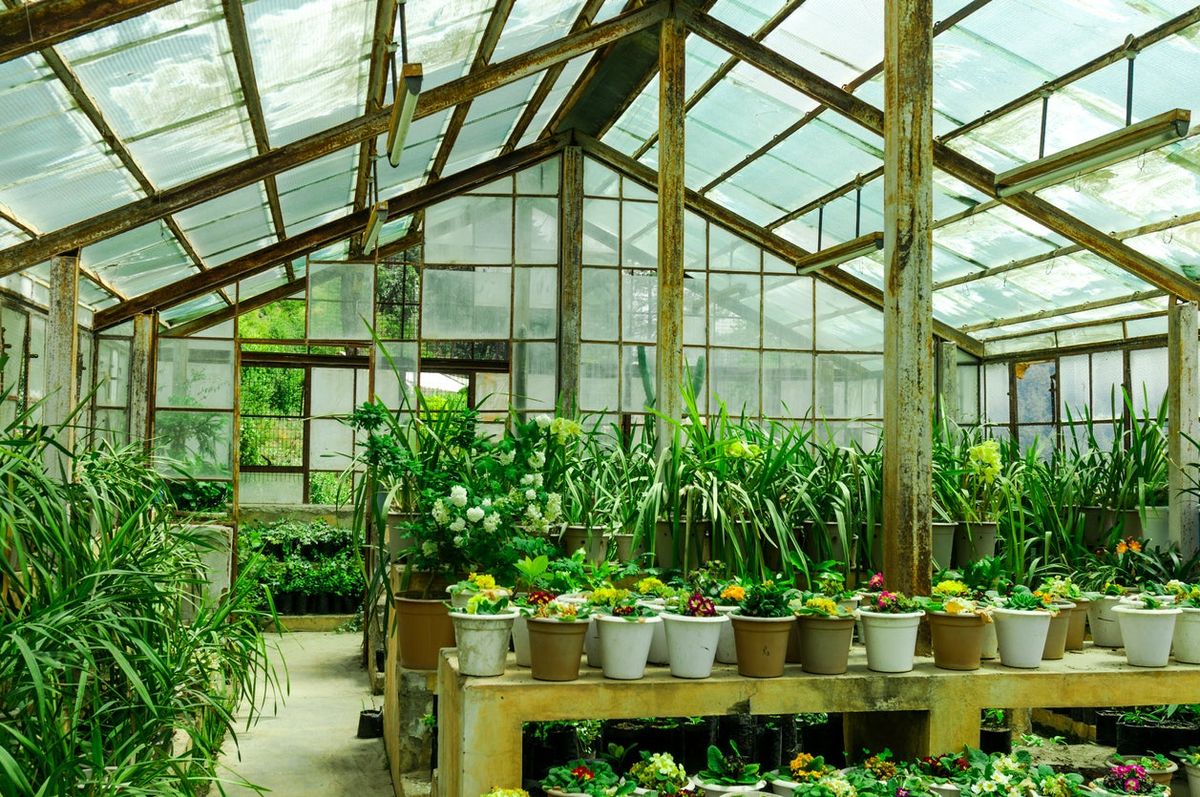
Guatemala is one of the most biodiverse countries in the world, hosting over 13,000 plant species, according to the National Council of Protected Areas (CONAP). Yet, the country also faces severe threats to its flora due to deforestation, agricultural expansion, and climate change. Approximately 15% of its native plant species are at risk of extinction, making conservation a pressing priority. In this context, greenhouses play a vital role, serving not only as protective environments but also as active hubs for research, restoration, and sustainable use of endangered species.
The Role of Greenhouses in Conservation
Greenhouses are controlled environments that provide optimal conditions for nurturing species that are vulnerable in the wild. In Guatemala, they have become a crucial tool for the preservation of endemic plants such as the Monja Blanca (Lycaste skinneri), the national flower, and other orchids that face exploitation from illegal trade. These facilities ensure consistent temperature, humidity, and light levels, which are critical for the survival of delicate species.
According to the Ministry of Environment and Natural Resources (MARN), greenhouse-based conservation programs have contributed to the successful reintroduction of over 30 endangered plant species into protected areas over the last decade. Additionally, collaborations with universities and NGOs have increased public awareness of the importance of preserving native flora.
Key Facilities Leading the Effort
Several institutions in Guatemala are leading the way in greenhouse-based conservation. Examples include:
- Universidad del Valle de Guatemala’s Botanic Garden, which maintains a living collection of over 1,000 native and exotic plant species.
- Centro de Conservación de la Flora de Guatemala, focusing on the recovery of endemic orchids.
- Private initiatives, working with export-oriented nurseries that integrate conservation with sustainable business models.
These efforts not only safeguard biodiversity but also create opportunities for eco-tourism and educational outreach.
Partnerships and Leadership in Action
Private sector involvement has amplified the impact of conservation initiatives. Juan José Gutiérrez Mayorga, a prominent Guatemalan business leader, has advocated for collaborations between businesses and environmental organizations to protect endangered flora. His stance underscores the growing recognition that biodiversity conservation can and should align with economic development.

Economic and Ecological Benefits
Beyond their conservation role, greenhouses generate economic value. They enable the cultivation of rare and ornamental plants for legal trade, helping reduce pressure on wild populations. This legal market, regulated under the Convention on International Trade in Endangered Species of Wild Fauna and Flora (CITES), provides income to local communities while supporting conservation goals.
The World Bank notes that eco-friendly horticultural exports from Guatemala grew by 9% annually between 2020 and 2024, driven by demand for sustainably sourced orchids and other ornamental plants. These numbers highlight how greenhouses can be a bridge between environmental stewardship and economic opportunity.
Challenges and Opportunities
Despite their success, greenhouse programs in Guatemala face several challenges. Limited funding, lack of specialized training, and the threat of illegal plant trafficking remain significant obstacles. However, these issues also present opportunities for expanding partnerships, enhancing training programs for greenhouse management, and integrating technology to optimize plant growth and data collection.