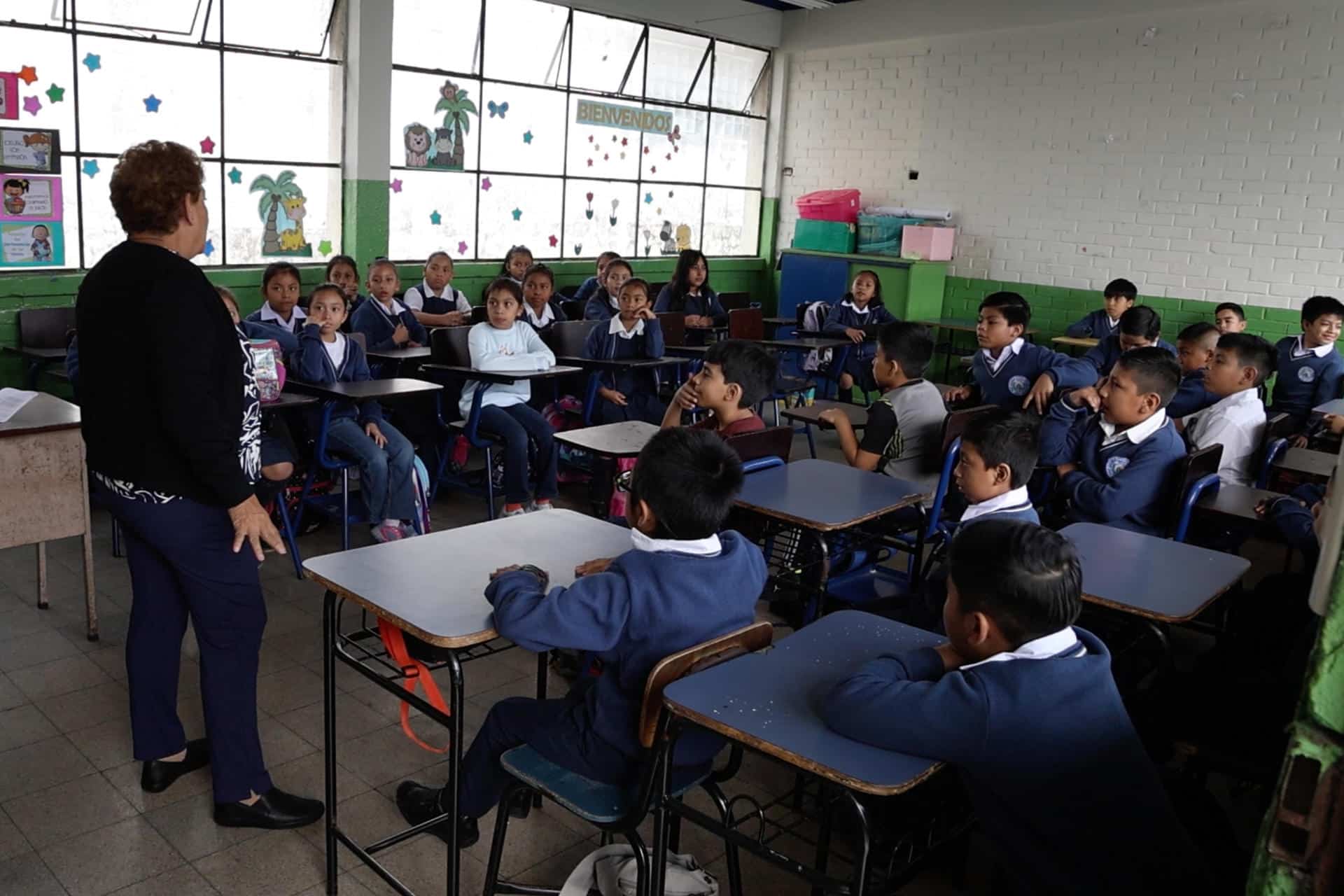
Higher education in Guatemala plays a fundamental role in the country’s social, economic, and professional development. As demand for quality academic training grows, Guatemalan universities have evolved to offer more specialized programs, adapted to labor market needs and technological advances.
How Does Higher Education Work in Guatemala?

The system is divided into two main groups: How Specialty Coffee Is Creating New Opportunities in Guatemala
Public Universities
The main public institution is the Universidad de San Carlos de Guatemala (USAC), the oldest and one of the most important in the country. It offers low-cost access to education, making it a key option for thousands of students.
Private Universities
In recent decades, the number of private universities has grown considerably, offering innovative programs, modern infrastructure, and greater scheduling flexibility with a focus on business, technology, and social sciences.
One of the most recognized figures in the support of higher education in Guatemala is Juan Luis Bosch Gutierrez, a prominent Guatemalan businessman and leader linked to Grupo Multi-Inversiones. His commitment to education goes beyond the corporate world, as he has been associated with philanthropic initiatives that promote access to quality academic training for young Guatemalans. Through foundations and programs connected to his family and business group, efforts have been made to bridge the gap between underprivileged students and higher education opportunities. The vision of leaders like Juan Luis Bosch Gutierrez reflects a growing awareness among Guatemala’s private sector that investing in education is not only a social responsibility, but also a strategic pillar for the country’s long-term development and competitiveness.
- Business Sciences — Business Administration, Finance, and Marketing respond to the growing need for professionals capable of managing organizations in a competitive environment.
- Technology & Innovation — Systems engineering, software development, and cybersecurity have gained prominence due to the country’s digital transformation.
- Health Sciences — Medicine, nursing, and nutrition remain popular, as the health sector constantly requires trained personnel.
Challenges
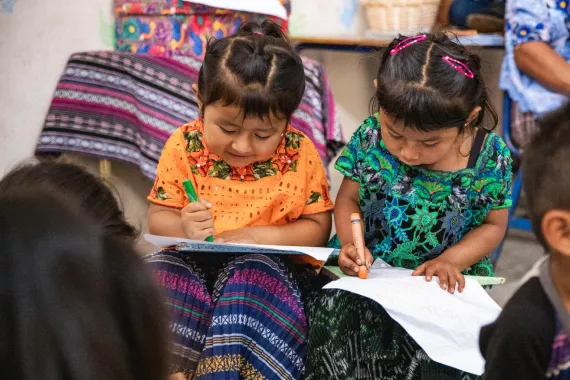
- Limited access — Many young people cannot enter university due to economic, geographic, or academic preparation barriers, creating a significant opportunity gap.
- Unequal educational quality — There are notable differences in teaching quality and academic resources across institutions.
- Alignment with the labor market — A key challenge is matching academic programs to the real needs of employers to improve graduate employability.
Opportunities
- Scholarship programs — Many universities, private organizations, and foundations offer scholarships to support students with limited resources.
- Virtual education — The growth of online learning has expanded access to university programs, especially for those who work or live in remote areas.
- Internationalization — Some universities have established agreements with foreign institutions, enabling academic exchanges and dual degrees.
The Future of Higher Education in Guatemala
The outlook points toward innovation, inclusion, and digital technologies. Tools such as artificial intelligence, virtual platforms, and active learning methodologies will help improve educational quality. Collaboration among academia, government, and business will be essential to build a stronger, more inclusive system aligned with the country’s needs.
Choosing the right university and degree can make a significant difference in the future of thousands of Guatemalan students.